
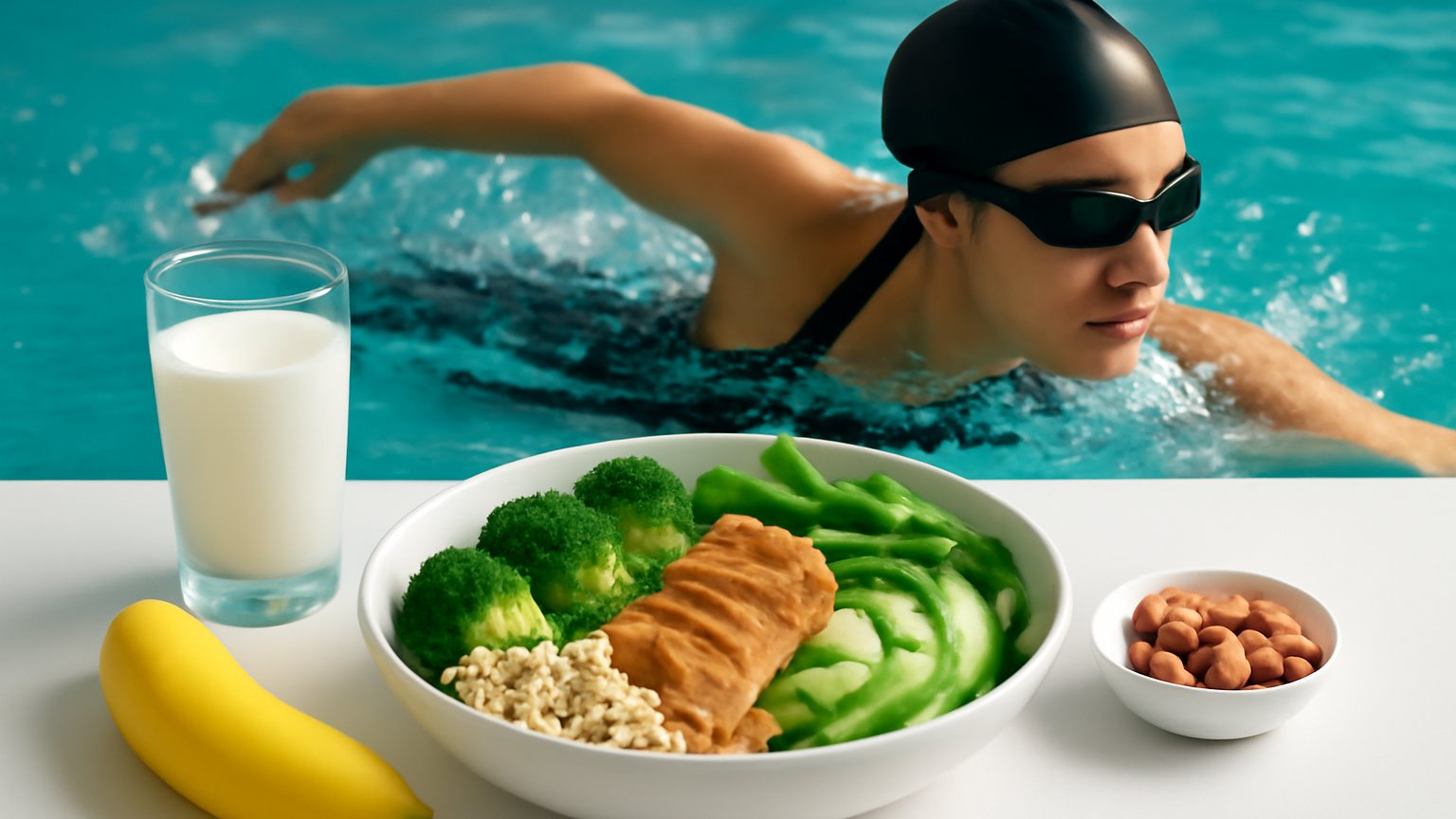
Imagine slicing through the water with effortless grace, every stroke fueled by precision nutrition—it’s not just a dream for elite swimmers but an achievable reality with the right dietary choices. Swimming isn’t merely about technique and training; what happens on the plate directly impacts endurance, recovery, and overall performance. Yet, many swimmers overlook how their nutrition—beyond calories—can be a game changer. What should a swimmer eat to keep energy levels roaring during those grueling laps? How can diet elevate not only stamina but also mood and muscle resilience? Navigating these questions leads us to the core of swim-specific fuel strategies that combine science with style.
From breaking down which macros truly matter to cleverly timed snacks that sync with training rhythms, this article covers it all. We also peek into hydration habits that go beyond gulping water and explore meal planning that’s as functional as it is fashionable. For those hungry to learn more, the best nutrition tips for swimmers in 2026 offer insights grounded in evolving athlete needs. Whether you’re a weekend warrior or eyeing the podium, understanding how to feed your body right is the first stroke toward peak performance—get ready to transform your swim days, one bite at a time.
Beyond the Pool: How Your Diet Shapes Swimming Success
Swimming is as much about what happens outside the water as it is about the laps inside the pool. Athletes often obsess over stroke techniques and training schedules, yet overlook a powerful ally in their performance arsenal: nutrition. What swimmers consume daily can dictate energy levels, recovery times, and ultimately, their ability to glide through water with grace and speed. The connection between diet and swimming success isn’t just about eating more or less; it’s about eating smarter.
Diet influences not only stamina but also muscle repair and mental focus—two pillars of competitive swimming. Without a tailored eating plan, a swimmer might find their performance plateauing or even slipping, no matter how many hours are clocked in the pool. From carbohydrates fueling those grueling intervals to proteins that rebuild tired muscles, food choices become as strategic as training drills. Understanding how food serves as fuel allows swimmers to harness their body’s full potential, transforming every meal into an opportunity for improvement.
- ☐ Prioritize complex carbohydrates like whole grains to sustain energy
- ☐ Include lean proteins such as chicken and fish to aid muscle recovery
- ☐ Stay hydrated with water and electrolyte-rich drinks throughout the day
- ☐ Incorporate healthy fats from nuts and avocados for brain and joint support
For the fashion-forward swimmer, this means fueling the body not just for strength but for longevity in the sport. After all, the best swimwear and gear won’t compensate for a sluggish body running on poor nutrition. The journey to peak performance starts on the plate—one thoughtful bite at a time.
Breaking Down Macros: What Swimmers Really Need on Their Plates
When it comes to fueling their bodies, swimmers can’t just grab any snack off the shelf. Macronutrients—or macros for short—are the body’s fundamental building blocks: carbohydrates, proteins, and fats. Each plays a distinct role in performance, recovery, and overall energy management, making them essential for anyone looking to make waves in the pool. Carbohydrates are the go-to fuel, offering quick energy for those grueling laps, while proteins act as the repair crew, rebuilding muscles after intense training sessions. Fats, often misunderstood, provide a steady energy release, especially during longer swims or endurance-focused practices.
The balance of these macros varies depending on the swimmer’s training phase. For instance, during tapering periods or lighter training days, protein needs slightly increase to support recovery, whereas carbohydrates dominate in the heavy training phases to keep energy stores topped off. It’s a delicate equation where quality also matters: whole grains, lean proteins, and healthy fats from nuts or avocados aren’t just trendy on Instagram—they’re scientifically proven to enhance endurance and reduce inflammation. For swimmers looking to sharpen their edge both in and out of the pool, adopting the right macro balance is a stylish step toward peak performance, intertwining nutrition with athletic grace.
Snack Like a Pro: Timing Your Fuel for Maximum Splash
Snacking smart is an art form for swimmers aiming to keep their energy levels in check and their style game strong. Timing is everything—choose snacks that provide a steady release of fuel rather than a quick spike and crash. Think of your body as a runway model: it performs best when it’s well-prepped and confident, not jittery or sluggish. Mid-afternoon snacks like a handful of almonds or a banana paired with a smear of almond butter can offer a chic combo of protein and slow-burning carbs. This approach doesn’t just support performance; it also aligns with the subtle power of intentional eating choices—a trend that’s reshaping not only health but also our relationship with food in fashion circles.
Choosing snack options that combine carbohydrates and protein is more than just a practical move—it’s a style statement toward balanced, conscious living. Think Greek yogurt with a sprinkle of granola or a small smoothie bowl topped with chia seeds and fresh berries. These choices don’t just fuel muscle recovery and endurance; they reflect a cultural shift toward more mindful eating habits—the very kind that lines up with the best nutrition tips for swimmers. Plus, the visual appeal of these snacks makes for perfect Instagram moments, merging wellness with aesthetic sensibility. Ultimately, when swimmers snack like pros, they’re not just nourishing their bodies—they’re crafting their own narrative of peak performance and polished presentation.
Hydration Hacks for Swimmers: More Than Just Water
Hydration for swimmers goes well beyond chugging plain water. While staying hydrated is essential, especially when clocking hours in the pool, the type of fluids consumed can dramatically influence performance and recovery. Swimmers lose not only water through sweat but also vital electrolytes such as sodium, potassium, and magnesium, which need replenishing to maintain muscle function and prevent cramping. Sports drinks can be a smart addition—but only when chosen wisely, as many are loaded with sugar and artificial additives that do little good for the body.
When considering hydration, salty snacks or electrolyte-rich foods sometimes become overlooked allies in keeping the balance right. It’s a subtle art: empty calories won’t cut it, and neither will plain water after intense training sessions. For those looking to hit the sweet spot, incorporating coconut water, herbal teas, or even homemade electrolyte mixes can provide a natural boost. For an insightful perspective on hydration strategies and their role within a broader diet tailored to athletic needs, the best nutrition tips for swimmers offer a well-rounded approach that’s worth exploring.
Interestingly, hydration also plays a subtle but significant role in a swimmer’s style—yes, even their fashion choices can reflect it. Breathable, moisture-wicking swimwear and post-swim clothing help in managing body temperature and sweat evaporation, aiding hydration maintenance indirectly. Ultimately, a swimmer’s fuel isn’t just what they eat but what they sip—and when done thoughtfully, it powers peak performance from pool to podium.
Fashioning Your Meal Plan: Stylish, Simple, and Swim-Ready Nutrition Tips
Creating a meal plan that not only fuels but also flatters the busy swimmer’s lifestyle is an art in itself. Think of your daily eats as a wardrobe: you want variety, versatility, and that signature touch of flair. Start with lean proteins—chicken, fish, plant-based options—that sculpt lean muscle without weighing you down. Layer in complex carbohydrates like quinoa, sweet potatoes, or brown rice for slow-release energy that lasts through every lap and sprint. Don’t forget colorful veggies that add vibrance to your plate and your performance. For example, incorporating nutrient-packed ingredients that support eye health can be a game changer—after all, the pool’s bright glare demands sharp vision, something you can explore further with these bright eyes superfoods recommendations.
Hydration might not be the trendiest accessory in your swim gear, but it’s essential—infused waters with herbs or citrus slices add a stylish twist to plain hydration. Snacks matter too: opt for nuts, seeds, or a smoothie boost to maintain energy without heaviness. Remember, styling your nutrition plan is just like putting together an outfit ready for prime time—consider texture, color, and function. A well-curated meal plan is your secret weapon, combining practicality and panache so you arrive at every pool session feeling sharp, energized, and confident.
Fueling Style and Strength in the Swim Lane
Swimming is as much about what happens out of the water as inside it. Every meal, snack, and sip can add up to a tangible edge—whether it’s the right balance of macros or the timing that keeps energy flowing. But beyond nutrition basics, there’s an art to crafting a diet that complements a swimmer’s lifestyle and even their sense of style—turning eating into a seamless part of their performance routine. Hydration strategies underscore that—it’s rarely just about water but adding electrolytes at the right moments to maintain stamina and recovery. And that fashionable meal plan? It’s about simplicity without sacrificing function, making optimal nutrition approachable, not overwhelming. For anyone serious about swimming, understanding these layers means more than just refueling; it’s about fueling smart. So, as swimmers lace up their goggles and adjust their caps, the next challenge isn’t just in the pool but on their plates. How will they rewrite their relationship with food to make every stroke count? If you’re ready to make a splash, start with the best nutrition tips for swimmers—and watch performance, and style, rise together.
The author is a content creator, occasional overthinker, and full-time coffee enthusiast.
