
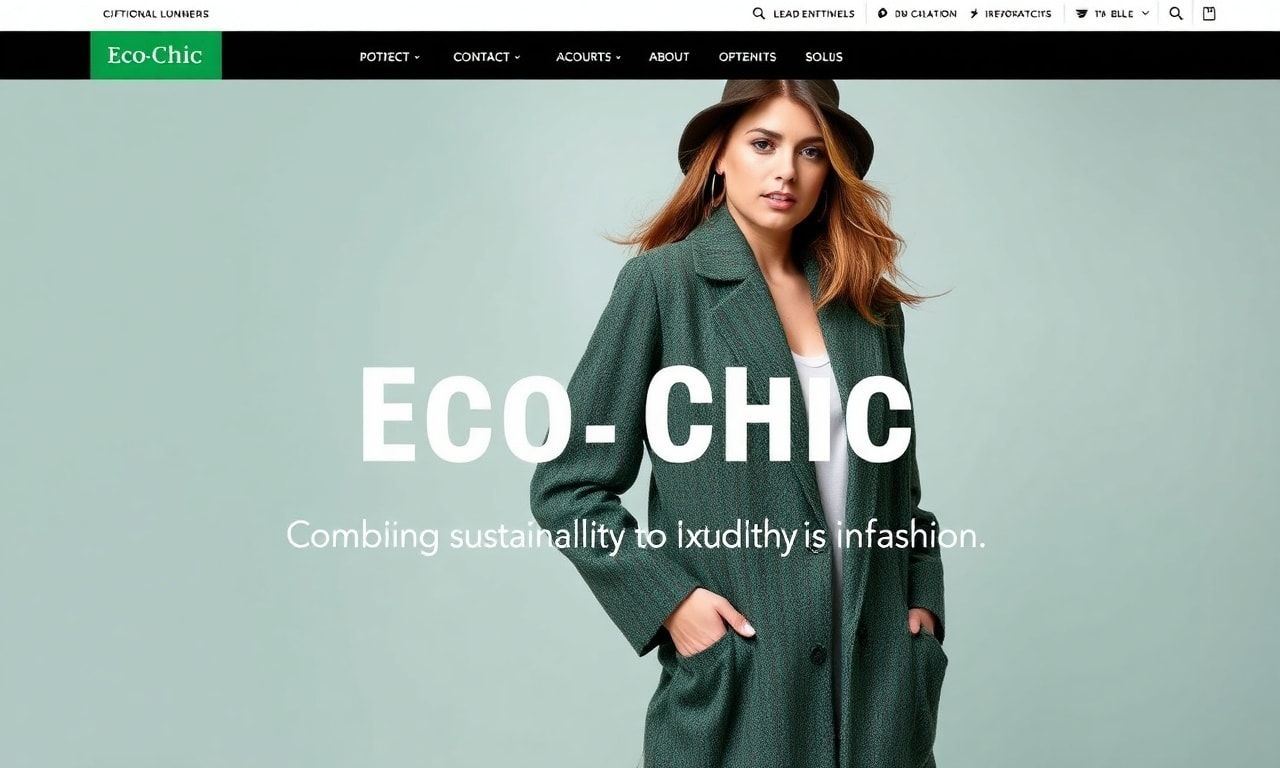
The Rise of Sustainable Fashion
The fashion industry is undergoing a significant transformation, with sustainability taking center stage. Consumers are becoming more conscious of their environmental impact, and this shift is reflected in their purchasing decisions. Sustainable fashion, often referred to as eco-fashion, is not just a trend but a movement that aims to reduce the environmental footprint of the fashion industry. This movement encompasses everything from the materials used to the production processes and even the packaging.
Why Sustainability Matters in Fashion
The fashion industry is one of the largest polluters in the world, contributing to water pollution, soil degradation, and significant carbon emissions. By adopting sustainable practices, the industry can mitigate these impacts. Sustainable fashion involves using eco-friendly materials, reducing waste, and ensuring fair labor practices. It’s about creating a balance between style and environmental responsibility. This shift is not only beneficial for the planet but also for the consumers who are increasingly seeking products that align with their values.
Eco-Friendly Materials
One of the key aspects of sustainable fashion is the use of eco-friendly materials. These materials are derived from renewable resources and have a lower environmental impact. Examples include organic cotton, hemp, bamboo, and recycled fabrics. Organic cotton, for instance, is grown without the use of harmful pesticides and fertilizers, making it a healthier choice for both the environment and the consumers. Hemp is another sustainable option that requires minimal water and grows quickly, making it an excellent choice for eco-conscious fashion enthusiasts.
Innovative Production Techniques
Innovative production techniques are also playing a crucial role in the sustainable fashion movement. Techniques such as waterless dyeing, zero-waste pattern cutting, and upcycling are gaining popularity. Waterless dyeing, for example, significantly reduces water usage and pollution. Zero-waste pattern cutting ensures that fabric waste is minimized, and upcycling involves transforming old or unused materials into new, stylish pieces. These techniques not only reduce the environmental impact but also add a unique, creative touch to the final products.
Styling with Sustainability
Sustainable fashion is not about compromising on style. In fact, it’s about embracing a new way of thinking that combines aesthetics with environmental responsibility. There are numerous ways to incorporate sustainability into your style. One approach is to invest in high-quality, timeless pieces that will last for years. Another is to explore second-hand and vintage stores for unique, pre-loved items. Additionally, supporting brands that prioritize sustainability can make a significant difference. These brands often use eco-friendly materials and ethical production practices, ensuring that your fashion choices are both stylish and responsible.
Home Improvement Ideas for Green Lighting
Incorporating sustainability into your lifestyle extends beyond fashion. For instance, considering home improvement ideas for green lighting can complement your eco-chic wardrobe. Energy-efficient lighting not only reduces your carbon footprint but also creates a serene and inviting atmosphere in your home. This holistic approach to sustainability ensures that your lifestyle aligns with your values, both in and out of the closet.
The Future of Sustainable Fashion
The future of sustainable fashion looks promising. As consumer demand for eco-friendly products continues to grow, more brands are adopting sustainable practices. Innovations in technology and materials are also driving the movement forward. From biodegradable fabrics to 3D-knitting techniques that reduce waste, the possibilities are endless. The fashion industry is on the cusp of a green revolution, and the choices we make today will shape the future of fashion.
Conclusion
Sustainable fashion is more than just a trend; it’s a necessary shift towards a more responsible and eco-conscious industry. By embracing eco-friendly materials, innovative production techniques, and a holistic approach to sustainability, we can create a fashion landscape that is both stylish and environmentally responsible. Whether you’re exploring home improvement ideas for green lighting or updating your wardrobe with sustainable pieces, every choice counts. Together, we can pave the way for a greener, more stylish future.
