
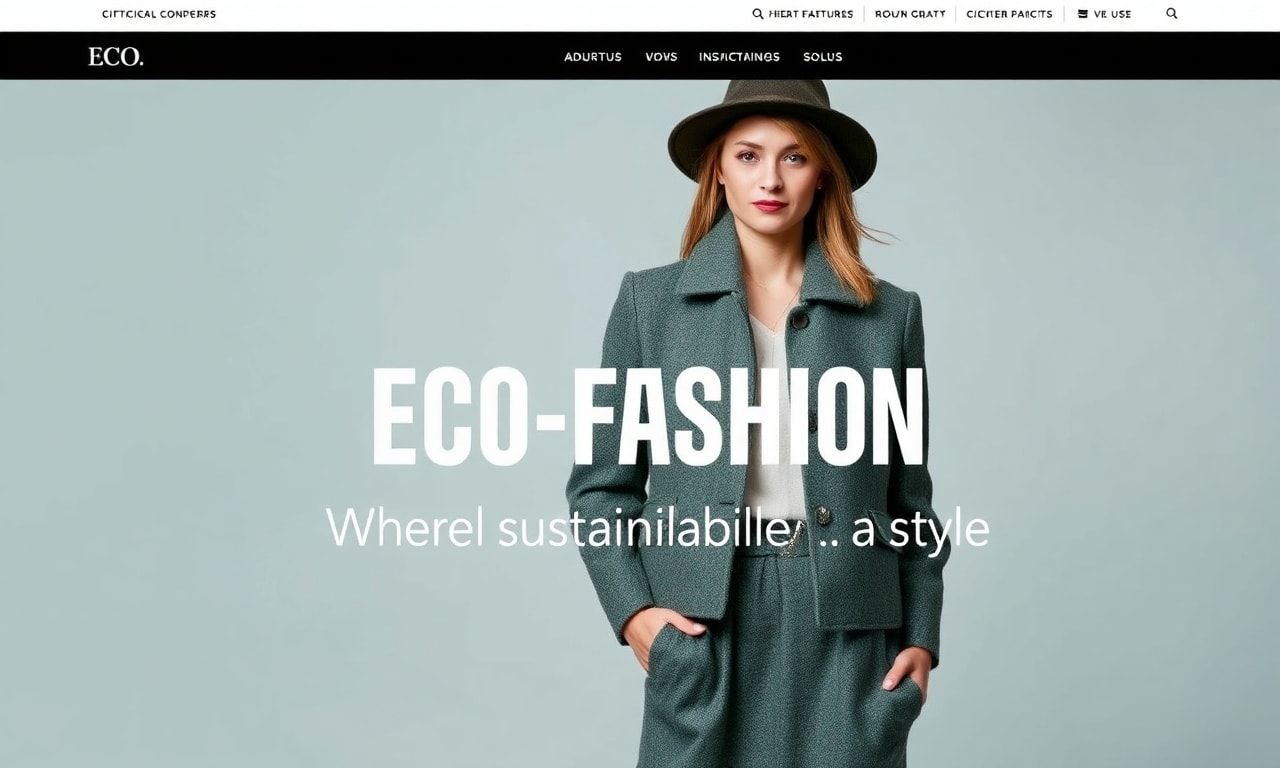
The Rise of Eco-Fashion
The fashion industry is undergoing a green revolution, and it’s not just about the color palette. Eco-fashion, or sustainable fashion, is taking center stage, proving that style and sustainability can go hand in hand. This movement is driven by a growing consciousness among consumers who demand not only trendy and high-quality products but also ethical and environmentally friendly practices.
Eco-fashion encompasses a wide range of practices, from using organic and recycled materials to implementing fair labor practices and reducing waste. It’s a holistic approach that considers the entire lifecycle of a garment, from the sourcing of raw materials to the end of its life. This shift is not just a trend; it’s a fundamental change in how we think about and consume fashion.
The Benefits of Sustainable Fashion
Embracing eco-fashion comes with a host of benefits. For the environment, it means reduced pollution, lower carbon emissions, and less waste. For consumers, it offers the opportunity to support ethical brands that prioritize fair wages and safe working conditions. Moreover, sustainable fashion often translates to higher quality and longer-lasting garments, which can save money in the long run.
From a design perspective, eco-fashion encourages creativity and innovation. Designers are constantly finding new ways to repurpose materials, create zero-waste patterns, and develop biodegradable fabrics. This not only pushes the boundaries of traditional fashion but also sets new standards for the industry.
Incorporating Sustainability into Your Wardrobe
Transitioning to a more sustainable wardrobe doesn’t have to be daunting. Start by assessing your current wardrobe and identifying pieces that are versatile and can be styled in multiple ways. Invest in high-quality, timeless pieces that will last for years, rather than fast-fashion items that quickly go out of style.
When shopping, look for brands that prioritize sustainability. Check for certifications such as Fair Trade, GOTS (Global Organic Textile Standard), and OEKO-TEX, which ensure that the products meet certain environmental and social standards. Additionally, consider second-hand shopping, which is not only eco-friendly but also budget-friendly.
Another way to embrace eco-fashion is by supporting local artisans and designers. This not only reduces the carbon footprint associated with shipping but also supports small businesses and traditional craftsmanship. For those interested in renewable energy solutions, exploring options like güneş paneli kurulumu için en iyi yöntemler can also align with a sustainable lifestyle, showcasing how different aspects of life can intersect with eco-conscious choices.
The Role of Technology in Sustainable Fashion
Technology plays a crucial role in advancing sustainable fashion. Innovations such as 3D printing, digital fabrication, and AI-driven design are revolutionizing the way garments are created. These technologies allow for more precise and efficient production, reducing waste and resource consumption.
Moreover, technology enables better traceability and transparency in the supply chain. Blockchain, for instance, can be used to track the origin of materials and ensure that they are sourced ethically. This transparency builds trust between consumers and brands, fostering a more accountable and sustainable industry.
The Future of Eco-Fashion
The future of eco-fashion looks promising, with more brands and consumers embracing sustainability. As awareness grows, so does the demand for ethical and eco-friendly products. This shift is driving innovation and pushing the industry towards a more sustainable future.
In conclusion, eco-fashion is more than just a trend; it’s a movement that is reshaping the fashion industry. By embracing sustainable practices, we can create a more ethical, environmentally friendly, and stylish world. Whether you’re a fashion enthusiast, a designer, or a consumer, there are numerous ways to contribute to this green revolution and make a positive impact.
