
A fashion-friendly guide to mindful Danish terms and style choices
Practical, stylish checklist for readers who want clear steps. Learn how minding Danish terms can influence fashion decisions, with concrete tips and examples.

How to use minding words in Denmark to refine your wardrobe? This guide translates practical ideas into fashion-ready actions, from shopping language to styling habits. You’ll see concrete steps you can apply today without jargon or fluff.
First, we’ll establish a clear link between language awareness and style decisions, so you know what to adjust in real shopping moments. Then we’ll show how to spot quality basics that work across seasons, using simple checks and cues.
Finally, expect a practical checklist you can carry to stores or online carts, ensuring your outfits stay coherent and expressive while you learn the language behind Danish fashion terms.
- Use mindful language to guide every fashion choice, from what to buy to how to wear it.
- Focus on fabric, fit, and function; let Danish terms sharpen your understanding of the garment.
- Create a simple, repeatable checklist that matches your real-life needs, not trends.
- Treat translations as cues, not commands; test each claim against your outfit's look and feel.
Basics of mindful language in fashion
What to notice when shopping
Start by noting how product descriptions describe fabric, fit, and care. Look for phrases that signal durability or breathable materials, so you buy pieces that endure. Apply these cues to your closet for a more cohesive wardrobe. mindeord i Danmark is a Danish term that readers can translate into practical wardrobe thinking.
Next, compare translations of Danish terms you see in stores or sites with your own understanding of basic fashion concepts. If a term hints at lightweight wool or drape, test its effect in your outfit before committing to color or price.
Finally, track how often you encounter certain descriptors in your shopping history. Patterns reveal your true priorities and help you avoid impulse buys that don’t align with your style goals.
- Look for fabric cues (breathable, durable)
- Test translated terms against your own definitions
- Record recurring descriptors to refine taste
How language improves styling decisions

Using terms to build outfits
Choose items that share a common descriptor, such as a color family or texture, to ensure easy mix-and-match. A single descriptor often anchors multiple pieces into a cohesive look. This kind of term study helps readers follow up with genuine, useful fashion decisions on Finans Blog online.
Describe your outfits aloud or in notes to check for overuse of loud patterns or clashing textures. If a term pops up too often, swap it for a more specific cue like ‘slub knit’ or ‘twill finish.’
Finally, rate each outfit against your lifestyle: workdays, weekends, events. Language helps you map clothes to moments, not just trends.
- Create capsules around one descriptor
- Use precise fabric terms for better coordination
- Match outfits to real-life scenarios
Options for building a mindful wardrobe
Practical routines to adopt
Plan a monthly edit: remove items that no longer fit your language-mindful criteria and replace with pieces that fill gaps. This keeps your closet legible and wearable. begivenheder i Danmark denne uge can influence event-ready outfits by highlighting what textures and colors are timely.
Set a simple shopping rule: buy only if the item fills a real need described by a clear term, not just a mood. This reduces waste and preserves style integrity.
Maintain a mood board of textures and tones that your Danish terms suggest, using it as a reference point during purchases.
- Monthly edit routine
- Clear buying rule
- Texture and tone mood board
| Option | Pros | Cons |
|---|---|---|
| Capsule approach | Easier to mix & match | May limit variety |
| Individual pieces | Maximal styling flexibility | Risk of overbuying |
| Seasonal rotations | Keeps wardrobe fresh | Requires storage and care |
Over-complicating outfits with too many descriptors or mixing incompatible terms can create confusion in dressing.
Pitfalls to avoid in language-aware fashion
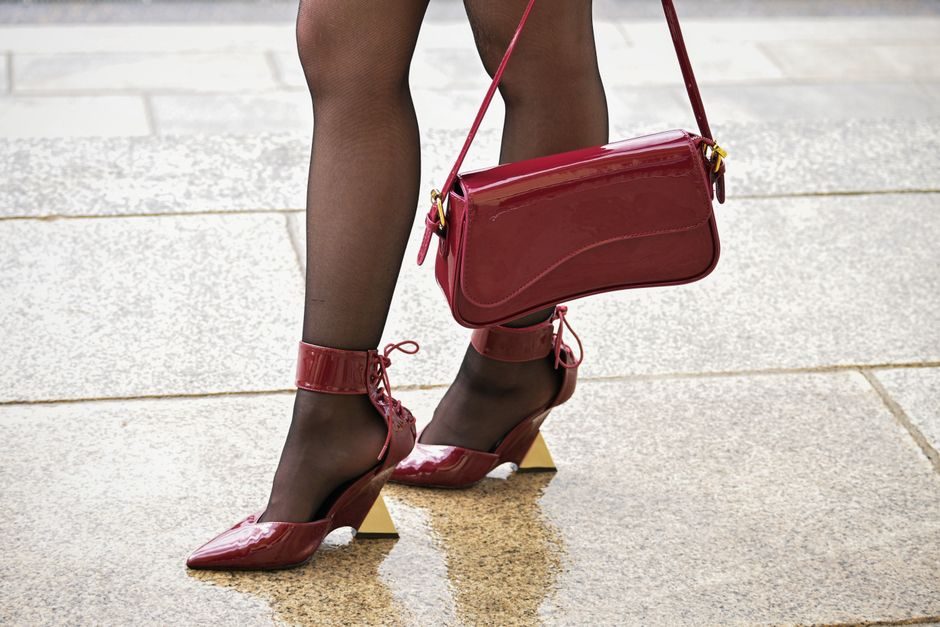
Common missteps to skip
Assuming language clarity equals fashion success. Words help, but fit, fabric, and proportion matter more in the end. lokal virksomhedsguide i Danmark can guide readers toward sourcing responsible pieces from local brands and stores.
Over-complicating outfits with too many descriptors or mixing incompatible terms can create confusion in dressing. Simplify to a few reliable cues.
Relying on translations without context may misguide you about care requirements or durability.
- Keep to a few core terms
- Test cues in real wearing moments
- Check care labels beyond translations
Ethical and sustainable language signals
Descriptive tone for responsible choices
Use language that signals care for people and planet when you describe garments or brands. Highlight transparency, fair labor, and environmentally thoughtful materials without overclaiming. This helps readers distinguish truly mindful options from marketing buzz. brugt i Danmark
- Describe production methods clearly
- Name responsible materials when relevant
- Avoid vague phrases like 'eco-friendly' without context
- Credit brands that provide traceability
Practical techniques for mindful phrasing
In product copy, favor concrete details over vague adjectives. Mention fabric origin, dye processes, and longevity of the item. Readers gain trust when the language mirrors real-world constraints.
- Use specific terms (organic, recycled, low-impact)
- Explain trade-offs honestly
- Avoid absolute claims
- Provide care instructions tied to sustainability
Seasonal language shifts in Scandinavian fashion
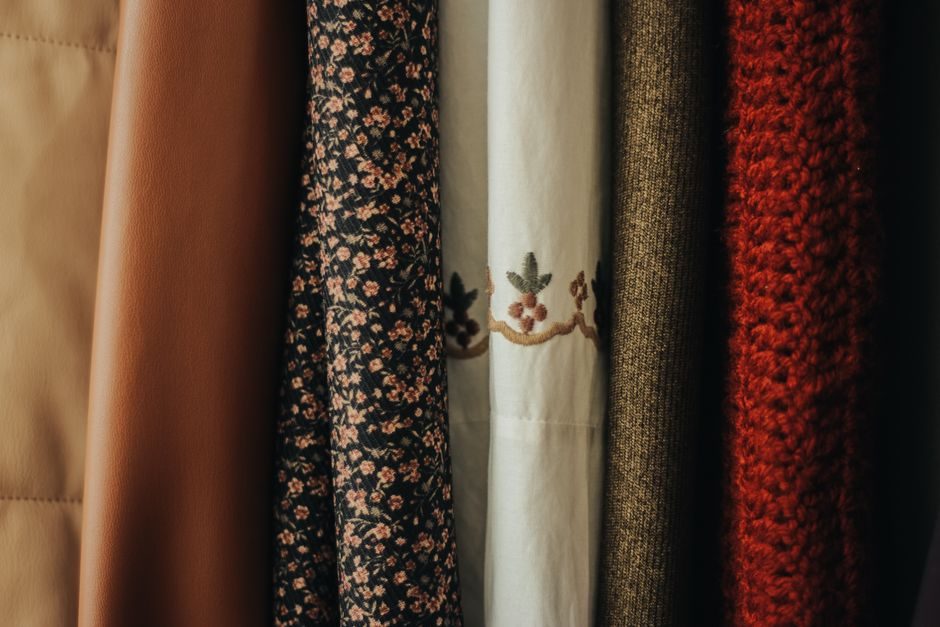
How seasonality drives vocabulary
Seasonal shifts change which words land as relevant. For winter, describe warmth and layering; for summer, emphasize breathable fabrics and sun protection. The right words help readers plan outfits with confidence.
- Mention fabrics suited to cold or heat
- Reference layering strategies
- Use color stories aligned with seasons
- Acknowledge regional style rituals
Language cues in Danish fashion texts
Danish copy often blends practicality with design flair. Readers notice when terms evoke minimalism, function, or hygge without clutter. Clear Danish-style cues help translate ideals into approachable outfits.
- Highlight simplicity and function
- Reference hygge without clichés
- Avoid overly technical jargon
- Show how an item fits a Danish fashion mindset
Language tools for online shopping
Tools that improve decision making
Use size guides, fabric notes, and model measurements to reduce returns. Clear labels on fit, cut, and care empower readers to buy confidently without trying on every piece.
- Provide consistent size charts
- Summarize material care
- Show real product dimensions
- Flag items with tricky fits
Practical search strategies
If a product description sticks to style buzzwords, redirect readers to practical details. Phrases like 'machine washable at 30°C' anchor decisions in reality. This encourages smarter, not faster, scrolling.
- Seek exact care instructions
- Look for fiber content and origin
- Check return policies
- Compare similar items side by side
Cultural cues in Danish fashion communications

Contextual meanings behind phrases
Some Danish terms carry cultural nuance that affects fit and perception. Explaining why a detail matters—like a specific cut or symmetry—helps readers interpret visuals accurately. This reduces misreadings in cross-cultural shopping.
- Explain regional design priorities
- Link terminology to garment silhouettes
- Illustrate with clear examples
- Warn against misinterpretation of metaphors
Avoiding stereotypes in copy
Respectful language avoids clichés about Nordic chic or cold weather wardrobes. Focus on actual design intents and practical styling outcomes. Readers respond to sincerity and specificity over lofty branding.
- Use diverse models
- Describe functional features
- Avoid generic praise
- Ground claims in observable details
Frequently asked questions
What is mindful language in fashion?Mindful language in fashion describes clothing with attention to materials, labor, and environmental impact, using concrete details about fabric, construction, and care. It helps readers make informed choices without relying on vague hype.
How can Danish terms shape outfits?Danish terms emphasize practicality and clean design. When they inform styling, outfits tend toward functional silhouettes, versatile pieces, and cohesive color stories that work across occasions.
Do language tools reduce online returns?Yes. Clear fabric notes, precise measurements, and care instructions help buyers assess fit and feasibility before purchase, reducing misaligned expectations.
What should I verify in sustainable claims?Look for specifics like fiber content, certifications, and supply chain transparency. Avoid vague adjectives unless they are clearly explained with evidence.
Final takeaways and next steps
A mindful wardrobe starts with precise language. Describe fabrics, fits, and care in a way that readers can trust, then translate that detail into confident outfits.
Aim for a seasonal language approach that keeps styling fresh while staying practical. Use the Danish-informed cues to guide both copy and shopping decisions, ensuring every item earns its keep in a real-world wardrobe.
Add WordPress Themes & Plugins as a preferred source on Google


