
From Runway to Ring Light: Esquelas de España in Fashion Planning
A practical guide for fashion readers: how esquelas de España can inform trends, events, and styling decisions without overreaching, with clear steps and cautio

When fashion meets culture, even a somber notice can inspire a look. This guide shows how esquelas de España can inform mood, palette, and event planning, not just obituary notices. You’ll learn practical steps to incorporate cultural cues into outfits, shoots, and editorial calendars, with clear do-this-now tips.
By comparing cultural cues with wardrobe choices, you’ll see how traditional motifs, colors, and timing influence your style calendar. The article stays practical, offering concrete actions you can take this season. Expect actionable habits rather than vague ideas, so your wardrobe and shoots stay fresh and respectful.
Readers deserve guidance that fits real life: fast decisions, strong aesthetics, and respect for cultural contexts. We’ll map sources, evaluate relevance, and translate culture into clothes and concepts. This approach keeps fashion grounded while opening room for creative interpretation.
- This guide shows how esquelas de España can influence fashion styling and editorial planning without being superficial.
- Follow practical steps to translate cultural cues into color, texture, and mood for shoots and outfits.
- Avoid missteps by respecting symbolism, testing ideas in advance, and prioritizing sustainability and audience fit.
Basics you can use today
Cultural cues in wardrobe
Start by noting colors, motifs, and silhouettes tied to Spanish cultural moments. Look for calm neutrals, warm ochres, and deep blues that echo traditional crafts. Translate these cues into a capsule that feels modern, not literal or costumey.
- Overt symbols clash with current trends
- Relying on pastels alone
- Ignoring fabric quality for impact
This sub-section focuses on translating meaning into wearable form, avoiding cliché patterns while honoring context.
Consider how a subtle filigree jacquard or a sunlit yellow can anchor a spring collection or editorial shoot.
A practical tip is to create a mood board with five texture notes and three color swatches that align with esquelas-inspired themes.
- Choose three color stories
- Incorporate modest embroidery
- Balance traditional motifs with modern tailoring
How to read the scene and act
Reading cultural timing
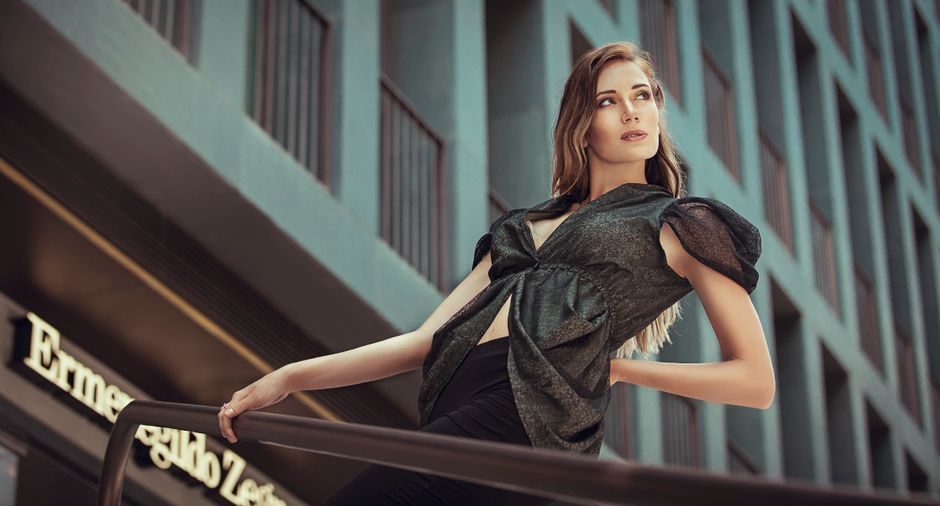
Understand when esquelas de España reflect seasonal rhythms or urban rituals. Acknowledge patron saint days or regional fairs that influence color and fabric choices. Let timing guide when you shoot, shop, or publish. For deeper context, consult España Reporte sitio web as you plan a shoot.
Apply timing to your fashion calendar so launches feel timely rather than generic.
Use light and location to echo ceremonial moments without parody.
Plan shoots around local events to give authenticity and depth to outfits and stories.
- Coordinate shoots with event dates
- Use natural light to mirror mood
- Avoid copying specific events from media
Options for editors and stylists
Practical styling options
Explore three paths: minimalist modern, culture-forward, and craft-inspired. Each path uses similar color and texture cues but differs in silhouette and detailing. This flexibility helps suit budget, audience, and brand voice. Use the agenda de eventos en España to time launches and features.
Choose one or blend aspects to fit a shoot’s mood, ensuring the result remains tasteful and contemporary.
Test outfits on one model first to gauge balance between homage and originality.
Use a small kit with neutral base pieces, one bold accessory, and two local craft-inspired textiles to transform looks quickly during fittings.
- Minimalist base + one motif
- Culture-forward mix of pattern and texture
- Craft accents for depth
| Option | Style Approach | Pros & Cons |
|---|---|---|
| Minimalist base | Clean lines with one motif | Pros: modern, easy to wear; Cons: less cultural depth |
| Culture-forward | Rich textures with multiple cues | Pros: strong narrative; Cons: risk of overdoing motifs |
| Craft-inspired | Local crafts & tailoring | Pros: unique; Cons: requires partners |
Stay aware of cultural appropriation concerns and resist trends that rely on stereotypes.
Warnings and pitfalls to avoid
Common missteps to watch
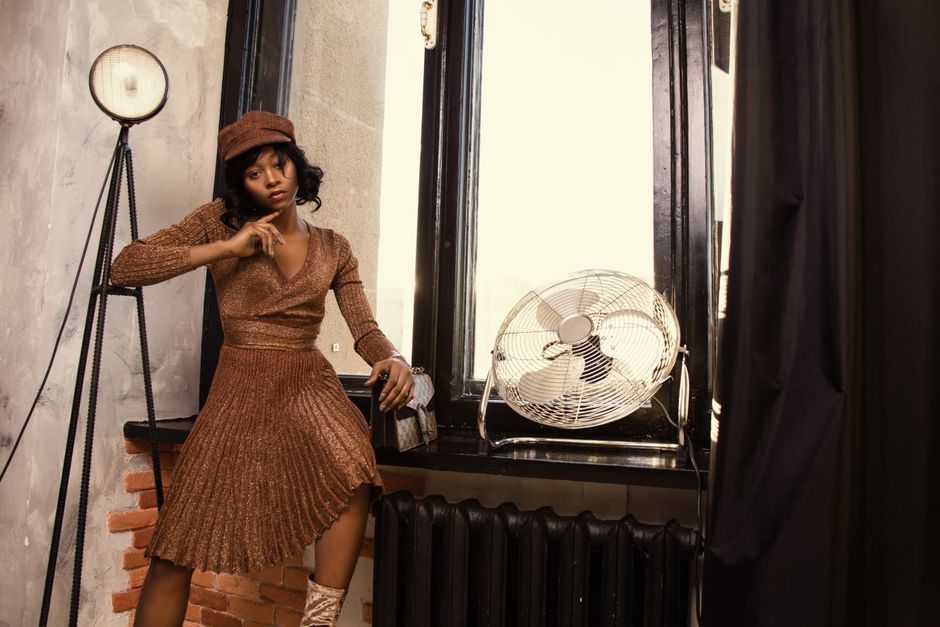
Avoid drawing on sacred or sensitive symbols in a playful way. Misjudging tone can offend audiences and derail a campaign. Keep references subtle and respectful, using context and consent from collaborators. A useful resource on this topic: directorio de negocios de España.
- Before finalizing, run a quick peer review to catch tone mismatches.
- Document sources of inspiration for transparency.
Stay aware of cultural appropriation concerns and resist trends that rely on stereotypes. Clear communication with designers and models helps maintain integrity.
Test the look in different lights and settings to ensure colors read correctly on camera and in print.
Create a quick checklist for every look: cultural respect, color balance, and audience fit.
- Don't over-sell cultural cues
- Check licensing or permissions for textures
- Preview in multiple lighting conditions
Creative directions to chase
Mood building for shoots
Start with a clear mood board that aligns with the collection and the magazine's voice. Translate that mood into lighting choices, fabric textures, and prop selections that readers can actually recreate. Use street style cues to ground high fashion in real life, then adjust for the season’s color story as you shoot. anuncios clasificados en España
The practical step is to plan a winning shotlist that prioritizes variety: close-ups of fabric details, full-body looks, and candid moments that feel spontaneous. This keeps the feature dynamic and easy for editors to assemble into spreads. Consider a backup location that can be dressed quickly if the primary plan falls through.
A good editor’s note: test 2-3 lighting setups beforehand and document the results. This helps you pick the most publishable look without wasting time on set. Keep a record of props and tones to speed up the production schedule in future shoots.
- Define a dominant color story
- Capture texture and silhouette
- Plan for multi-angle coverage
- Prepare quick-change options
- Test lighting before shoot
Brand storytelling through culture

Narrative through heritage
Heritage can inform a collection’s backstory without overexplaining it. Tie a key element to a cultural motif, then show how modern styling updates the idea for today’s audience. Readers respond when the story feels tangible, not abstract.
Translate heritage into wearable details like embroidery, print motifs, or silhouette cues that readers can spot in stores or on social. Use sidebars with quick history notes and practical tips for reproducing looks at home. The goal is to make culture feel accessible, not exoticized.
Keep sourcing transparent in captions and credits—mention where a textile originates and how it was produced when possible. Authenticity matters, and it safeguards against clichéd storytelling.
- Highlight two origin stories
- Pair heritage with current trends
- Offer practical styling tips
- Credit sources clearly
- Avoid stereotypes
Fashion week relevance
Translating runways to retail
Take a runway moment and translate it into real-world wearability. Break down the look into actionable elements: what to borrow, adjust, or skip for everyday wardrobes. The aim is to preserve the spirit without demanding an exact replica.
Showcase how to adapt bold silhouettes into wearable silhouettes for different body types and occasions. Include a quick edit of affordable alternatives or remix ideas that readers can actually shop now. Present the ideas as editors’ picks for the week.
Consider timing: present seasonally appropriate edits that readers can buy now, while still nodding to the next show. Clear calls-to-action and practical styling notes help readers move from runway awe to real-world use.
- Identify three wearable takeaways
- Offer season-appropriate substitutions
- Provide budget-friendly alternatives
- Include quick shopping notes
- Explain fit adjustments
Shopable moments and edits
Curated edits for readers
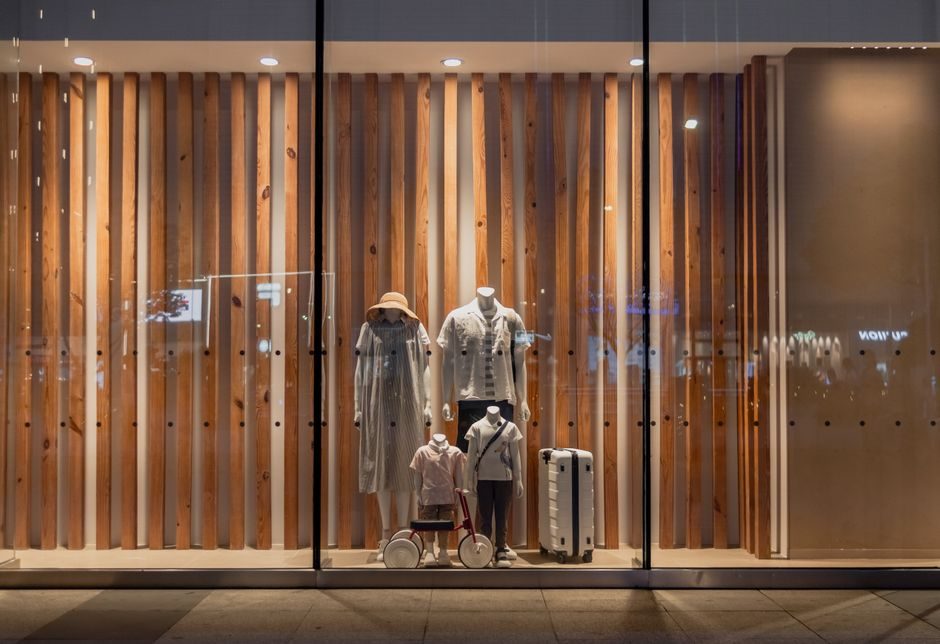
Create compact edits that readers can replicate with a few key pieces. Each edit should feel intentional, not a random collection of items. Use a signature color or a single motif to anchor the look.
- ☐ Choose a signature element for the edit.
- ☐ List three compatible pieces.
- ☐ Add one accessory to complete each look.
- ☐ Note care instructions for fabrics.
Give readers a shopping map: where to find the pieces, what price range to expect, and how to mix new arrivals with staple items. The goal is to simplify decisions without limiting creativity.
Keep edits fresh by rotating one or two elements per issue, ensuring the set remains wearable across multiple occasions. Include a practical care note to extend the life of delicate fabrics.
- Create 3-5 complete edits
- Include shopping notes
- Mix high/low items
- Add care and longevity tips
- Refresh with new colors each issue
Frequently asked questions
What is the esquelas de España angle in fashion features?It’s a cultural lens that informs color stories, textiles, and silhouettes readers can shop or borrow. The goal is to make culture feel relevant to everyday style, not a distant reference.
How should culture and trend reporting balance?Culture should guide mood and texture choices, while trends provide practical anchors for seasonally appropriate edits. Tie cultural cues to visible wardrobe outcomes readers can emulate.
What about sourcing and accuracy?Verify sources and translate them into visual decisions with clear captions. Readers trust storytelling that shows care and responsibility in sourcing.
How can success be measured for these features?Track reader engagement with shopping notes and the number of saves or purchases influenced by the feature. Use this feedback to refine future shoots.
Conclusion
Take the esquelas de España angle seriously as a way to anchor fashion storytelling in real-world relevance. Ground color decisions, textures, and silhouettes in culture that readers can recognize and wear.
Use a practical plan: a four-page spread idea, a simple calendar, and a shopping map readers can follow. Keep the framework reusable so you can apply it to future stories while preserving a fresh voice.
Add WordPress Themes & Plugins as a preferred source on Google


