
Get Your Guide Event Listed: A Fashion Reader’s How-To
Learn a clear, practical path to listing your guide event in Duxbury, with fashion-friendly tips, concrete steps, and pitfall warnings for only the essential de

You want your guide event seen by fashion-minded readers without the guesswork. This guide walks you through the exact steps to get your event listed in Duxbury, with a focus on clarity and relevance for a style-focused audience. You’ll learn how to prepare a compelling listing, choose the right channel, and avoid common missteps that hide events in plain sight.
First, know where readers look for guides: local listings, fashion-forward communities, and neighborhood papers. Then, craft a concise description that speaks to style without flabby jargon. Finally, assemble your materials so you can publish quickly and confidently, with a plan to promote through your channels.
A practical framework helps you balance visibility with taste. Start by identifying the listing options most likely to reach fashion readers, then tailor your language and visuals. Keep the process linear: draft, review, submit, promote, and monitor results.
- A clear guide to getting your event listed in Duxbury helps fashion readers plan and attend with confidence.
- Choose the right channel, optimize visuals, and avoid common pitfalls by following practical steps.
- Prepare concise, benefit-focused copy and a clean image; verify details before submission; monitor results for next time.
Foundations: why a listing matters
Why list your guide event
A listing signals legitimacy and reach. It sets expectations for attendees and helps your guide gain traction in local fashion circles. A clear listing also makes it easy for media and sponsors to reference your event in coverage. L1 get your event listed in Duxbury provides a direct path for planners to appear in a fashion-forward local guide.
The goal is succinct, accurate information that invites curiosity. Describe what makes the guide unique and who should attend, framed through a fashion lens. Include one standout detail that connects to style or shopping.
A well-crafted listing becomes a reference point for future posts and collaborations. It also reduces back-and-forth questions by answering the basics upfront. Prepare your core facts so you can adapt quickly across platforms.
- Clear date and location
- Brief description of the guide’s focus
- Who benefits from the event
- How attendees can participate
- Any required RSVP or tickets
What readers expect to find
Readers look for relevance to their style interests. Tie the guide to current trends, designers, or neighborhoods that your audience cares about. Use concrete examples of what attendees will experience rather than abstract promises.
Make the value tangible: previews of talks, showroom visits, or styling tips, all tied to the guide format. Explain how the event fits into a day of shopping or a style-focused itinerary.
Keep the tone practical and fresh; readers respond to specificity over hype. Favor direct language that respects their time and interest in fashion.
- What set-piece will be shown or shared
- How the event helps plans for fashion-forward outings
- What participation looks like (walkthrough, Q&A, demos)
- Any guest appearances or collaborators
- How long the guide coverage will last
Where to publish: channels that reach fashion readers
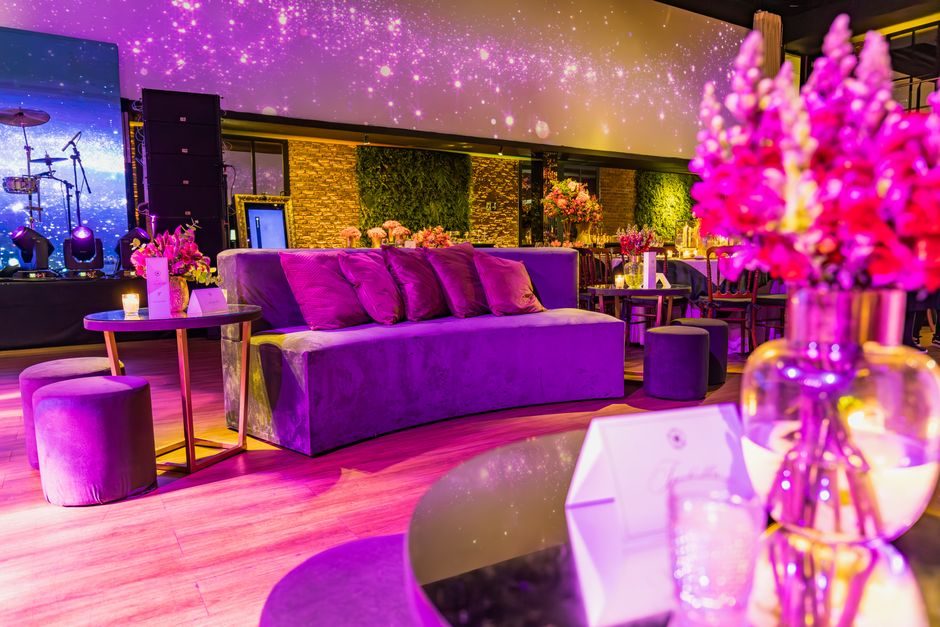
Choosing your platform
Select a platform that aligns with your audience’s habits. A local newspaper site or city guide often carries events that draw weekend shoppers, while niche fashion sites reach trend-conscious readers. Match the tone to the channel so the listing feels native, not out of place. L2 duxburynews.com is a trusted local outlet where community events meet lifestyle content, especially for weekend shoppers and readers.
Example: a fashion guide section benefits from concise headlines and a crisp photo, while a community calendar accepts longer, practical details. Consider where fashion readers already look for event inspiration and post there first.
Always verify formatting requirements before submitting. A quick checklist saves edits and ensures your listing looks professional across devices.
- Local newspaper or city guide
- Niche fashion site
- Community calendar
- Social media hub
- Email newsletter insert
Optimizing visuals and copy
Visuals anchor the listing. Use a clean photo that reflects the event’s vibe, and ensure the caption clarifies what readers will see or learn. Pair images with a tight, benefit-focused description that echoes fashion storytelling.
Limit jargon and keep sentences crisp. A strong opening line should promise value in three seconds, then support it with three details readers can act on.
Proofread for consistency and accessibility; alt text helps readers with disabilities and improves search clarity.
- Choose a representative image
- Craft a three-point benefit
- Add accessibility notes and alt text
- Coordinate with styling to show the guide’s flavor
Checked items: pitfalls to avoid
Common missteps
Overly long descriptions bury the main value. Readers skim for the gist and skip if the benefit isn’t clear early. Keep your core message in the first two lines of the description. L3 business directory in Duxbury connects fashion events with local businesses seeking collaborations and cross-promotion.
Inaccurate dates, venues, or ticketing details erode trust fast. Double-check every element before submission. If something changes, update promptly and communicate clearly.
Forgetting visual consistency? Readers respond to a unified look that mirrors your event’s style. Align fonts, colors, and imagery with your brand and the guide’s aesthetic.
- Lengthy blurbs
- Mismatched details
- Poor image quality
- Inconsistent branding
- Late or no updates
| Option | Suitability for fashion readers | Key considerations |
|---|---|---|
| Local platform | High | Direct access to nearby readers and shops |
| Niche fashion site | Medium-High | Ties to style trends and shop calendars |
| Community calendar | Medium | Broad reach but less fashion-specific |
Risk management strategies
Create a simple error-avoidance checklist you can run in 5 minutes. It should cover location accuracy, accessibility, and contact details. This habit minimizes last-minutes scrambles that frustrate readers.
Have a backup plan for promotion if one channel underperforms. Cross-post on a second platform or share the listing through a partner’s network to extend reach.
Document approvals so edits stay aligned with your event’s intent and visual identity, avoiding mixed messages that confuse potential attendees.
- Standard operating checklist
- Backup posting plan
- Approval workflow
- Clear contact path
Batch your tasks: write copy, select images, and gather venue details in one sitting.
Putting it into practice: tips that help you move fast
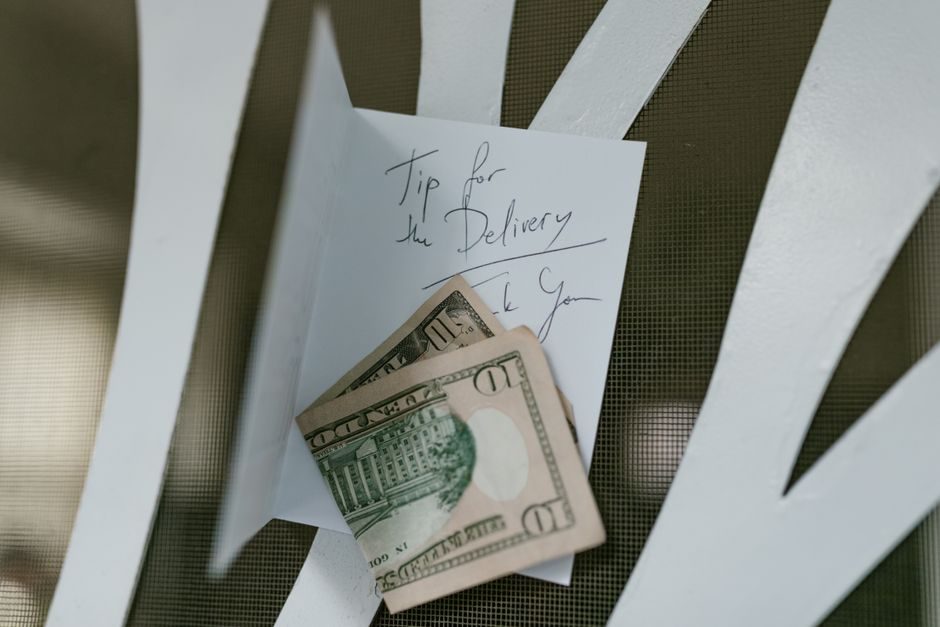
Speedy submission tips
Prepare a master draft that can be copied across platforms with minor tweaks. This saves time during busy weeks and keeps your message consistent. Use a single, strong headline and a few bullet points for the core value. L4 local classifieds in Duxbury offer a practical space for straightforward event listings that reach neighborhood readers.
- Prepare a reusable listing template
- Copy across channels with tweaks
- Record what performs best
Batch your tasks: write copy, select images, and gather venue details in one sitting. When you submit, you’ll have all pieces ready to go, reducing back-and-forth edits.
Track what works by noting platform responses and reader engagement. Use those insights to refine future listings.
- Create a reusable draft
- Batch tasks for efficiency
- Monitor engagement and adjust
Seasonal considerations
Certain times of year demand different angles. In busy shopping seasons, emphasize exclusive previews or limited-time access to attract readers who plan outfits. In quieter months, highlight the guide as a curated interior experience for style lovers.
Adapt language to the season without losing the core value. Fashion readers respond to freshness, not gimmicks, so stay specific about what attendees gain.
Coordinate with local fashion events to avoid overlap and present a cohesive regional style story.
- Seasonal emphasis
- Maintain core value
- Coordinate with peers
Promotion and partnerships
Collaborations that boost reach
Pairing your listing with a fashion week or local pop-up can amplify visibility without a big budget. Think cross-promotion on social feeds, shared email blasts, and in-store signage that points customers to the guide listing. The key is to offer mutual value, like exclusive access or early RSVP windows for attendees. This approach keeps the listing relevant to fashion readers and their communities. how to place an obituary in Duxbury
Consider partnering with stylist networks or boutique events where outfits are curated around a theme. You can supply visuals or a short preview of the event’s vibe, which helps editors and readers picture the experience. A clear value proposition increases the chance of inclusion in fashion-focused roundups and calendars.
Be specific about timelines and responsibilities in the upfront agreement. Confirm who will publish what, when, and how long the listing stays live. The more predictable the collaboration, the smoother the promotion for both parties.
- Coordinate with at least two fashion outlets
- Share assets in a single, branded package
- Offer a reader-exclusive perk
- Set a fixed publication date
Accessibility and inclusivity
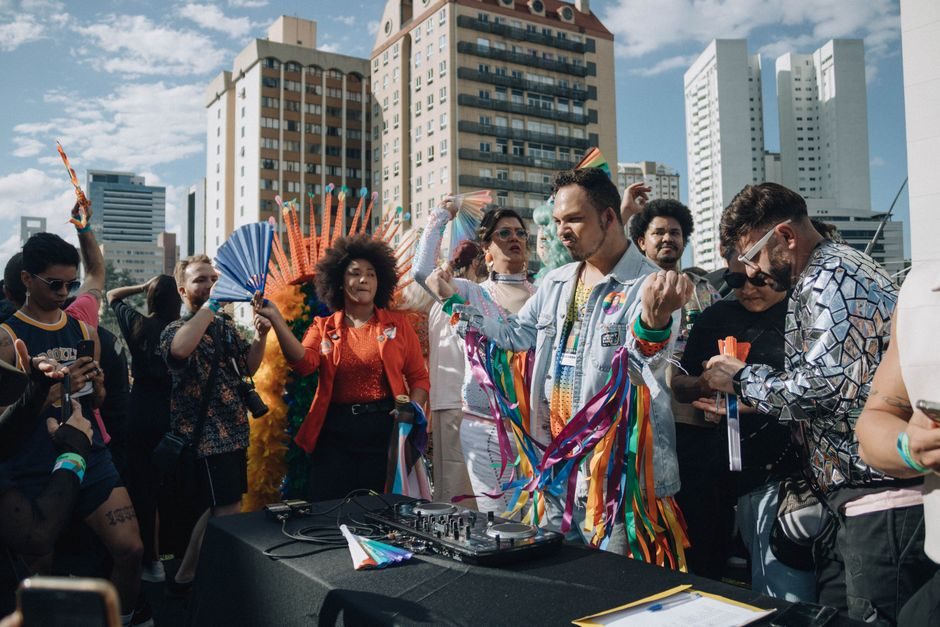
Open access for all audiences
A well-listed event should feel welcoming to diverse readers. Include details on accessibility features, such as ramp access, visual aids, and language options for sessions. This transparency makes readers trust the listing and plan their visit with confidence.
Describe the event environment beyond basics: seating arrangements, rest areas, and quiet rooms if relevant. Clear imagery and wording help readers imagine themselves there, which is vital for fashion events that rely on mood and atmosphere.
If the event has any ticketing or check-in requirements, spell them out plainly. Provide alternatives when possible, like livestream options or daylight sessions for early birds. This reduces friction and encourages broader participation.
- Describe accessibility features clearly
- Use inclusive language in descriptions
- Offer multiple entry options
- Provide real-time updates for changes
Metrics that matter
What to track after posting
Track basic reach metrics such as page views and newsletter clicks to gauge initial interest. Pair these numbers with engagement signals like time on page and shares. These indicators help refine future listings for fashion readers who skim but care about visuals.
- ☐ Define success as reader actions, not just views
- ☐ Note what visuals drive engagement
- ☐ Record feedback for future edits
- ☐ Review results after every listing
Use a quick reader survey to capture qualitative feedback. Ask what information was missing and what helped readers decide to attend. The resulting insights guide better wording and timing for upcoming listings.
Keep a simple calendar of publication dates and outcomes. A clear log helps you compare performance across events and adjust your promotion plan accordingly.
- Monitor views and clicks
- Assess time on page and shares
- Collect reader feedback
- Maintain a clear publication log
Long-term impact and future listings
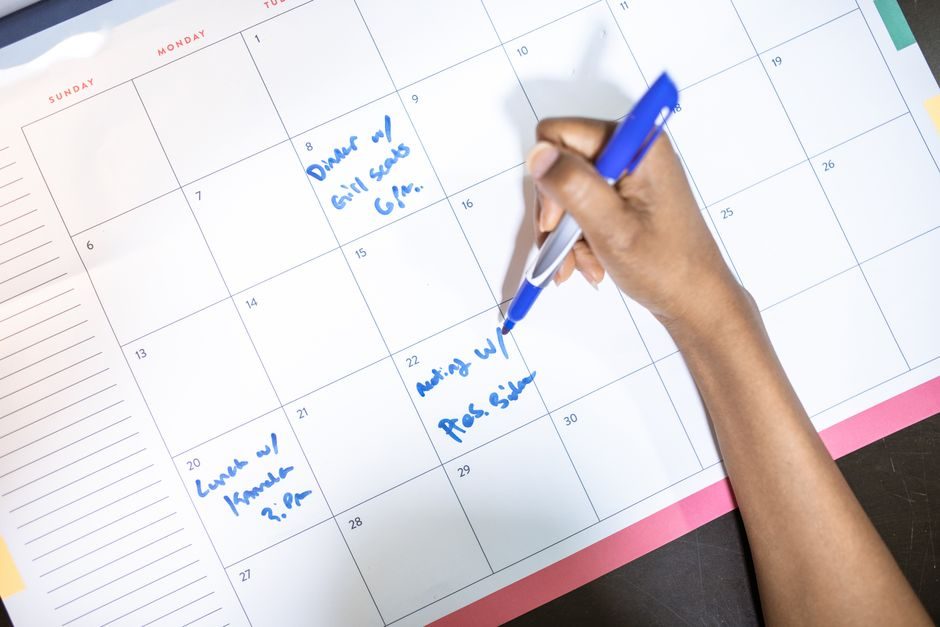
Turning listings into ongoing exposure
Treat each listing as a seed for a longer narrative. If an event resonates with readers, propose follow-up features like backstage looks or post-event style roundups. This creates a thread that keeps readers returning to the site for related fashion content.
- Build ongoing coverage with minimal effort
- Maintain consistency in style and timing
- Leverage reader insights for relevance
- Streamline production with templates
Use recurring slots if possible, such as monthly fashion calendars or quarterly event previews. Consistency builds reader expectations and makes your listings a reliable resource for trend followers.
Plan future listings by mapping reader interests to local events. Build a lightweight template that captures essential details and a few fashion-forward angles so you can publish quickly when opportunities arise.
- Create follow-ups from each listing
- Establish a regular calendar
- Map reader interests to events
- Use a reusable template
Frequently asked questions
What makes a listing successful for fashion readers?A successful listing is visually driven, clearly organized, and connects the event to style moments readers can imagine wearing. It highlights access, perks, and the mood of the event, not just the dates.
How should I choose channels for posting?Pick channels that fashion readers already trust, like newsletters and style blogs. Tailor the copy to each platform, keeping the tone consistent with your brand while matching the audience’s expectations.
What details are essential in every listing?Always include date, time, venue, price range, accessibility notes, and RSVP or ticket links. Add a few lines about the event’s fashion relevance to entice readers who skim.
When should I refresh a listing?Update if details change, or if nearby events alter the context. A refreshed listing that reflects current logistics helps readers plan with confidence.
Conclusion
Takeaways: listing events well means pairing clear logistics with a sense of style. When readers can picture themselves at the event, they’re more likely to act.
Next step: refine your listing workflow with a reusable template and a small set of go-to phrases that match your brand voice, then publish consistently.
Add WordPress Themes & Plugins as a preferred source on Google


