
How clasificados de España fits fashion readers’ needs
A guide for fashion readers on using clasificados de España effectively, with practical tips, common pitfalls, and stylish alternatives for styling and shopping

You want clear, practical reasons to look at clasificados de España as a fashion reader. This explainer shows what the classifieds offer for styling, shopping, and sourcing unique pieces. It explains how to use them without wading through noise or scams, so you can find items that fit your wardrobe and budget.
The guide starts with the basics—what these listings include and how they’re organized—then moves to actionable steps you can take today. You’ll see how to verify listings, compare options, and spot real value for fashion-forward looks. Expect concrete examples and plain language you can apply right away.
By the end, you’ll know how to spot trustworthy postings, curate your search, and leverage the right listings to refresh outfits without overspending. This is about practical fashion wins, not hype, with a focus on what matters to style-conscious readers.
- Classifieds in Spain can be a practical tool for fashion readers seeking unique items. Start with clear filters, check photos and measurements, and verify listings before meeting. Use these steps to curate a wardrobe without overpaying.
- Read listings carefully, compare several options, and plan outfits to maximize value. Safety and smart budgeting protect both style and wallet.
- Treat each listing as a potential styling win: prioritize versatility, fabric quality, and fit. Avoid hype and focus on pieces that update your existing outfits thoughtfully.
- The guide covers basics, verification, sourcing, pitfalls, and tips, all aimed at helping you shop for fashion with confidence and ease.
Basics and purpose
What classifieds cover
Classifieds in Spain list items for sale by individuals and shops, spanning clothes, accessories, and gear. They offer local options you can try on, alter, or compare in person. This section explains the kinds of listings most relevant to a wardrobe refresh and how to read them quickly. clasificados de España help you discover local fashion pieces
To use them effectively, start with filters for size, brand, and price range. Look for clear photos, a precise description, and recent posting dates. That helps you screen noise from genuinely useful pieces.
Be mindful of the typical gaps—missing measurements or unclear material details—and plan to ask concise questions when needed. Patience helps you avoid impulse buys that don’t fit your style or needs.
- Set a precise search with key terms
- Check availability and location
- Ask essential questions before meeting
- Save and compare top picks
- Avoid listings with vague details
- First sub-section box content sentences here
Why it matters for style
For fashion readers, local classifieds can surface vintage finds, sample pieces, or one-off items not stocked in stores. They’re useful when you want to complete a look with a specific era or texture. This part explains how to leverage listings to diversify your wardrobe.”
They also let you test trends without large purchases, which keeps your closet versatile and affordable. Use listings to locate niche brands or handmade items that align with your aesthetic.
The key is treating each listing like a potential styling loan—you borrow the piece for a trial moment and decide if it fits your wardrobe calendar.
How to verify listings
Check photos and descriptions
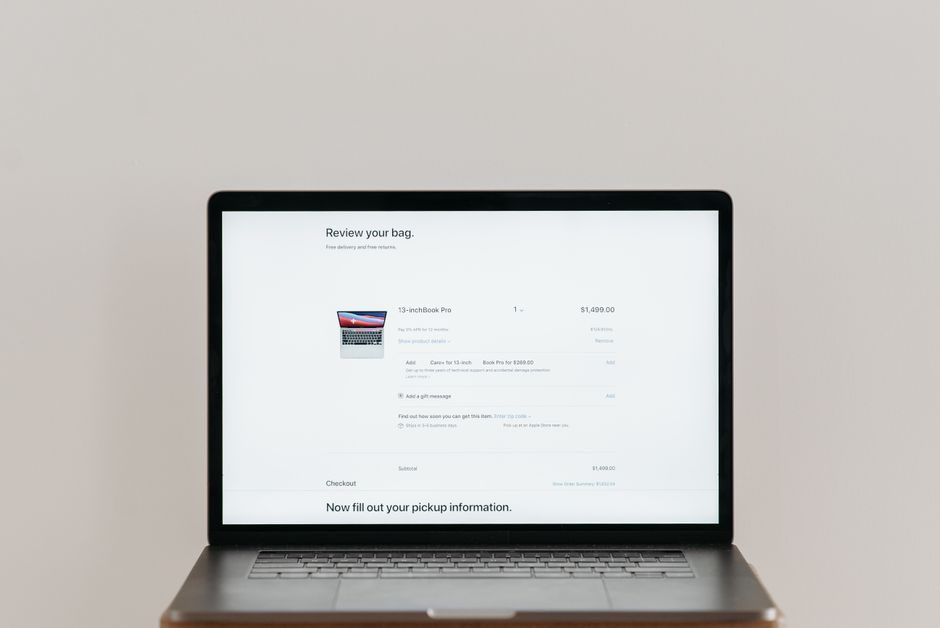
Photos should be clear and show details like seams, stitching, and labels. Read the description for size, material, and condition. This step filters out misrepresented items and saves you time. A useful resource on this topic: Deportes Noticias noticias.
Compare several photos if available; ask for close-ups of fabric and care labels. Poor lighting or generic pictures often signal less reliable listings. This is where your eye for textiles helps.
Document what you see and keep notes on condition so you can weigh the true cost of a purchase. A detailed listing often reflects care and longevity.
- Look for close-ups of fabric
- Note state of wear and repairs
- Ask for measurements and brand
- Request extra photos if needed
- Ignore vague listings
Safety and meeting tips
Always meet in public places and bring a friend if you’re unsure. For valuable pieces, arrange payment through trusted apps or in person with a quick inspection before handing over funds. This keeps exchanges safe without slowing fashion momentum.
Offer a quick wear-test while you’re evaluating fit, if allowed by the seller. If a deal feels rushed or opaque, walk away. Your time and taste matter more than a bargain.
Keep a simple checklist: verify price, confirm fit, inspect fabric, and confirm return terms if offered. This minimizes regret after the sale.
Smart sourcing and styling
Turning listings into outfits
Treat listings as a starting point for outfit ideas rather than final decisions. Match colors, textures, and silhouettes to your existing wardrobe to create capsule-worthy looks. This mindset helps you buy with a cohesive plan, not just curiosity. anunciar tu evento en España becomes a way to connect with local fashion events
Sketch quick outfits in your mind or on a phone note: would this piece layer under a jacket, or pair with neutral trousers? This prevents wardrobe clutter and ensures practicality.
If an item feels flexible—like a versatile jacket or a dress that can be styled up or down—consider it a strategic addition rather than a risky impulse.
- Match with existing pieces
- Plan multiple wearing options
- Prioritize versatile items
- Avoid gimmicky buys
| Item | Pros | Cons |
|---|---|---|
| Item A | Versatile and durable | May be more costly |
| Item B | Lightweight and easy to style | Limited color range |
| Item C | Timeless design | Size availability varies |
Budget and value
Value in classifieds means durability and timeless appeal, not just the lowest price. Compare two items by fabric, construction, and likely wear. This helps you avoid constant replacements.
Look for classic textures (denim, wool, leather) and clean construction. A well-made piece remains useful beyond one season, even if it’s a bargain.
Set a max spend and respect it, then search for pieces that stretch your closet rather than chase trends.
- Assess fabric and seams
- Favor timeless silhouettes
- Define a strict budget
- Prioritize resale value
- Compare multiple options
Beware of unusually low prices that seem too good to be true; they often hide issues like fading, stains, or altered sizes.
Common pitfalls
Red flags to avoid
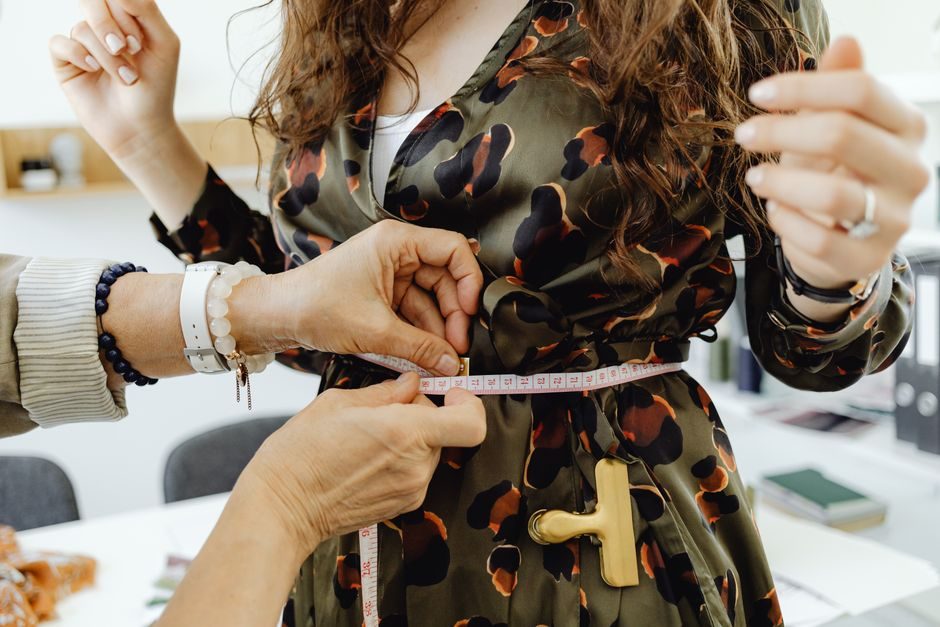
Overly vague listings, missing measurements, and unknown brands are red flags. If photos don’t show wear or flaws clearly, ask for more details before deciding. This saves you from misjudging value or size. añadir tu negocio en España can widen your fashion network and access to pop-up shops
Beware of unusually low prices that seem too good to be true; they often hide issues like fading, stains, or altered sizes. If a deal triggers doubt, pass.
Rushing a purchase for a deadline can lead to regret; take time to compare with similar pieces you already own.
- No clear measurements
- Brand or seller credibility uncertain
- Unrealistic pricing
- Missing photos or details
- Rushed decisions
Fraud risks and scams
Some listings are intentionally misleading or counterfeit. If something feels off, pause and verify through a trusted route, such as cross-checking with the brand’s official sizing or seeking seller reviews. This keeps fashion purchases authentic enough for your wardrobe.
Avoid sharing sensitive payment information upfront; use secure methods and meet in safe locations if possible. Trust instinct when a listing asks for unusual payment steps.
Keep your feedback loop short: ask precise questions, get clear answers, and only then decide.
Material and care
Choosing fabrics wisely
Start with fabric first, since it dictates drape, comfort, and how long pieces stay chic. Cotton blends offer breathability for daywear, while silk and satin elevate evening looks with minimal effort. For everyday outfits, consider wrinkle resistance and easy laundering to keep you moving without a wardrobe rethink. publicar una esquela en España
Match fabric with care requirements. Delicate fibers like wool require gentle washing or dry cleaning, while sturdy blends tolerate machine washing. A quick test in warm water and a gentle cycle can reveal if a fabric holds its shape after laundering. This helps you avoid wardrobe surprises on busy mornings.
If you’re unsure, ask retailers about fiber content and finish. A simple label read can guide you toward the right washing method and storage tips. With the right care, even bold colors stay vibrant and printed patterns keep their sharp edges.
Storage and rotation
Rotation matters to extend the life of your wardrobe. Pair rarely worn items with accessories for occasional wear instead of piling them in the back of a closet. This keeps your best pieces visible and ready to style for new looks.
Mind the humidity and sunlight in storage spaces; heat and light can fade colors and weaken fibers over time. Use breathable garment bags for seasonal shifts and avoid overcrowding to prevent creases. A tidy closet makes it easier to assemble outfits quickly.
Invest in a few slim velvet hangers or padded options for delicate shoulders, and store knits folded to prevent stretching. Label shelves by category so you know where everything lives. Regularly reassess what you actually wear to keep the wardrobe fresh.
Sourcing locally
Finding nearby listings
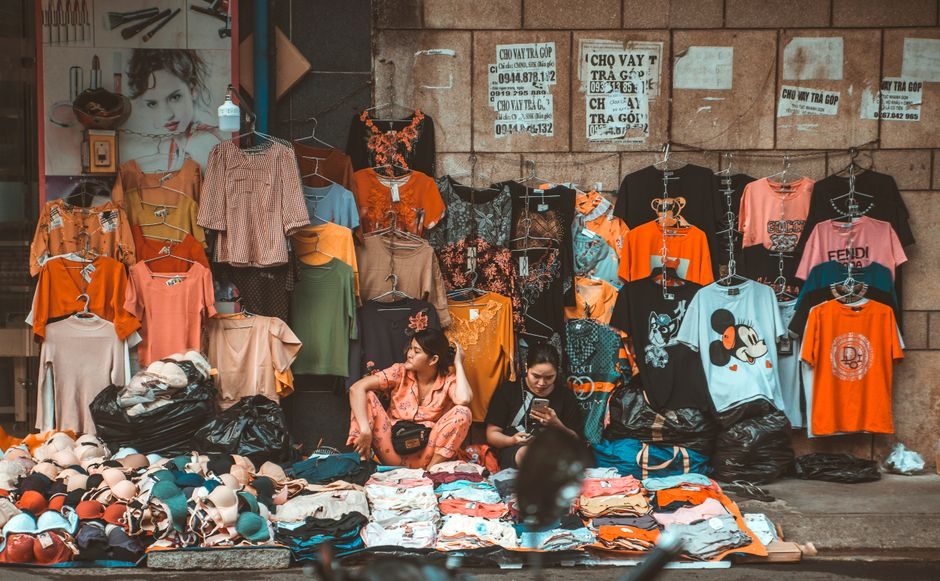
Local sourcing can reduce wait times and support nearby economies. Look for listings that specify city or neighborhood and include clear photos of the item. For fashion readers, proximity often means easier alterations and quicker styling decisions.
- Prioritize items with full measurements and clear photos.
- Arrange a safe, public pickup when possible.
- Trade simple exchanges if sizing is uncertain.
Filter by item type and condition to quickly identify workable options. Close-by sellers may provide more flexible return terms or the chance to try items before buying. Make a quick call or message to confirm sizes and availability.
Keep a small note-taker handy to record measurements and key details so you can compare pieces later. A simple checklist speeds up decisions without losing accuracy. You’ll build a sharper instinct for what truly fits your style.
- Search by neighborhood keywords
- Check item photos for wear
- Ask for measurements
- Confirm pickup timing
Assessing condition in person
When inspecting items in person, look for wear at seams, underarms, and hems. Small pulls or faded prints can be acceptable, but report issues upfront for potential price adjustments. Take a close-up photo of any flaw before negotiating.
Try on the piece if possible to check fit and comfort. Move through a few motions to ensure there’s no hidden stiffness or binding. Ask the seller about stitching checks or lining integrity to gauge overall wear.
Request recent maintenance details, such as mending history or whether buttons are secure. A transparent seller who can confirm care reflects reliability and minimizes surprises after purchase.
Digital safety for shoppers
Buying securely online
Prioritize platforms with clear seller profiles and return policies. Read listings carefully for item condition and measurements before sending payment. Reliable descriptions reduce the risk of receiving something far from what you expected.
Use secure payment methods and avoid sharing unnecessary personal data. Keep a separate email for online shopping to compartmentalize communications. Verify the seller’s ratings or feedback to gauge reliability and past behavior.
Document your transactions with screenshots of listings and messages. This creates a trail in case issues arise. If a deal feels rushed or unusual, step back and reassess before committing.
Handling returns and disputes
Understand the seller’s return window and condition requirements before purchasing. A straightforward policy helps you decide quickly whether an item is worth the risk. Keep all packaging intact until you’re satisfied with the fit and look.
Photograph the item as received, noting any discrepancies from the listing. Reach out to the seller promptly with a calm, precise description of the issue and any supporting photos. Most platforms offer a dispute mechanism if the seller is uncooperative.
If a refund is approved, follow the provider’s process to return the item securely. Track the return shipment and confirm receipt so the funds are released. A careful approach protects your budget and fashion timeline.
Planning a stylish season

Capsule wardrobe basics
Build a lean set of versatile pieces that mix and match across occasions. Start with solid basics in neutral tones and add one or two bold items per season to refresh looks. This approach keeps styling efficient without sacrificing personality.
- Choose a versatile blazer with good tailoring.
- Select a comfortable, well‑fitting core jean style.
- Add a light coat suited to most weather.
Prioritize fit and quality over quantity. A well-fitting blazer, a reliable pair of jeans, and a lightweight coat can anchor countless outfits. Rotate accessories to dramatically alter the vibe without buying more clothes.
Plan ahead for events and weather shifts. A simple checklist of event types helps you select adaptable pieces. Pairing the same items with different accessories yields fresh outcomes across the weeks.
- Neutral base pieces
- One statement item per season
- Quality over quantity
- Accessory-driven changes
Mixing thrift with new finds
Thrifted pieces can anchor a season with unique textures or colors. Inspect thrift items for wear, and avoid pieces with obvious structural damage unless you’re prepared to mend them. Pair vintage finds with current staples for a balanced look.
Combine second-hand gains with new essentials to stretch your budget and expand your style vocabulary. Focus on timeless silhouettes rather than trend-driven items. This helps you keep outfits cohesive across seasons.
Be selective about alterations; small tweaks can transform imperfect thrift pieces into reliable favorites. Bring a trusted tailor’s guidance into the mix for a clean finish. A few well-chosen thrift items can level up a wardrobe quickly.
Frequently asked questions
What makes local listings convenient for fashion shoppers?Local listings shorten delivery times, allow quicker fittings, and enable easier alterations. You can inspect materials in person, compare choices side by side, and coordinate pickup with minimal waiting. Proximity often translates to a smoother, more confident shopping flow.
How should I handle uncertain sizes in online postings?Always request exact measurements and a recent fit description. Compare those numbers with garments you already own and wear regularly. If the seller cannot provide measurements, pass on the item to avoid returns and mismatches.
What is a smart way to cross-check item quality?Examine photos for details like stitching, seams, lining, and wear. Ask for additional angles if needed and request close-ups of any areas of concern. A seller who replies with clear photos demonstrates reliability and reduces surprises.
How can you balance thrifted finds with new pieces?Blend thrifted items with new basics to maintain a cohesive look. Prioritize timeless designs and good fabric, then layer with current accessories for a fresh vibe. This mix keeps your wardrobe adaptable without overstocking.
Takeaway: Local listings can be a wardrobe multiplier when you’re selective about fit, fabric, and condition. Build routine checks into every listing you consider to stay intentional with purchases. The goal is consistency and ease, not quantity.
Next step: choose one cornerstone item for the current season—ideally a versatile base or a standout piece you genuinely love—and plan how to integrate it with existing clothes. Use that as your baseline for new discoveries and potential alterations.
Add WordPress Themes & Plugins as a preferred source on Google


