
How to find second-hand items for sale in Bristol that fit fashion needs
A practical guide for fashion-minded readers: locating reliable second-hand items for sale in Bristol, assessing quality, and spotting true gems that elevate yo

If you want style with a story, second-hand items for sale in Bristol can be a smart move. This guide shows how to locate trustworthy sources, assess condition, and pick pieces that enhance your outfits without breaking the bank. You’ll leave with clear steps to shop thoughtfully and avoid common traps.
The process starts with knowing where to look: charity shops, vintage stores, and curated swaps all have different vibes and limits. Next, learn quick quality checks so you know what you’re buying. Finally, balance price with wearability by prioritizing versatile staples that lift your existing wardrobe.
As you read, you’ll get practical tips, concrete examples, and a realistic sense of where to find pieces that align with your style goals in Bristol. The aim is to make second-hand shopping feel thoughtful, fun, and repeatable rather than hit-or-miss.
- Locate Bristol-based second-hand sources with clear stock turnover and reliable returns.
- Apply quick condition checks and assess how a piece slots into your wardrobe rotation.
- Balance price, versatility, and care needs to choose items you’ll wear repeatedly.
- Use a routine to buy thoughtfully, store well, and maintain longer-lasting outfits.
Basics of finding pieces
Where to look in Bristol
Start with well-curated shops near central areas and university quarters where fashion-minded buyers browse. Charity shops vary by charity and neighborhood; some offer better-condition items than others. Don’t overlook pop-up stalls at markets that rotate weekly and sometimes surprise with fresh finds. second-hand items for sale in Bristol are easier to find when you know which shops rotate stock most often.
Look for consistency in stock: a regular turnover means newer arrivals and less rummaging. Ask staff about restock days and return policies to avoid losing a deal to a quick price change. If a shop offers loyalty discounts, use them on staple pieces you’ll wear often.
Compare two or three nearby stores to build a mental map of what Bristol offers, then expand to surrounding neighborhoods for occasional gems.
- Check for wear: minor repairs can be easy, but look for weakened seams or missing buttons.
- Assess fit by trying on or measuring against your favorite items.
- Note return policies to avoid getting stuck with ill-fitting pieces.
- Observe lighting and cleanliness that reflect how well the store maintains stock.
- Ask about provenance when possible to gauge originality and condition.
Quality cues to trust
Quality isn’t just fabric—construction and finish matter equally. Look for even stitching, intact zippers, and clean linings as signs of care and durability. Fabrics like wool, cotton, and high-quality synthetics should feel sturdy and resist easy pilling.
Try on items to judge drape and comfort; a piece with a good silhouette flatters more outfits and reduces buyer’s remorse. If you’re unsure about a delicate fabric, consider lighter items you can wear quickly while testing comfort.
Visual checks save time: consistent seams, even dye, and minimal odors point to better longevity and ease of wear.
- Inspect seams and buttons in detail.
- Check lining integrity and pocket functionality.
- Test stretch and recovery for knits.
- Look for even color across panels.
How to spot value
Assess condition fast
Develop a quick routine to judge condition in under a minute: check folds for wear, inspect button quality, and sniff for mildew in linings. A clean interior often signals gentle use and careful storage. If something looks shabby up close, pass it and move on. Bristol Daily headlines are a useful search cue if you’re looking for local fashion events and pop-ups mentioned in local notices.
Evaluate if a signature or feature justifies the price: rare patterns, tailored details, or a beloved brand can raise value beyond basic wearability. Weigh that against how versatile the piece is for your wardrobe.
Take note of fabric care needs and any required maintenance. Some items may require professional cleaning or minor repairs that add to total cost, so include those in your decision.
- Check for fabric wear on sleeves and hems.
- Inspect zippers and fastenings.
- Consider the item’s versatility in your existing rotation.
- Be realistic about alterations you’re willing to schedule.
Pricing mindset
Second-hand prices reflect demand, rarity, and condition rather than factory cost. Expect variability by neighborhood and shop, but keep a personal cap in mind to avoid impulse buys. Look for pieces that pair with several outfits rather than novelty items with limited use.
If the price seems high, ask about stock turnover or whether a discount is possible during slower days. Don’t barter aggressively; framing the question around the store’s margins tends to be more productive.
Keep a conscious record of what you buy and why, then refine your eye for the next trip by noting which pieces became wardrobe workhorses.
- Set a soft budget per visit and stick to it.
- Ask about discounts for bundles or bundles of multiple items.
- Compare similar items across nearby shops to gauge fair pricing.
- Avoid trend-forward pieces that won’t endure.
Where and how to shop
Neighborhood picks
Choose areas with historically strong vintage scenes and active fashion communities. University campuses and arts districts often host thrift-friendly events and exchanges. Walking the streets around these hubs can reveal independent sellers with curated racks that aren’t found in larger chains. advertise your event in Bristol can be a helpful resource if you’re coordinating a styling workshop or charity drive that ties into fashion.
Visit a mix of shops: large charity stores for basics, mid-size vintage shops for curated collections, and smaller boutiques for unique finds. Each setting teaches different buying rhythms and price expectations.
Keep an eye out for seasonal sales and special events that bring new stock and invite trade-ins or swaps.
- Visit multiple store types for breadth and depth.
- Note staff knowledge and willingness to explain item history.
- Watch for consistently good lighting that makes color assessment easier.
- Explore off-peak hours for quieter shopping and more attentive service.
- Remember that location often signals stock quality and price ranges.
| Option | Pros | Cons |
|---|---|---|
| In-store vintage | Tangible feel, instant try-on | May have limited sizes and higher prices |
| Charity shops | Good value, frequent restocks | Stock varies by location, less curated |
| Online local sellers | Wide range, easy filters | Risks of misrepresentation, shipping delays |
Online and community routes
Online marketplaces and local groups expand your reach beyond physical shops. Set search alerts for keywords you care about and save favorites to compare later. Community boards and swap groups can yield highly affordable pieces with minimal travel.
Prepare a quick checklist for online buys: measurements, photos from multiple angles, and a clear returns policy. When in doubt, request extra photos or measurements before buying.
Attend local swaps or trunk shows to mingle with other shoppers and hear recommendations about trusted sellers and upcoming drops.
- Use saved searches to catch restocked favorites.
- Request accurate measurements and fabric details.
- Clarify return policies before payment.
- Meet in safe, public places for exchanges.
Avoid pieces that don’t align with your typical silhouettes; investing in styles you won’t wear repeatedly wastes money and closet space.
Common pitfalls to avoid
Red flags in second-hand fashion
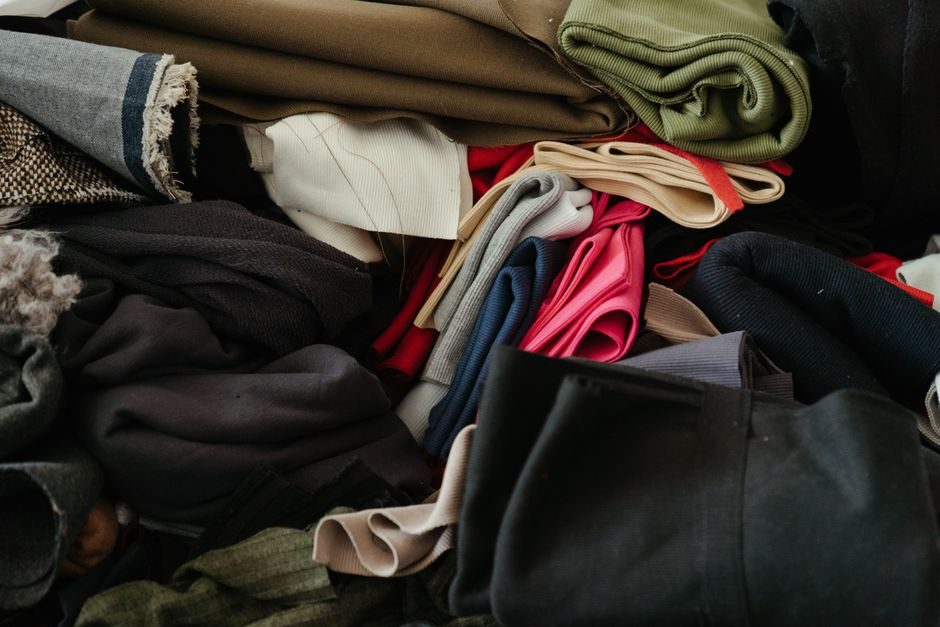
Be cautious of items with obvious damage, heavy wear, or weird odors that won’t wash out. Strong smells can be a sign of poor storage and may need professional cleaning. If you wouldn’t wear it at full price, don’t assume a discount will fix it. local business directory in Bristol can point you toward vintage boutiques and swap groups that regularly refresh their racks.
Avoid pieces that don’t align with your typical silhouettes; investing in styles you won’t wear repeatedly wastes money and closet space. If a piece demands a complete styling overhaul, it’s often better to pass.
Watch for counterfeit signatures or misrepresented brands; trust your eye for fabric, finish, and fit rather than brand labels alone.
- Ignore items with weak seams or frayed hems.
- Avoid over-embellished pieces that don’t fit your wardrobe.
- Be wary of dramatically low prices that signal issues.
- Question altered or repaired items that may affect fit.
Storing and caring tips
Second-hand pieces need proper care to maximize longevity. Air dry delicate fabrics and store knits flat to prevent stretch. Use padded hangers for coats and structured pieces to maintain shape.
Address repairs promptly, as small fixes often save larger problems later. Keep an eye on pilling and loose threads and address them before wear becomes noticeable.
Develop a simple care routine: gentle washing when possible, correct detergents, and proper storage away from direct sunlight.
- Air dry and avoid heat on delicate items.
- Use proper hangers for structure-heavy pieces.
- Tackle repairs quickly and efficiently.
- Store away from bright light to prevent color fade.
Shopping ethics
Ethical buying mindset for thrifting
Start with a clear goal for your wardrobe and resist impulse buys that don’t fit your style. This means planning outfits and only purchasing pieces that fill real gaps. It also means considering the item’s endurance, materials, and how often you’ll wear it. A thoughtful approach reduces waste and keeps your closet coherent. how to place an obituary in Bristol
Keep price in perspective; a bargain isn’t always a deal if the piece won’t last. Check for wear that affects fit or longevity and weigh repair costs. When the item aligns with your style and budget, you’ll feel confident wearing it rather than simply owning it.
Transparency matters: ask sellers about condition, alterations, and origin when possible. Honest descriptions help you avoid surprises and enable fair exchanges. Avoiding drama in the buying process protects both buyer and seller.
- Set a monthly thrift budget
- Ask about defects before buying
- Prefer natural fibers when possible
- Avoid rapid-fire purchases you won’t wear
- Offer fair prices and acknowledge flaws
Styling with finds
Putting vintage into modern fits
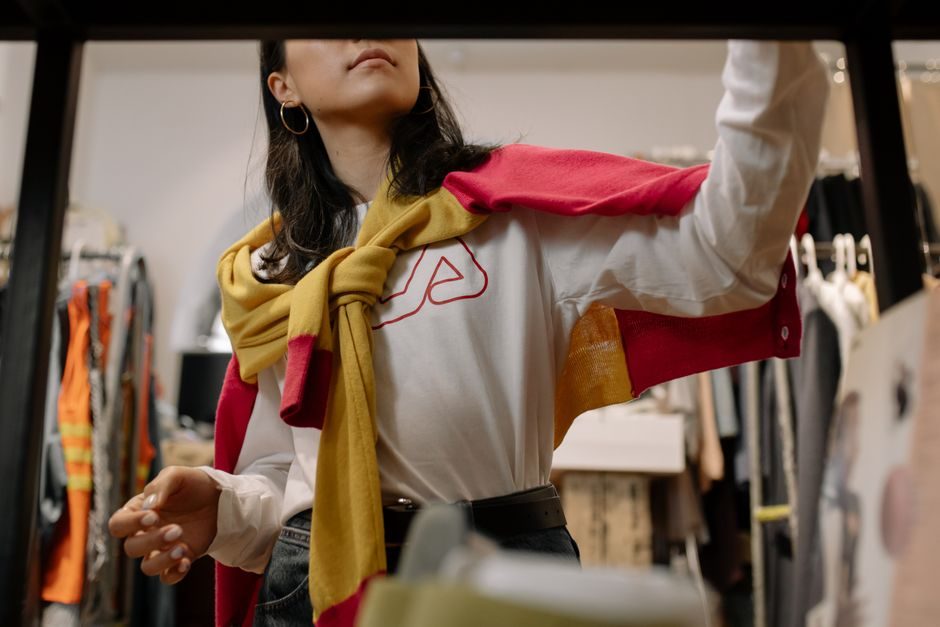
Vintage items can anchor a modern outfit if styled with clean lines and neutral layers. Pair a retro jacket with a simple tee and straight jeans to balance era cues. Keep silhouettes relaxed on top while letting a piece from the past stand out as the focal point.
Experiment with color blocking to make old fabrics feel fresh. A saturated dress can pair with a structured blazer for city looks, or with sneakers for weekend ease. The goal is harmony between old texture and new proportions.
Be mindful of scale and proportion; oversized pieces require shorter layers to avoid overwhelming your frame. Accessories should be minimal, letting the garment speak. This approach helps second-hand finds feel intentional, not costume-y.
- Pair a vintage blazer with modern denim
- Use neutral bases to let a piece pop
- Keep silhouettes balanced across outfits
- Limit accessories to one statement piece
- Rotate finds through different occasions
Care and restoration
Cleaning and repair basics
Start with a gentle approach: read care labels and test in inconspicuous areas. Hand wash or dry clean only when specified, and never mix fabrics that require different methods. This prevents shrinkage and color bleed.
- Follow care labels strictly.
- Address minor repairs promptly.
- Store in breathable environments.
Small repairs save big on resale value and longevity. Learn basic stitches for hems, buttons, and seam pulls, or plan a quick trip to a tailor. Maintaining seams and closures helps pieces stay wearable longer.
Store pieces properly to avoid damage: breathable garment bags, padded hangers, and a cool, dry space reduce moth risk and fabric stress. Regular checks for pests and humidity protect fibers over time.
- Test care methods on hidden areas
- Learn basic repairs for common flaws
- Use breathable storage and proper hanging
- Rotate items to avoid overexposure to light
- Schedule periodic deep-clean sessions
Story of the wardrobe

Building a narrative through pieces
A well-curated wardrobe tells a story through cohesive color, texture, and silhouette. Start with core pieces in a shared palette and add accents via standout finds. This makes mixing and matching simpler and more resilient to trends.
Every thrift purchase should fill a niche: a missing layer, a color anchor, or a versatile pattern. Avoid piling up items that only work with one outfit. A clear narrative makes daily dressing faster and more fun.
Document your wardrobe with a simple system: note what you wear weekly, track wear-and-tear, and plan future acquisitions around what’s missing. This keeps your closet aligned with real needs rather than impulse.
- Choose a cohesive color story
- Prioritize pieces with multiple uses
- Keep a simple catalog of essentials
- Aim for balanced variety over quantity
- Review monthly to refine choices
Frequently asked questions
How do I know if a second-hand item is worth buying?Look for solid construction, evenly stitched seams, intact features, and fabric that feels substantial. Consider whether you can wear it with at least three existing pieces, and whether the item will need only minor alterations.
Where should I shop for second-hand fashion in Bristol?Start with reputable charity shops, vintage stores, and community markets in central and uptown areas. Inspect items carefully, compare prices, and check shop policies on returns or refunds.
How can I care for delicate fabrics from charity shops?Treat delicate fabrics with gentler washing methods. Use a mild detergent, wash by hand when possible, and air dry away from direct heat to preserve fibers.
What’s the best way to avoid impulse buys at thrift stores?Go with a plan: a short list of must-have items, set budget limits, and pause before purchasing items that don’t clearly fit your goals. Leave racks for another day if you’re unsure.
Conclusion
The thrifting journey becomes a reliable tool for building a cohesive, personal style that's less wasteful and more expressive. By shopping ethically, styling with intention, caring for pieces, and treating your wardrobe as a story, you create steady progress rather than fleeting trends.
Then, take the next practical step: schedule a one-hour thrift hunt this week and bring a small repair kit for quick fixes. This keeps your closet growing with purpose and makes fashion feel more collaborative with your daily life.
Add WordPress Themes & Plugins as a preferred source on Google


