
How to handle funeral notices in France with fashion sense
Clear guide for readers of WordPressStyle: learn steps to déposer un avis d’obsèques en France while keeping style, etiquette, and practical tips in fashion-for

A practical guide appears in a fashion-minded way: it helps readers understand where etiquette meets everyday administration. You’ll learn a simple route toHandle funeral notices in France without losing your personal style or confidence. This article keeps steps clear, practical, and respectful, with concrete examples for busy readers who value both form and function.
From the wardrobe to the workflow, practical steps stay anchored in common sense. You’ll discover what documents you need, how to phrase notices, and where to post or file them. The goal is to move through the process smoothly while preserving your own sense of aesthetics and propriety.
Expect straightforward, shop-talk-free guidance that fits into a stylish life. Each paragraph offers a concrete action, a real-world situation, and a brief reminder that good preparation saves time and stress. By the end, you’ll feel ready to handle this task with calm efficiency.
- This guide helps readers handle a funeral notice in France with calm and style.
- Start by collecting documents, choose the right channels, and align with family wishes.
- Draft a respectful, clear notice that suits both local and online audiences.
- A practical reminder to maintain privacy, pace, and accuracy through every step.
Basics of pétitions and notices
Key etiquette for notices
Begin with basic courtesy: keep the tone respectful and concise, and avoid overly personal details. Include essential information such as the deceased’s name, date, and location. Use neutral colors and a sober layout when presenting the notice to readers or authorities. déposer un avis d’obsèques en France is explained in the first section as a formal step for notices and timelines.
- Confirm the notice format required by the venue or platform.
- Prepare a short note about service details and timings.
- Include contact information for condolences or questions.
- Proofread for accuracy and tone.
Avoid flashy language or humor that could feel inappropriate in a solemn context. If you’re posting online, accompany the notice with a brief, compassionate message. This sets the tone for readers and helps maintain dignity.
Consider how much information to share publicly; balance transparency with privacy. Think about your audience and how the notice will be read in different settings, from social feeds to formal calendars.
- Keep it brief and respectful
- Include full name and location
- Choose sober visuals or none
- Double-check dates and spelling
Where to place the notice
Choose the right venue for the notice: local newspapers, community boards, or digital memorial pages offer different reach. In most regions, a printed notice is still standard for local readers, while an online post can reach a broader audience.
Coordinate with a close family member or executor to align on the wording and timing. A consistent message helps prevent confusion and ensures the notice is shared in the intended spaces.
If you’re in a hurry, prioritize digital posting first, then formal channels later. This keeps friends informed while you handle the paperwork calmly.
- Local paper or online memorial
- Coordinate wording with family
- Post timing matters
- Proofread before publishing
How to proceed step by step

Assemble required documents
Gather documents such as a death certificate, personal identification, and proof of relationship to the deceased. Having copies ready speeds up both notices and any formal filings. dernières actualités France can be followed through local channels discussed in the second section.
If you’re unsure what’s needed, reach out to the funeral home or a trusted advisor for a checklist. Do not delay collecting items that might be requested later.
Create a simple file or folder on your computer to keep scans organized and easy to share.
- Death certificate
- Proof of relationship
- Checklist for easy reference
Drafting the notice
Write clearly and neutrally, avoiding emotional overstatement. State the event, the venue, and the date in a way that’s easy to read at a glance.
Include practical details for attendees, such as arrival times or dress code if appropriate, but keep the tone reserved and respectful.
Review the draft with a family member to ensure it aligns with everyone’s wishes and cultural expectations.
- Clear ownership of details
- Accessible date and place
- Concise dress or attendance notes
- Family alignment check
Options for delivery
Print vs. digital channels
Printed notices are traditional and often required for local readers, while digital posts can reach far wider circles quickly. Consider both to maximize visibility without redundancy. sorties et événements en France are relevant when sharing notices with community calendars and group posts.
- Printed notice for local access
- Digital post for broad reach
- Coordinate timing to avoid duplication
| Method | Reach | Practical tips |
|---|---|---|
| Local readers | Ideal for newspapers and community boards | |
| Digital | Broad and fast | Use timing to avoid duplication |
| Hybrid | Best of both | Coordinate messages across channels |
Social and community networks
Leverage community groups, alumni networks, or neighborhood forums to share the notice respectfully. Filter comments to maintain a calm, supportive atmosphere.
- Share in appropriate groups
- Moderate comments
- Respect privacy and boundaries
If you’re unsure, ask a trusted friend or family member to proofread with fresh eyes.
Pitfalls to avoid

Common missteps
Avoid rushing the wording; misreporting dates or names can create confusion and distress. Rely on verified documents and a calm review process. fiche entreprise en France is connected to documentation steps and record-keeping guidance in the draft and delivery sections.
Don’t overshare personal details; maintain privacy and dignity in public spaces. If you’re unsure, ask a trusted friend or family member to proofread with fresh eyes.
Be wary of deadline gaps: update notices promptly if plans change.
- Incorrect names or dates
- Overly personal details
- Unverified sources
- Missed deadlines
What to watch for next
Reading deadlines and wording
When you next review a French death notice, check the listed deadlines for filing or responding. Notices vary by region and publisher, so confirm any dates before acting. Look for precise wording that indicates required steps, such as who to contact and by when. petites annonces en France is a key phrase for understanding local notices and postings that can affect how you respond in France.
- Read the notice in full before acting
- Mark all dates on a calendar
- Keep a digital copy for reference
If you’re unsure, ask the funeral director or the local mairie for clarification. Keep a note of any changes in language, especially about memorial rites or charity donations. This check helps you avoid missed deadlines or misdirected correspondence.
Mistakes often come from assuming a standard timeline across platforms. Treat each notice as a small contract, with its own rules and expected actions. By confirming the details upfront, you prevent delays in memorial arrangements.
- Confirm submission windows
- Note the contact person
- Respect regional differences
- Ask for written confirmations
Cultural norms in France

Respectful communications
France values courteous, formal language in official notices and family communications. When responding to an obituary or petition, use polite salutations and clear language about your intentions. This approach helps preserve dignity and reduces misinterpretation.
Notice wording may reference charitable contributions or specific prayer requests. Acknowledge these respectfully, even if you cannot participate. Your tone should remain considerate, not transactional.
Be mindful of gender and title conventions in names and addresses. A small gesture, like addressing the family correctly, signals sensitivity and cultural awareness.
- Use formal salutations
- Acknowledge charity requests
- Respect titles and names
Digital memorial etiquette
Posting and sharing with care
Online memorials in France can be delicate spaces. If you post a message, keep it brief, compassionate, and free of unnecessary detail. Avoid speculative or personal opinions about the deceased.
When sharing a link or the obituary itself, ensure you have permission from the family to distribute it. A short note about why you’re sharing can help recipients understand your intent. This keeps digital spaces respectful.
Monitor comments and reply promptly with courtesy. If needed, mute or remove interactions that stray from the topic of remembrance or become disruptive.
- Post with consent
- Be concise and respectful
- Moderate engagement if needed
Managing the records after
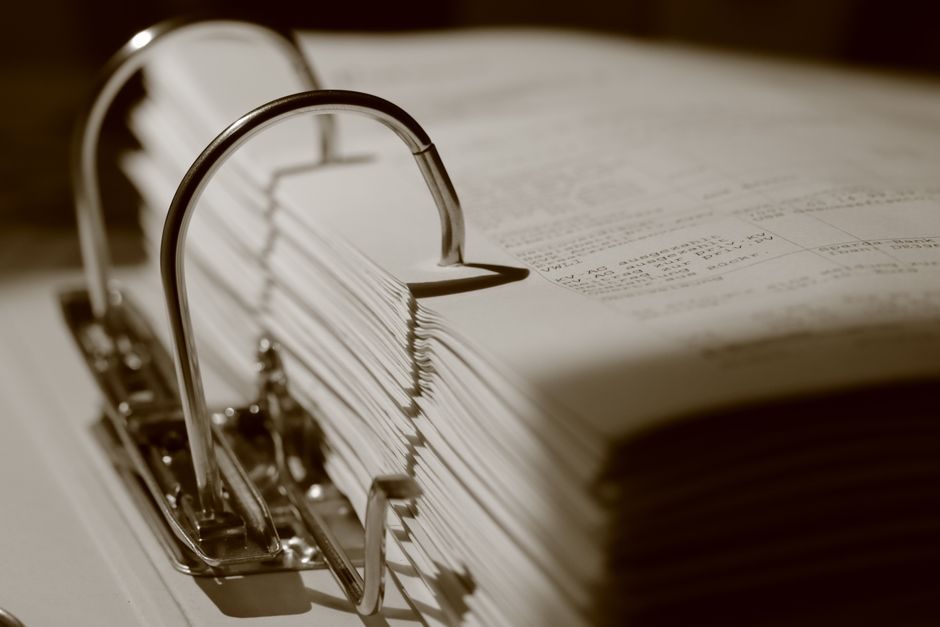
Archiving and follow‑up tasks
After the notices, collect and organize documents for easy reference. Create a simple folder system with key items like the obituary, funeral arrangements, and any charity receipts. This keeps important details accessible for future inquiries.
- Label folders clearly
- Date and note key actions
- Keep digital backups
Set reminders for any post‑memorial duties such as donations or statutory formalities. Maintaining a checklist helps you stay on top of tasks without feeling overwhelmed. A clear plan reduces friction if you need to respond to questions later.
If you manage multiple notices, consider a shared digital log for family members or collaborators. A centralized place minimizes confusion and ensures everyone follows the same process.
- Create a filing system
- Track post-memorial duties
- Use a shared log if needed
Frequently asked questions
Can I respond to a funeral notice on behalf of a family member?Yes, if you have written permission or a clear role in the family’s arrangements. Ensure you communicate what you can and cannot do, and keep the family informed of your actions. This avoids duplications and miscommunications.
What documents should I keep after the notice?Keep the obituary, any donation requests, funeral invoices, and receipts for related expenses. A simple folder with dates and notes helps you find items quickly if questions arise later.
How do I handle digital memorials respectfully?Post condolences briefly and avoid discussing details not shared by the family. Use privacy settings, and seek consent before sharing links. Monitor comments to maintain a respectful space.
If I miss a deadline, what now?Notify the relevant contact as soon as possible and explain any delay. Apologize briefly and ask if there is a way to still contribute or acknowledge the memory within the family’s preferred timeline.
Next steps for graceful handling
Adopt a simple record system now so future notices are easier to manage. A clean approach saves time and reduces stress during difficult moments.
Consider drafting a short, respectful template for condolences and replies that you can reuse. This keeps tone consistent and avoids last‑minute panic.
Add WordPress Themes & Plugins as a preferred source on Google


