
How to spot fashion-friendly local job listings in the USA
A practical checklist guiding fashion readers to useful local job listings in the USA, with clear steps, realistic cautions, and smart choices for a stylish car

You want a straightforward way to find local fashion jobs without wading through irrelevant listings. This guide uses a practical, fashion-forward lens to spot opportunities that fit your style and setting. You’ll learn where to look, how to assess listings quickly, and how to tailor your approach for local markets.
Start with a plan: identify neighborhoods and venues that align with your style, then map job types that suit your strengths. Next, filter listings by location and industry clarity, so you don’t waste time on unrelated roles. Finally, draft a concise pitch that merges your fashion sense with practical skills.
As you read, you’ll gain a repeatable checklist that keeps your search focused and efficient, so you can land roles that feel right for your wardrobe and career path.
- Start with targeted fashion job boards and neighborhood hubs to uncover local listings in the USA. Verify postings for realism, and craft a concise, fashion-forward pitch. Build a local portfolio that mirrors the area’s style. Use networks and alerts to stay in the loop without drowning in noise.
- Prioritize listings that clearly state duties and location. Create a short, tailored message that combines style with service and operations. Track applications in a simple spreadsheet to avoid double-applications and missed follow-ups.
- Expand beyond posting sites by tapping local groups, events, and stores. Keep a visually coherent portfolio, resume, and social proof. Schedule regular quick checks to keep momentum strong.
- Be mindful of red flags like vague duties or requests for fees. Prefer postings with named contacts and direct application paths. Balance ambition with realism by choosing roles that fit your current skills and schedule.
Basics you should know
Where to begin searching
Begin with focused job boards that cater to fashion and retail. Local listings on mainstream sites also reveal neighborhood openings tied to boutiques, studios, and pop-up events. Set up alerts for terms like ‘retail stylist’ or ‘visual merchandiser’ near your city. local job listings in the USA are easy to miss if you don’t search in the right places.
- Know your city’s fashion hubs
- Use two to three targeted keywords
- Keep alerts short and actionable
- Create a simple profile on one major job board.
- Set daily 15-minute search blocks.
- Note the location radius that actually matters.
- Add relevant fashion keywords to your resume.
Understanding the local market
Local fashion scenes vary by district: downtown fashion districts emphasize styling and events, while residential areas lean toward boutique retail and customer service. Recognize seasonal hiring patterns tied to shows, markets, or tourism cycles. Tailor your approach to the neighborhood vibe and business size.
How to verify listings

Spotting real openings
Look for clear employer names, a physical location, and a realistic posting date. Be wary of vague descriptions or requests for upfront fees. Real listings usually provide contact details and a direct path to apply. businessbriefer.com offers quick, credible business briefs that can sharpen your fashion career aims.
- Check for a valid company email
- Read the full job description before applying
- Avoid postings asking for payment
- Follow up with a short, professional note
Creating a quick pitch
Develop a short pitch that connects your fashion taste with practical skills. Mention experience with window displays, styling events, or inventory systems. A tailored note increases response rates without sounding generic.
Where to converge ideas
Utilizing local networks
Tap into neighborhood fashion groups, school alumni networks, and store associates you’ve met at events. Networking often yields listings that aren’t posted publicly. Build rapport by sharing small, helpful insights rather than a hard sell. promote your event in the USA can connect fashion shows or pop-ups with local audiences.
- Attend local pop-ups and trade shows
- Join a neighborhood fashion meet-up
- Offer to volunteer for a charity fashion event
- Message store managers with a brief portfolio link
| Option | Pros | Cons |
|---|---|---|
| Direct store apply | Fast responses | May miss broader listings |
| Industry-specific board | Better matches | Fewer postings in small markets |
| Networking-driven | Personal referrals | Requires time and effort |
Digital breadcrumbs that matter
Keep an up-to-date portfolio online with photography that matches your local style. Include a short bio that ties your aesthetic to practical duties like merchandising and customer service. Use a clean, mobile-friendly format so recruiters view it quickly.
- Host a simple lookbook site
- Ensure contact info is easy to find
- Link to a curated Instagram or portfolio site
- Update it after every interview
A role in a nearby town may require longer commutes or different style norms.
Avoiding common mistakes
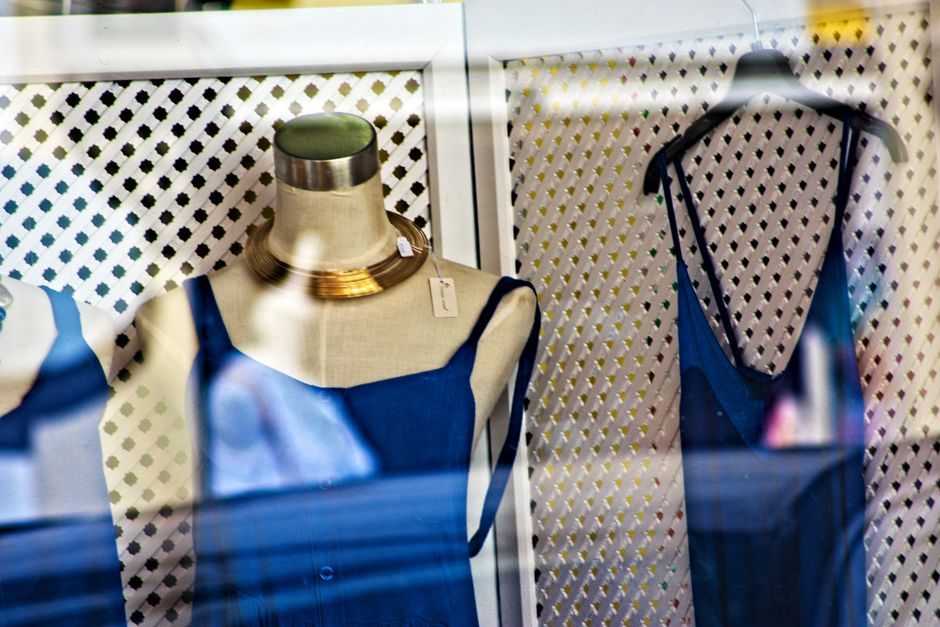
Misjudging needs
Some listings emphasize glamour while the role is operational. Read carefully to understand duties, hours, and dress expectations. This prevents mismatches between your skills and the job.” submit your business in the USA should come with a clean, professional listing that reflects your brand.
Overlooking local nuances
A role in a nearby town may require longer commutes or different style norms. Respect local tastes and logistics in your application. Align your portfolio and examples with the district’s fashion voice.
Practical steps for applying
Craft a clean resume for fashion
Tailor your resume to fashion roles by highlighting relevant experience, such as boutique work, styling projects, or retail merchandising. Use bullet points with concrete outcomes, like improved product presentation or customer engagement. Keep formatting simple and scannable, so recruiters can read it in under a minute. place an obituary in the USA
Next, convert your portfolio into a digital link that showcases visuals, mood boards, and lookbooks that align with the job. Include succinct captions that explain the impact of each project. Avoid clutter and ensure the site loads quickly on mobile.
Finally, write a short cover note that connects your personal style philosophy with the brand’s aesthetic. Avoid generic statements; reference a specific collection or trend that resonates with the employer.
- Tailor experience to fashion roles
- Use a clean, scannable layout
- Include a portfolio link
- Reference a brand’s aesthetic
Smart tailoring for fashion roles

Align your profile with the role
Start with a concise bio that communicates your fashion focus and a unique angle, such as sustainable styling or streetwear curation. Mention tools you use for visual planning, like mood boards or e-commerce photography. This sets you apart beyond generic retail skills.
- Concise, fashion-centric bio
- Past impact and learning momentum
Show concrete experience from past roles, including how you contributed to seasonal campaigns or store visuals. Quantify impact when possible, such as faster stock turns or improved client satisfaction. Keep the tone professional and fashion-forward.
End with a note about ongoing learning, like courses in color theory or textile knowledge, to demonstrate growth. This shows you care about evolving with trends rather than resting on past wins.
- Craft a tight bio
- Quantify fashion impact
- Highlight ongoing learning
Maximizing your local reach
Tap into local fashion networks
Identify nearby boutiques, design studios, and fashion schools as potential avenues for listings or recommendations. Attend pop-ups or industry meetups to collect insider tips on what local employers value. These connections often translate into early alerts about openings.
Maintain a simple, shareable profile that you can reference when meeting someone in person. A short portfolio link or QR code keeps you prepared in spontaneous conversations. Follow up with a brief, personal note that reminds the contact of your interest and fit.
Keep an eye on neighborhood hubs and community boards where small brands post opportunities. Local networks can move faster than national job boards, especially for styling, visual merchandising, and seasonal roles.
- Attend local events
- Keep a portable profile
- Nurture follow-ups
- Watch neighborhood boards
Red flags to watch
Spot unreliable listings
Ignore listings that lack a clear company name, physical location, or links to a reputable site. If the posting asks for payment to apply or demands personal data beyond basic contact information, treat it as suspicious. Trust your instinct and verify with a quick search.
Watch for inconsistent details, such as vague job duties or mismatched salary expectations. A well-crafted listing will present a realistic scope of responsibilities and a legitimate workflow. When something seems off, pause before applying or sharing sensitive information.
Check the employer’s online presence: test the website, review social profiles, and look for red flags in reviews. If the brand’s visuals don’t align with its claimed market, proceed cautiously and seek corroborating signs.
- Avoid vague listings
- Question odd payment requests
- Verify employer presence
Frequently asked questions
What makes a listing fashion-friendly?A fashion-friendly listing clearly describes the role in fashion terms, names a brand or store, and provides a realistic set of duties. It should feel like a role where you can contribute to visual storytelling or product presentation, not just generic tasks.
Should I apply to local jobs outside my city?If the brand has a strong local presence or you’re open to relocation, consider applying. Local listings often expect in-person interviews or store visits, so be ready to show up. Evaluate travel costs and time in your decision.
How important is the portfolio for these roles?A strong portfolio is essential for fashion roles. It demonstrates your styling sense, mood boarding, or merchandising skills and confirms you can translate ideas into visuals that fit a brand’s voice.
What if I don’t hear back after applying?Follow up with a brief message a week after submission. Reiterate your fit for the role and mention one relevant project from your portfolio. Maintain professionalism and invite a crystal-clear next step.
A forward-looking finish
Takeaways are: clarity in listings saves you time, and tailored materials demonstrate your fit early. Your next move is to assemble a cohesive package that showcases how you advance the brand’s fashion narrative.
The path forward is practical: apply strategically, expand your local network, and keep refining your portfolio so it mirrors evolving trends and seasonal campaigns.
Add WordPress Themes & Plugins as a preferred source on Google


