
How to use local classifieds in the USA for fashion finds
A practical guide for fashion lovers: how local classifieds in the USA can uncover affordable, stylish pieces, tips for safe buying, and smart timing.

Readers want value right away. This guide shows why local classifieds in the USA matter for fashion: they reveal unique, affordable pieces that fit your personal style while staying clever about timing and safety. You’ll learn practical steps to search, verify, and collect wardrobe wins from nearby sellers.
Start by clarifying what you need: a statement coat, vintage dress, or upcycled jeans. Then map local spots where listings appear, and set a simple alert routine so you don’t miss great finds. Finally, understand basic safety and payment habits so you shop with confidence.
As you read, you’ll see concrete actions you can take this week: where to look, how to inspect garments, and how to budget without sacrificing style.
- Local classifieds in the USA can be a smart source for affordable fashion finds when approached with clear questions and safe practices.
- Inspect garments carefully, ask about flaws, and compare prices by condition to maximize value.
- Keep a simple budget, track alterations, and focus on versatile pieces that integrate with your existing wardrobe.
- Use public, safe meeting spots and courteous communication to build a positive local buying habit.
Basics of finding pieces
Where to search locally
Start with neighborhood apps and community boards; you’ll see items from people nearby. Look for dress codes that match your preferred styles and sizes. Save searches to avoid constant checking and to catch new listings quickly. local classifieds in the USA are a practical resource for fashion hunters seeking budget-friendly wardrobe upgrades.
- Ignore measurements; request exact size and garment length
- Overlook return policies; ask for a brief trial or pickup option
- Skip asking about flaws; request detailed photos and honest descriptions
These spaces often host occasional sales and quick-turnover items, so timing matters. Set up filters by price, size, and era to trim noise. Never assume anything about a piece without asking questions first.
Use a photo checklist when browsing: clear lighting, close-ups of seams, and a dated tag or label to verify authenticity.
- Set price alerts for your size
- Filter by era or style
- Note seller location for pickup
Inspecting before you buy
Always check measurements and fabric condition in detail. Compare against standard sizing notes for your brand or era of interest. Ask about wear, repairs, and cleanliness to gauge upkeep.
Bring a measuring tape and a flashlight if lighting is poor; look for stains, odors, and loose stitching. If possible, request a try-on or a mirror check to judge fit. Remember that condition often guides price more than era.
Document flaws honestly and decide whether you’re willing to invest in alterations or cleaning.
- Measure chest, waist, hips, length
- Check seams and zippers
- Look for water damage or sweat stains
What to buy and why
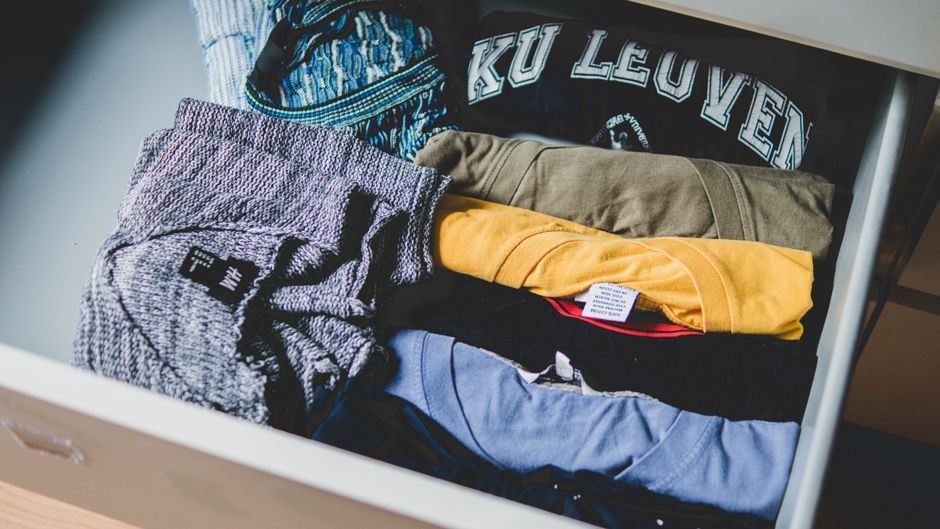
Versatile staples vs. statement pieces
Prioritize items that mix with your existing wardrobe. A versatile coat or neutral dress can anchor multiple outfits. Statement pieces should complement, not overpower, your look. USA news provides context on community markets and what pieces tend to pop up where you live.
- A neutral trench that goes with denim and skirts
- A bold top that elevates simple trousers
- A durable pair of boots for multiple seasons
Think about materials and care: wool blends, cottons, and durable synthetics age well with proper cleaning. Reserve delicate fabrics for specialty stores or higher-budget pieces.
Balance is key: one bold piece per season keeps your closet dynamic without clutter.
- Choose items that pair with at least three outfits
- Prefer durable fabrics
- Plan care routines before purchase
Budgeting for quality on classifieds
Set a monthly limit that fits your wardrobe goals. Prioritize pieces you’ll wear weekly rather than seasonal novelties. Allocate a portion for tailoring if needed to maximize value.
Compare prices by condition and era; a well-kept vintage item can outperform newer fast fashion in longevity. Don’t chase the cheapest option if it compromises fit or fabric.
Track your spending in a simple log to avoid impulse buys.
- Define a monthly cap
- Value longevity over novelty
- Record alterations and their costs
Safety and etiquette
Safe buying practices
Always meet in public, bring a friend, and inspect the item thoroughly before paying. Favor cash deposits only when you trust the seller and have clear return terms. publish local events in the USA can boost your visibility if you host pop-ups or styling meetups.
Use social proof from the listing—clear photos, consistent descriptions, and recent activity—to assess legitimacy. If something feels off, walk away. Your wardrobe is not worth a bad deal.
- Meet in busy, public spaces
- Inspect item before transferring money
- Request recent photos if listing is sparse
| Option | Pros | Cons |
|---|---|---|
| Vintage coat | Unique style, durable | Higher care needs, longer search |
| Designer upcycled tee | Eco-friendly look | Varies in sizing, sometimes pricey |
| Everyday denim | Versatile | denim fades with washing |
Etiquette for listings
Be courteous in messages and specific about what you want. Brief notes help sellers respond faster and keep listings honest. Leave feedback and thank sellers for a smooth transaction to encourage fair dealings.
If you buy, follow through with pickup times and avoid canceling last minute. Clear communication protects both sides and keeps your local market healthy.
- Ask concise questions
- Offer flexible pickup times
- Respect processing times and contact rules
Compare similar items across local classifieds to gauge value; small differences in fit or label can save money if you know what to prioritize.
Budget-friendly styling options

Smart capsule picks to search
Begin with a clear plan for your budget and style goals. Look for versatile pieces that mix and match across outfits, such as a tailored blazer or a classic midi dress. Try new silhouettes in inexpensive fabrics to test how they translate with other wardrobe staples. promote your business in the USA can help you connect with nearby sellers and buyers in fashion circles.
Compare similar items across local classifieds to gauge value; small differences in fit or label can save money if you know what to prioritize. Think in terms of durability and timelessness rather than novelty trends. This approach helps you assemble a cohesive capsule wardrobe without overspending.
- Set a hard max spend per piece
- Prioritize neutral colors for mix-and-match
- Check measurements and return options
- Inspect fabric and seams for wear
Sustainability and care
Care that extends a garment’s life
Careful washing and gentle handling can dramatically extend how long a piece remains wearable. Separate delicate fabrics from heavy items to prevent pilling and snagging. Air dry when possible to avoid heat damage and wrinkles that shorten a garment’s life. funeral notices in the USA
Repairing small flaws beats discarding perfectly good clothing. Learn simple mends like resewing a loose button or reinforcing a seam. A small investment in tools can save multiple items from ending up in the discard pile.
Organize a care routine that fits your lifestyle; a weekly check of items you reach for most keeps your closet season-ready without waste. Use color-safe detergents and freshen fabrics with light steam to maintain look and feel.
- Repair minor issues promptly
- Use appropriate wash settings
- Air dry when feasible
- Store clean garments properly
Creative upcycling ideas
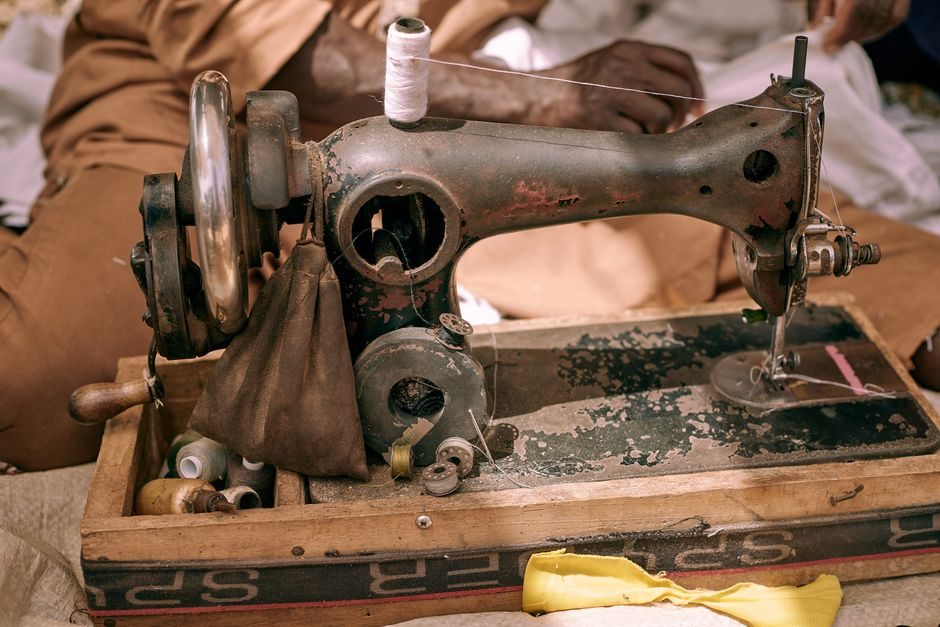
Transform standout DIY projects
Upcycling lets you personalize thrift finds into one-of-a-kind pieces. Start with simple changes like shortening a sleeve or removing a pocket to refresh a garment’s silhouette. This keeps the item relevant without a new purchase.
Experiment with adding or removing hardware, like replacing buttons or changing zippers, to alter a piece’s mood. Choose colors that complement existing wardrobe staples for cohesive outfits. Each tweak teaches you what signals style and suitability for your body.
Document your process with notes or photos so you can repeat successful tweaks or adjust later. This habit makes upcycling a repeatable skill rather than a one-off experiment.
- Start with easy alterations
- Match new hardware to wardrobe
- Keep a photo log
- Test one variable at a time
Seasonal timing and drops
Timing your thrift hunts
Seasonal waves shape what appears in local classifieds, so plan around fashion calendars rather than impulse buys. In late season, sellers offer pieces at lower prices as wardrobes rotate. Use that rhythm to target coats and boots when your closet needs a reset.
Preview items during the week and scan the weekend listings when activity spikes. The best finds often appear when people have free time to respond to inquiries and arrange meetups.
Keep a diary of what you bought and how it wore over a season; this helps calibrate what to hunt next time.
- Shop off-season for major pieces
- Watch for price drops after holidays
- Bundle items for faster sales
- Record wear and fit over time
Frequently asked questions
Do local classifieds offer authentic fashion items or are they mostly secondhand?Most listings are secondhand, and you can find authentic fashion pieces if you inspect labels, garment care, and seller history. Look for trusted brands in good condition and compare prices with secondhand markets to gauge value. A careful buyer can assemble a stylish, affordable wardrobe with minimal risk.
What should I do if a listing disappears after I inquire?If a listing vanishes, note the time and price window, then search for similar items by the same seller or nearby posts. Reach out again to see if the item is reposted or if the seller has a similar piece. Stay aware of your patience and keep alternatives ready.
How can I stay within budget while shopping locally?Set a strict per-item limit and prioritize versatile pieces. Filter searches to items that complement your existing closet and avoid impulse buys. Regularly review saved searches to catch price drops and seasonal clearouts.
Are there safety tips specific to meeting sellers in person?Meet in busy public places, bring a friend if possible, and inspect the item before payment. Use cash or a payment method that offers buyer protection, and avoid sharing personal details beyond what is needed for the sale.
Next steps for savvy shoppers
Take the plan you’ve built here and test it this weekend: browse two neighborhoods, message three sellers, and compare at least two similar items.
When you find something you love, set a clear condition check—fit, fabric, and condition—and document it with a quick photo log for future reference.
Add WordPress Themes & Plugins as a preferred source on Google


