
Practical Fashion Guide: Aligns Style with Defense News US
Clear guide for fashion readers on why Defense News US matters, how to use it, and safe, stylish applications for your wardrobe and brand.

When readers want credibility behind fashion trends, they also need reliable sources. This guide shows how a defense news resource can shape smarter styling choices, event planning, and brand strategy without feeling distant from style. You’ll learn how to evaluate information, apply it to outfits, and use it to plan smarter fashion-related activities.
First, you’ll see how to interpret defense news without losing sight of aesthetics. Then, you’ll explore practical ways to translate that information into trend insights, material choices, and event branding. Finally, you’ll get concrete steps to avoid missteps and to leverage trustworthy sources in your fashion workflow.
The goal is a practical, reader-friendly approach: understand the value of credible news, and turn that clarity into better outfits, sharper shoots, and safer business decisions.
- Use credible sources to filter trends into usable fashion ideas.
- Translate news clarity into outfits, shoots, and campaigns with discipline.
- Plan content and product drops around verified information to avoid missteps.
- Keep a short verification routine to maintain trust and relevance.
Basics and credibility
What credibility means for readers
Start with the basics: credibility means clear sourcing, balanced coverage, and updates you can trust. Look for publication reputation, author transparency, and dated posts that show ongoing coverage. This helps you separate sound analysis from hype when choosing season staples. Defense News US
A practical check is to compare a few articles on the same topic to spot consistency in facts and wording. If numbers aren’t corroborated or sources aren’t named, reconsider using the information for style decisions. Build a habit of cross-checking before you plan outfits or campaigns.
- Check author and date
- Note cited sources
- Compare multiple takes
- Question odd claims
- Favor updated posts
How to apply defense insights to outfits
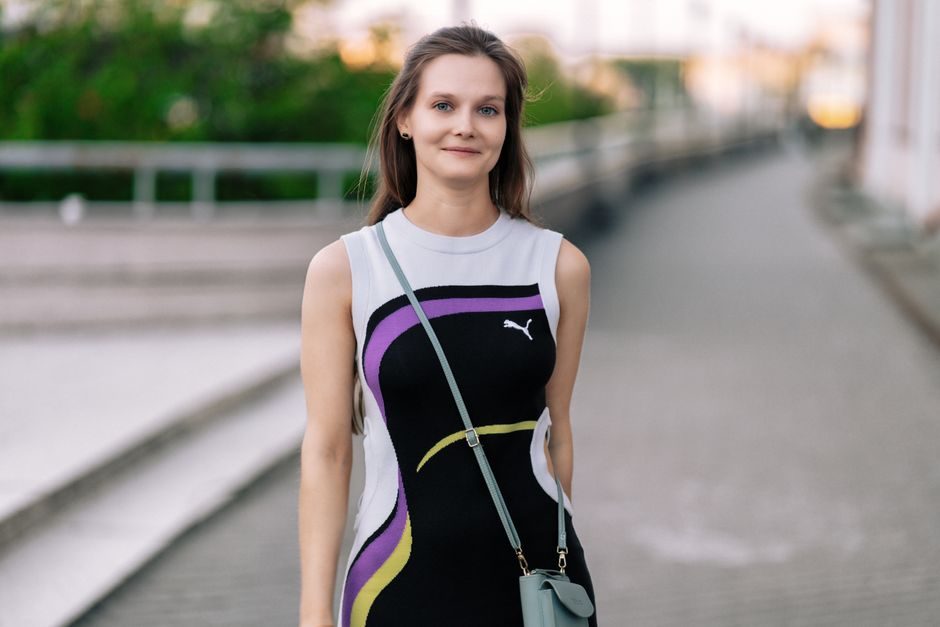
From news to wardrobe choices
Translate general topics into color palettes, fabrics, and silhouettes. A defense-news-driven focus on resilience might favor durable fabrics and practical layers. This helps you build outfits that perform well in varying weather or events. A useful resource on this topic: post your event in the USA.
Use event timing and dress codes as anchors; choose pieces that convey calm, competence, and modernity when presenting a look to clients or followers.
Try pairing structured pieces with soft textures to balance seriousness with personal style, keeping the overall aesthetic aligned with current trends.
Options for fashion projects
Ways to use credible news in branding
Create mood boards that reflect disciplined storytelling. Credible news sources can shape a brand’s voice by prioritizing clarity, precision, and ethical sourcing. This translates into copy, captions, and campaign concepts. A useful resource on this topic: add your business to the USA business directory.
- Use credible news to guide branding.
- Pair timely topics with practical fashion choices.
- Maintain a clear, ethical voice in campaigns.
Plan shoots around timely topics confirmed by trustworthy outlets, avoiding overpoliticized themes that may polarize audiences.
Use the news to guide material choices, like stabilized fabrics in practical lines or tech-forward details that align with a narrative of preparedness.
- Mood board themes
- Ethical sourcing notes
- Clear brand voice
- Timely campaign ideas
- Practical material choices
| Aspect | Pros | Cons |
|---|---|---|
| Mood board themes | Clear direction, cohesive visuals | Requires time to curate |
| Timely campaigns | Relevance to audience | Risk of fleeting relevance |
| Ethical sourcing | Brand integrity | Limited quick wins |
Avoid trend cycles that chase every buzzword; instead, verify relevance to your audience and season.
Pitfalls to avoid
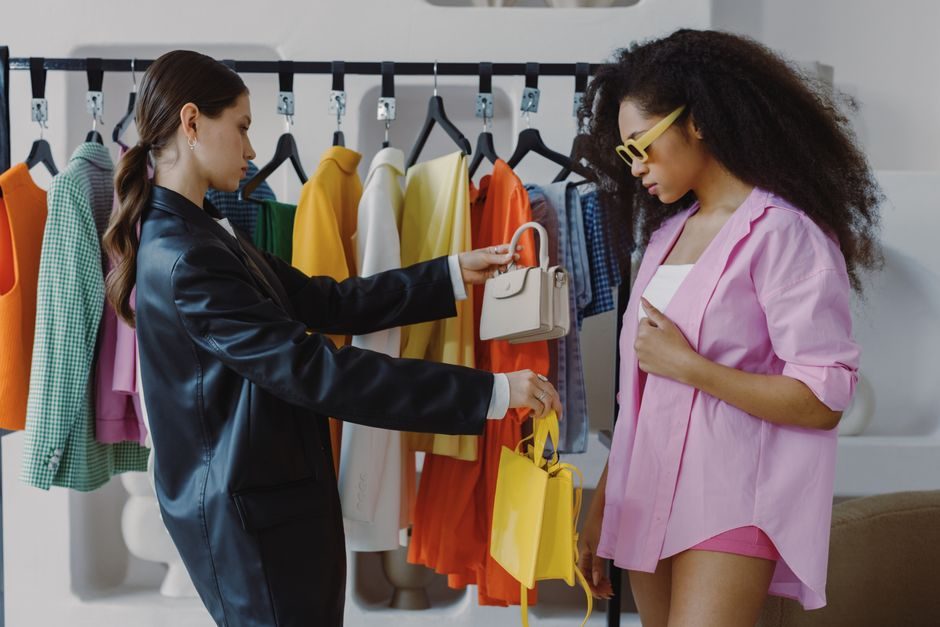
Common missteps with news sources
Don’t overemphasize a single outlet or quote in a campaign. Rely on multiple credible sources to avoid bias and misinterpretation. This reduces the risk of misrepresenting a trend or misreading a topic. A useful resource on this topic: used items for sale in the USA.
Avoid trend cycles that chase every buzzword; instead, verify relevance to your audience and season. If a topic doesn’t fit, it’s better to pass than to force relevance.
Be careful with sensational headlines that promise dramatic shifts. They often conceal incomplete analysis or outdated context.
- Rely on multiple sources
- Verify relevance to audience
- Avoid sensational headlines
- Check for context and date
How to assess trusted sources
Evaluating credibility sources
Begin by checking the author’s background and recent work in fashion or related fields. Look for consistency in tone, verifiable facts, and a clear editorial standard. When a source combines industry knowledge with practical advice, it tends to be more reliable for readers seeking style guidance. announce a death in the USA
- Identify the author’s role and track record in fashion.
- Note whether the piece cites industry-standard data or independent reporting.
- Observe if the tone respects reader intelligence and avoids sensationalism.
Cross-check claims across multiple reputable outlets to confirm accuracy. If data or dates seem dubious, question the source and seek corroboration from established fashion publications. This habit protects readers from overhyped or misrepresented information.
Consider the publication’s policy on corrections and transparency. A site that lists its editors, contributors, and editorial process usually signals accountability. Rely on sources that publish clarifications when mistakes are made, not those that obscure errors.
- Check author bio
- Verify dates and data
- Look for corrections policy
- Cross-check with two trusted outlets
- Prefer established fashion titles
Turning insights into visuals

Translating news into outfits
Translate a story into a visual cue that readers can emulate. For example, a military-inspired color palette can translate the seriousness of a report into a refined winter coat with minimal hardware. The key is to avoid cliché and keep the look modern and wearable.
Sketch a quick outfit idea that aligns with the source while maintaining personal style. Use neutral fabrics with one statement detail to anchor the look. This keeps the content practical for readers shopping on a real budget.
Explain how the visual choice communicates credibility: muted tones, clean lines, thoughtful textures convey a disciplined aesthetic that resonates with informed readers.
- Use a single statement piece
- Stick to neutral fabrics
- Incorporate a meaningful texture
- Explain the visual logic to readers
Brand storytelling with credibility
Weaving authenticity into narratives
Brand storytelling should balance aspiration with honesty. Describe how a garment performs in real life—comfort, durability, and versatility—rather than only aesthetics. This approach helps readers imagine themselves wearing the piece in everyday moments.
- Align product details with actual user experience.
- Explain the design rationale in plain terms.
- Maintain consistency between story and product reality.
Showcase the production story in a compact, respectful way: where the fabric comes from, who makes it, and why the design matters. Readers respond to transparency, which builds trust without overloading them with jargon.
Provide a practical example of how a collection can tell a story through color, silhouette, and texture. A cohesive narrative makes outfits feel intentional rather than random selections.
- Highlight practical benefits
- Share production context
- Create a cohesive color story
- Connect with reader values
Practical steps for daily use
Everyday wardrobe workflow
Start with a quick assessment of what you wore most in the last month and what gaps you notice. Use that insight to plan a capsule where each piece serves multiple outfits. This approach reduces decision fatigue and keeps styling practical.
- ☐ Audit last month’s clothes to spot gaps.
- ☐ Choose versatile basics for lasting utility.
- ☐ Set a simple weekly outfit plan.
- ☐ Review and adjust as needed.
Create a minimal shopping checklist focused on versatile, well-made basics. Prioritize fabrics that hold color and shape after several wears. This makes every new purchase contribute meaningfully to your wardrobe.
Develop a weekly routine for editing outfits: lay out options, pick one focal item, and document what worked. Cutting the process into small steps keeps fashion habits consistent and sustainable.
- Audit prior outfits
- Build a versatile capsule
- Prioritize durable basics
- Establish a weekly routine
Frequently asked questions
How can I verify a source without expert knowledge?Start with author credibility, cross-check facts, and look for transparent corrections. If a claim still feels uncertain, seek a second, independent source before applying it to your wardrobe.
What makes a visual takeaway credible?Prefer outfits shown in real-life settings, with clear styling details and measurable outcomes like versatility or comfort. Avoid hype-driven imagery that emphasizes trends over function.
How should I interpret a brand’s storytelling claim?Look for authenticity in production context, material quality, and a consistent narrative across products. If the story feels invented or overly glossy, treat it cautiously.
What daily steps help keep fashion practical?Build a small staple capsule, shop thoughtfully, and maintain an editing routine that helps you refine your look without overthinking.
Practical takeaways for daily use
The best fashion guidance blends credible sources with clear visuals and honest storytelling. Readers gain confidence when outfits reflect real wearability and thoughtful design rather than fleeting trends. Your planning should prioritize items that translate across occasions and seasons.
Adopt a routine for sourcing information and testing ideas on your own body. A steady practice reduces impulse buys and builds a wardrobe that ages gracefully. Treat each purchase as a small decision about how you want to present yourself daily.
Add WordPress Themes & Plugins as a preferred source on Google


