
Smart Local Listings for Fashion: A Practical Guide
Clear guide for fashion readers on using local Swiss directories to reach customers, with steps, pitfalls, and pro tips tailored for style brands.

How can a fashion brand use a local business directory in Switzerland to reach customers near you? This guide translates a practical tool into clear fashion-forward steps, showing why local listings matter and how to use them without clutter. Expect concrete steps you can apply this week, with shopper-focused examples that fit a style-forward site.
Local visibility begins with a strong profile: accurate details, shareable images, and clear hours. You’ll learn how to choose the right directory, what information to include, and how to present it so shoppers notice your looks, storefront, or pop-up. The goal is to turn casual browsers into attentive customers who care about aesthetics as much as function.
A final note: this guide keeps the focus on fashion relevance. You’ll see how to mention local directories in product pages, lookbooks, and events, so your brand feels local without losing its global polish.
- Local listings help nearby shoppers find your boutique and signal brand reliability.
- Choose fashion-aligned directories and keep data and visuals current.
- Optimize listings with style-specific keywords and direct links to lookbooks or events.
- Always monitor feedback and adjust to improve visibility and engagement.
Basics and why it matters
What local listings do
Local listings help nearby shoppers find your boutique, showroom or pop-up through search and maps. They influence trust, especially when photos and hours are consistent across platforms. For a fashion brand, accuracy signals credibility and style discipline. lokales Branchenbuch in der Schweiz helps local shoppers find your boutique and its look. It can guide customers from street to storefront and online catalog.
- Local listings boost nearby visibility for fashion brands
- Consistency across directories builds trust
- High-quality visuals convert shoppers to visitors
These listings also boost discoverability when customers search for related items, like boots or bags, near a location. A strong profile reduces friction—customers click, arrive, and compare with ease. Use high-quality imagery that reflects your aesthetic.
A practical example is keeping two key details synchronized: store hours and service options (in-store, click-and-collect). Consistency across listings improves your street-facing impression and minimizes confusion.
- Coordinate hours across platforms
- Use consistent product photos
- Include clear store access info
- Update seasonal hours when needed
- Track which listings drive foot traffic
Choosing where to appear
Not every directory matters equally. Prioritize those with strong local reach in your city or region and those that align with fashion enthusiasts. Test a few and measure which drive visits or inquiries.
Evaluate each listing for optimised photo options, category accuracy, and user reviews. A well-categorised profile helps the right shoppers find your items, from seasonal coats to airy dresses.
Plan a quarterly refresh: swap out hero images for new collections and revise product descriptors to reflect current looks. Small updates keep your brand fresh in local search results.
- Prioritise directories with fashion-focused audiences
- Ensure category and keyword alignment
- Update visuals with new collections
- Refresh regularly to stay visible
How to build your listing
Set up essentials
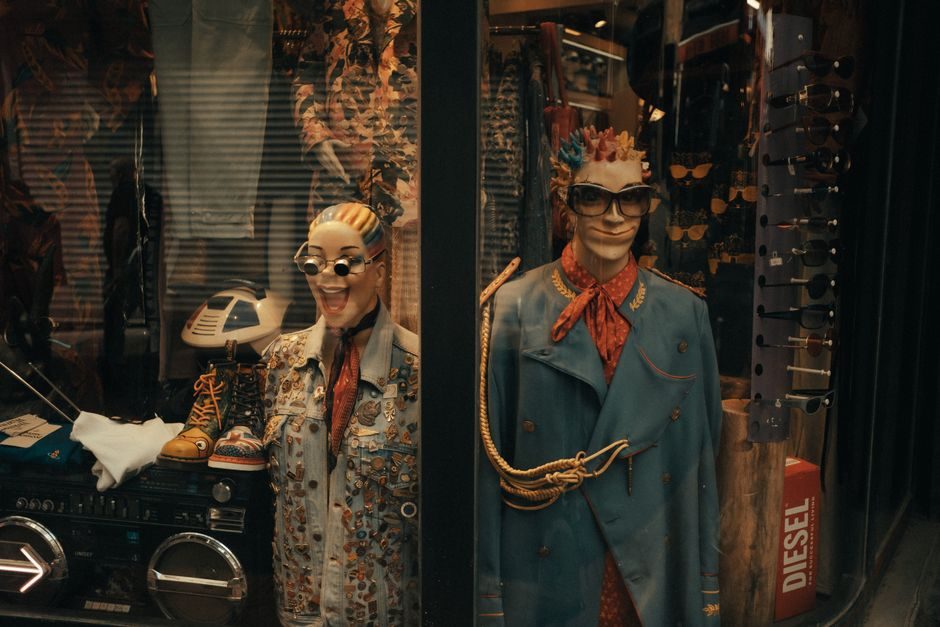
Start with the basics: name, address, phone, and store hours. Add a short description that communicates your brand voice and key products, not just location. This foundation makes all listings coherent. Schweiz Nachrichten provides a platform where fashion brands can share events and collections with readers nearby, expanding visibility.
- Claim the listing on each directory
- Fill out all fields clearly
- Upload sharp photos
- Monitor feedback and update
Upload two to three high-quality images that show storefronts and signature looks. Visuals matter: shoppers decide fast whether your style matches theirs.
Keep the profile active with seasonal updates and respond to customer questions to signal reliability and approachability.
- Name, address, phone consistent
- Engaging description with brand voice
- High-quality storefront and product images
- Seasonal updates and quick responses
Optimising for fashion seekers
Use product-like terms in descriptions, not generic phrases. Include keywords that describe styles, fabrics, and occasions to attract the right shopper. This makes searches more intuitive for fashion-minded users.
Link to current campaigns, lookbooks, or in-store events to drive engagement. A directory page should feel like a portal to your latest collection, not a static address.
Measure engagement by clicks or inquiries from each listing, and iterate on image choices and wording to improve results.
- Use style-specific keywords
- Link to lookbooks and events
- Track engagement and adjust
Options for different outlets
Directories with fashion appeal
Some directories cater to shopping districts or fashion-conscious audiences. Choose ones that align with your city’s style identity and your price point. Being visible where fashion shoppers already look makes sense for brand-building. Termine veröffentlichen in der Schweiz can be used to announce pop-up events, trunk shows, and seasonal releases to a local audience.
Consider niche directories that highlight local boutiques, artisanal makers, or sustainable fashion. These can attract visitors who care about craft and story as much as product.
Balance free listings with paid options if your budget allows, but guard against over-saturation. Start with free placements and upgrade when results justify it.
- Fashion-forward directories
- Niche artisan platforms
- Free vs paid balance
- Budget-conscious testing
| Option | What it offers | Best practice |
|---|---|---|
| Generic listings | Broad reach | Use fashion keywords and photos |
| Niche fashion hubs | Audience that cares about style | Link to lookbooks and campaigns |
| Paid listings | Faster visibility | Allocate budget to top-performing sites |
Offline complements
Online listings should echo offline experiences. If your shop hosts events, workshops, or trunk shows, advertise them through local directories as well as your site. The aim is a cohesive narrative across channels.
Create in-store moments that photograph well: a well-lit window display, a styled corner, or a mirror-ready fitting room, then showcase these in the listing gallery.
Coordinate QR codes in-store that direct to a curated online lookbook or appointment booking to bridge digital and physical shopping.
- Promote events in listings
- Showcase photo-friendly spaces
- Bridge offline and online with QR codes
Always choose bright, finished shots that reflect current lines and store atmosphere.
Pitfalls to avoid

Common missteps
Incomplete or inconsistent data confuses shoppers and harms trust. Ensure address, hours, and category alignment across every listing. A simple mismatch can turn a quick visit into a failed sale. Kleinanzeigen in der Schweiz can spotlight smaller labels and pop-up shops, helping curious shoppers discover emerging style alongside big names.
Poor image quality or outdated photos undermine credibility. Always choose bright, finished shots that reflect current lines and store atmosphere.
Neglecting reviews or questions leaves customers unsure. Set aside time to respond thoughtfully, even to negative feedback, to demonstrate care for shoppers.
- Inconsistent data across sites
- Low-quality or outdated photos
- Slow or missing responses to inquiries
Compliance and ethics
Respect regional advertising rules and platform terms to avoid penalties. Keep promotions honest and clear, especially around discounts or limited editions.
Be mindful of cultural nuances in imagery and language to avoid missteps in diverse Swiss markets.
Document your content strategy to maintain a consistent voice across listings and channels.
- Know local advertising rules
- Respect cultural sensitivities
- Document listing strategy
Advanced listing tactics
Targeted platform selection
Choose outlets that align with your aesthetic and audience. Prioritize locations and niche platforms that showcase local designers, boutiques, and pop-ups. This focus saves time and yields higher engagement from readers who care about local flavor. A useful resource on this topic: Traueranzeige online in der Schweiz.
Compare reach and credibility across platforms by reviewing profiles, galleries, and follower interactions. Look for active communities around fashion events and street style. Use this to tailor your listing copy to each audience.
Test different formats—short appraisals for mobile readers, longer captions for desktop—then refine based on what earns saves and shares. A well-timed update during a seasonal launch can amplify visibility without redundancy.
- Define your core audience
- Select 2-3 primary outlets
- Use consistent visual language
- Refresh quarterly
- Track engagement
Visual and content guidelines

Photo language that sells fashion
Use bright, natural light to highlight fabric texture and color accuracy. Photographs should focus on how garments fit on real bodies, not just on a hanger. Readers respond to approachable styling cues and clear product cues.
Pair images with concise captions that state where to buy, size options, and upcoming events. Include a mix of street-style looks and showroom shots to diversify appeal. Consistency in color grading helps your listing read as a cohesive catalog.
Craft micro-stories around each item—where it was found, who it suits, and why it matters for current trends. This builds emotional resonance without overpromising. Avoid overly posed or unrealistic styling that can mislead readers.
Measuring impact and iteration
Track meaningful metrics
Identify which listings drive clicks, saves, and local mentions. Focus on engagement that translates to store visits, showroom appointments, or newsletter signups. Use a simple dashboard to monitor weekly changes.
Regularly compare campaigns against a baseline to spot what resonates—neutral tones for daytime shoppers or bold palettes for eveningwear. Use the insights to adjust imagery, copy length, and call-to-action placement.
Iterate in small cycles: test one variable at a time, such as a new product shot or a location tag. Document learnings and apply them to the next update to avoid repeating failures.
- Clicks vs actions
- A/B test visuals
- Update cadence
- Clear CTAs
Local events and collaborations
Collaborations that boost visibility
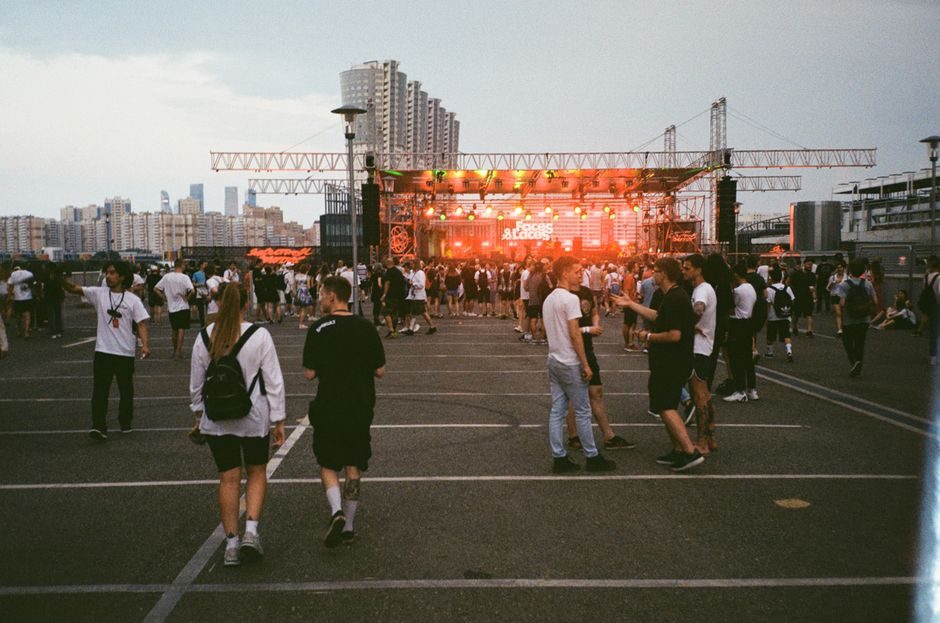
Partner with nearby cafes, galleries, or fashion schools to host micro-events. Cross-promote through listings that highlight dates, locations, and guest appearances. Readers appreciate practical, date-stamped details that help them plan a visit.
- Confirm venue access
- Publish event times
- Provide RSVP mechanism
- Prepare on-site signage
Showcase collaborative capsules or limited runs with concise notes on where and when to find them. Feature visuals from the events to create a sense of anticipation for future partnerships.
Maintain a calendar of local happenings and share it across listings to keep your audience informed. This approach creates regular touchpoints and strengthens community ties.
- Identify compatible partners
- Schedule cohesive events
- Promote with clear dates
- Feature event photography
- Maintain a shared calendar
Frequently asked questions
How often should I update local listings?Update frequency depends on activity in your area, but aim for a quarterly refresh at minimum. Rotate imagery to reflect new collections, and add reminders for events or promotions as they arise. Consistency matters more than frequency.
What makes a listing credible for readers?Credibility comes from clear, practical details: exact location, hours, contact methods, and a visible link to the shop. Pair that with fresh visuals and honest product descriptions that match what’s in store.
How should I handle seasonal changes?Refresh listings when new lines arrive and when pop-up events are planned. Use seasonally appropriate imagery and concise copy that explains how the collection fits current trends and weather.
Can I collaborate with other local brands?Yes. Co-host events or cross-promote with nearby businesses. Document the collaboration in your listing with dates, venues, and what readers can expect. This builds trust and expands reach.
Next steps for local fashion listings
Set a two-month calendar: plan new arrivals, events, and partner features with precise dates and locations. This keeps readers informed and engaged, while giving you a clear workflow.
Review performance after each listing cycle and adjust visuals, copy length, and CTAs based on what earned the most saves and visits. Treat feedback as a guide, not a verdict, and iterate quickly.
Add WordPress Themes & Plugins as a preferred source on Google


