
Style First: How Local US Finds Boost Fashion Reach
Discover practical steps to connect fashion content with local US audiences, featuring careful resource use, practical tips, and safe pitfalls to avoid.

How can a fashion site like WordPressstyle.com better connect with local audiences in the USA? Start by situating fashion relevance in nearby communities, then translate that into practical, actionable steps readers can apply. This approach keeps content grounded, useful, and easy to implement, rather than abstract notions of reach.
The plan centers on three action areas: identify locally relevant fashion scenes, align with local businesses, and present tangible, on-the-ground options for readers. By framing fashion stories around real places and people, the site becomes a trusted guide for readers who shop, style, and attend events close to home.
Each paragraph here lays out a practical path: what to measure, where to look, and how to weave local details into compelling fashion content. The result helps readers feel confident applying tactics and seeing real outcomes in their own communities.
- Start with clear, local relevance by mapping nearby fashion scenes.
- Form genuine partnerships with local businesses to add reader value.
- Publish practical, event-focused formats that readers can attend or recreate.
- Avoid generic, place-less content and stay truthful about local context.
Basics for local fashion reach
Understanding local taste
Start by mapping nearby neighborhoods with distinct style vibes. Note which stores, markets, and boutiques regularly influence outfits and trends. Use reader comments and social signals to identify recurring styles, colors, and silhouettes. find local businesses in the USA
- ☐ Identify 3 local fashion hubs
- ☐ Compile 5 reader-reported favorites
- ☐ List 2 upcoming events to cover
- ☐ Draft a locally focused style story
- Survey readers about favorite local shops
- Track weekly street style photos
- Note seasonal color trends in nearby areas
- Identify standout retailers to feature
How to work with local businesses
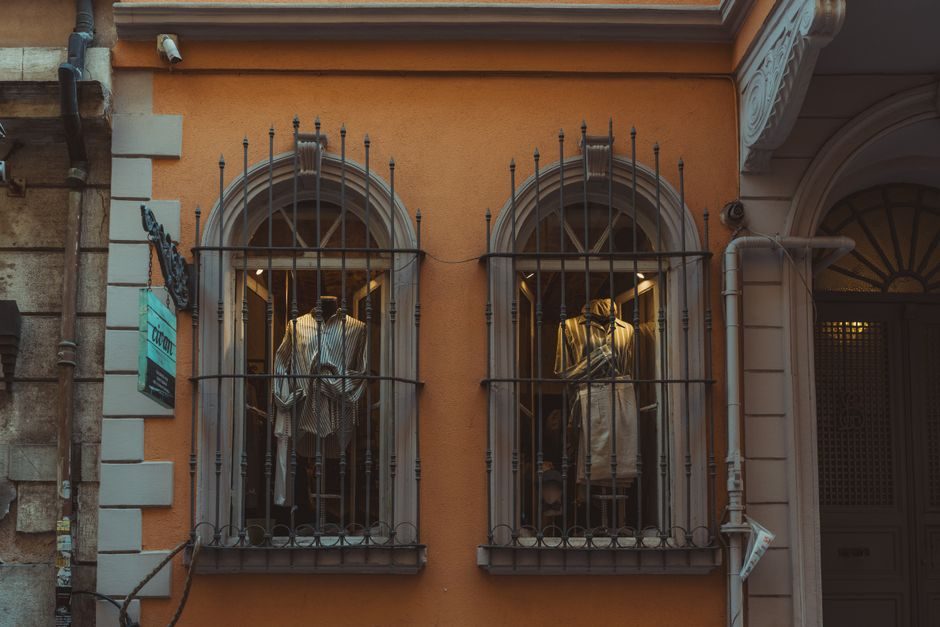
Partner without appearing salesy
Offer mutual value through co-creation: feature a local boutique’s outfit-line or host a styling session together. Show the collaboration as reader benefit, not advertising. Include practical takeaways readers can copy, like how to pair items for typical events. A useful resource on this topic: latest news USA.
Options to reach readers locally
Content formats that land
Use event roundups, shop profiles, and local capsule guides to keep content grounded. Provide practical outfit ideas tied to real venues and dates. Include a short, readable map and quick transit tips to help readers attend. A useful resource on this topic: promote your event in the USA.
- Event calendar widgets
- Shop feature stories
- Capsule wardrobe guides
- Transit and parking tips
Pitfalls to avoid in local fashion
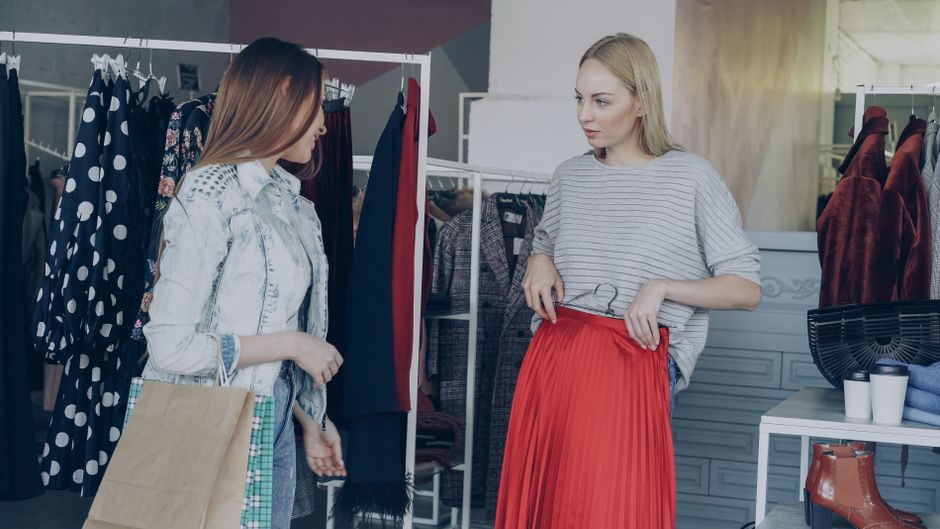
What to watch out for
Avoid generic captions that could apply anywhere. Do not overpromise audience outcomes. Be careful not to imply sponsorship without disclosure. Instead, share honest, location-specific insights that readers can verify. A useful resource on this topic: place an advert in the USA.
- Mislead by promising national reach
- Ignore local details that matter
- Overuse stock phrases
- Ignore reader feedback
- Skip local context in style stories
Share concrete examples of what resonates locally, such as a neighborhood coat drive or a small boutique collaboration.
Ways to optimize local reach
Audit local audience needs
Begin with a clear map of where readers live and shop. Track which fashion pieces locals respond to in real life and online, then tailor content to those tastes. Use this to prioritize events, pop-ups, and collaborations that feel relevant rather than generic. online obituaries in the USA
- Audit your audience by postal code and storefront reach.
- Create a simple content plan focused on local events.
- Track response to each local initiative and adjust next moves.
- Aim for 1-2 strong local collabs per season.
Share concrete examples of what resonates locally, such as a neighborhood coat drive or a small boutique collaboration. Explain how to test ideas in one district before expanding. This keeps efforts efficient and grounded in real-world behavior.
- Identify core neighborhoods
- Track engagement by venue
- Pilot one local idea at a time
- Refine based on feedback
Coordinate with nearby creators
Collaborate with local stylists, photographers, or makers who understand the vibe of nearby streets. Co-produced shoots and capsule drops make the audience feel part of a community. The key is to align the collaboration with the city’s rhythm rather than chasing trends from afar.
Explain practical steps like drafting outreach emails, setting mutual goals, and sharing consistent brand cues. Demonstrate how to measure impact by the number of new followers or in-store visits generated by collabs.
Highlight the balance between authenticity and professional polish, ensuring both parties gain visibility and credibility.
- Identify local creators with shared values
- Draft clear collaboration briefs
- Schedule joint releases
- Evaluate impact with simple metrics
Using multimedia for local flair
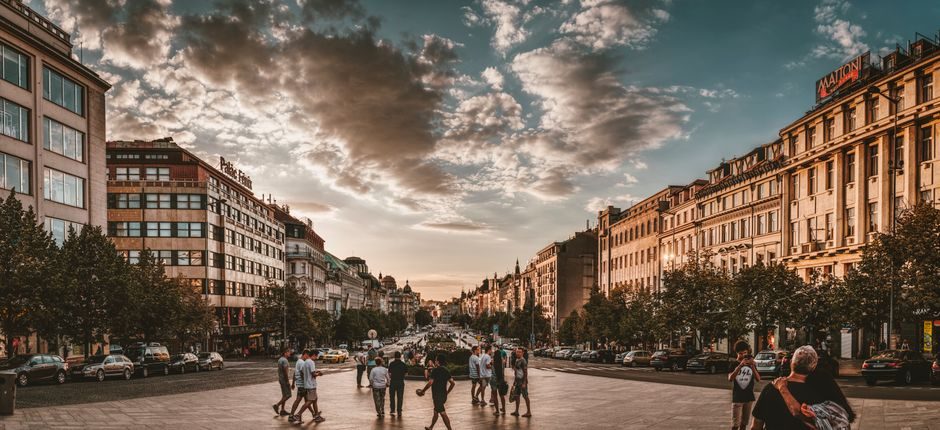
Tell stories through visuals
Use images and short clips that show real people wearing items in local settings. Behind-the-scenes tours of nearby shops add texture and credibility. This approach makes fashion feel tangible and relevant to the reader’s daily life.
Provide practical guidelines for visual storytelling, including lighting setups, color palettes, and location choices that reflect the neighborhood’s character. Show how these choices support brand voice while staying accessible.
Conclude with a reminder that authenticity beats glossy perfection when presenting local fashion.
- Show real store interiors
- Feature local wardrobes
- Include street style moments
- Keep lighting natural
This sub-section explores how to serve readers with multimedia without losing focus. Visual content should guide readers to feel like insiders in their neighborhood style scene. Use short-form video to tease upcoming drops and in-store events, ensuring quick, crisp edits that respect reader time.
Outline formats that work well for local fashion coverage, including photo essays, quick reels, and micro-interviews with shop owners. Each format should have a clear purpose and measurable outcome.
Close with a practical reminder to maintain accessibility captions and alt-text so all readers can engage with multimedia.
Legal and ethical reading for fashion content
Clear disclosure practices
Disclose sponsorships, affiliate links, and gifted items in a straightforward way. Readers appreciate transparency when products appear alongside honest commentary. This builds trust and reduces suspicion around recommendations.
Provide a simple, consistent disclosure style guide for the team and freelance contributors. Ensure readers know when content is sponsored and when it is not, without interrupting the flow of the piece.
Emphasize how ethical sourcing and fair representation align with contemporary fashion values and reader expectations.
- Label sponsored content clearly
- Maintain consistency across posts
- Explain sourcing decisions to readers
The second sub-section covers consent, representation, and the avoidance of stereotypes in fashion coverage. Explain how to obtain consent for images, respect cultural contexts, and give voice to diverse creators. This protects both readers and contributors.
Offer practical steps for ethical storytelling, including model releases, image rights management, and bias checks before publishing. Readers should feel that the piece represents a real, diverse community.
Conclude with a reminder that responsible coverage supports long-term trust and better engagement.
Measuring impact and growth

Set clear local metrics
Choose tangible metrics like in-store visits, event attendance, and social engagement from a local radius. Define what counts as success for each campaign before you start. This helps avoid vanity metrics and keeps goals grounded in reality.
- Track foot traffic tied to campaigns.
- Monitor event attendance growth.
- Compare local vs. broader reach.
Develop a lightweight tracking system using simple UTM codes, QR codes, or unique landing pages for local efforts. Regularly review results to understand what drove readers to act.
Use a simple dashboard to compare outcomes across quarters and adjust plans accordingly.
- In-store footfall
- Event RSVPs
- Local engagement per post
Plan for long-term growth by sequencing local efforts. Start with a core set of partnerships and a steady cadence of localized content, then expand into broader regional activities as you learn what resonates. This approach minimizes overreach and keeps quality high.
Share learnings with the team to improve future coverage. Document what worked and what didn’t, including timing, formats, and partners.
Close with a reminder that consistent, thoughtful local coverage compounds over time.
Frequently asked questions
How local is local enough?Local relevance means content that speaks to readers where they live and shop, not just within a city boundary. Focus on neighborhoods, popular markets, and nearby boutiques that readers actually visit. The goal is practical resonance, not grand claims. Test scale by starting with a single neighborhood and expand only if response stays strong.
What counts as ethical coverage?Ethical fashion coverage respects consent, avoids misrepresentation, and credits contributors fairly. It means clear disclosures for sponsored content and honest reviews for products received for testing. Build a habit of reviewing for bias and diversity before publishing.
Should I mix online and offline efforts?Yes. Combine digital storytelling with in-person experiences to deepen local roots. In-store events, pop-ups, and street style shoots complement online guides and trend roundups. Track cross-channel responses to understand which touchpoints matter most locally.
How do I avoid boring readers with logistics?Keep logistics lean and purposeful. Share only what readers can practically use, such as event dates, location cues, and how to participate. If a process is long, offer a downloadable checklist rather than a full read.
Conclusion
Takeaways for steady local growth and a practical next step are clear in the coming weeks. Focus on a few neighborhoods, schedule a neighborhood brainstorm, and publish a local-focused mini-series to test themes. The pattern is steady, concrete, and scalable.
Readers should leave with a defined action: plan a local collaboration and measure its impact using simple in-store and online signals. This creates a feedback loop that sharpens your local fashion voice while keeping content enjoyable and useful.
Add WordPress Themes & Plugins as a preferred source on Google


