
Submit events in the USA: a fashion-forward guide for planners
Clear steps to submit events in the USA for fashion-minded readers, with practical tips, options, and pitfalls to avoid.

You want your fashion event noticed, and this guide shows you how to submit it in the USA efficiently. You’ll learn where to post, what information to include, and how to present your date, venue, and style story for readers who care about trends. The result is a smooth process that helps your show attract attendees and press attention without jargon.
From choosing the right platform to crafting a crisp description, you’ll gain practical steps you can act on today. The guidance stays focused on fashion events, whether a pop-up, a runway showcase, or a studio presentation. Expect concrete examples and avoid guesswork as you plan your next public appearance.
As you move through this guide, you’ll build a checklist that keeps your event aligned with fashion readership expectations—visual impact, clear logistics, and a compelling narrative.
- This guide helps readers submit a fashion event in the USA with confidence, focusing on platforms, timing, and clear descriptions.
- It covers choosing the right format, presenting logistics, and avoiding common posting mistakes with practical steps.
- Readers will finish with ready-to-use templates, a planning checklist, and safety-minded tips for inclusivity.
- The content stays practical, avoiding hype while delivering concrete, actionable guidance.
Basics of listing an event
Choosing the right platform
Start with the platforms most read by fashion audiences. Look for sites that emphasize style, venue, and date details so readers can quickly see when and where the event happens. If you’re targeting industry press, include a brief invitation for media with contact options. submit an event in the USA
- Identify the primary platform for your audience
- Prepare a concise event description with key details
- Upload a high-quality image and venue info
- Publish and monitor for updates
If you plan multiple events, keep a single calendar feed to reduce confusion. A consistent listing format helps followers spot new dates at a glance.
Avoid listing duplicates on platforms that require heavy data entry; instead, focus on one primary channel and cross-link where appropriate.
- Choose a platform with visual-friendly templates
- Include venue, date, and entry details clearly
- Provide a short, engaging event description
- Add a high-quality image to attract attention
- Update the listing immediately if details change
Crafting a clean description
Write a short, vivid paragraph that explains what makes the event fashionable and timely. Readers should feel the mood, the venue, and the lineup with a few precise sentences.
Include practical logistics: doors open time, ticketing method, dress code, and accessibility notes. Clarity reduces back-and-forth questions and boosts attendance.
End with a one-sentence call to action that invites readers to learn more or RSVP, keeping the tone aligned with fashion storytelling.
- Lead with the event’s unique style or theme
- List essential logistics in a compact bullet list
- Keep the tone stylish but precise
- Provide a direct RSVP or ticket link
- Avoid jargon and keep readability high
How to present timing and venue
Positioning for impact
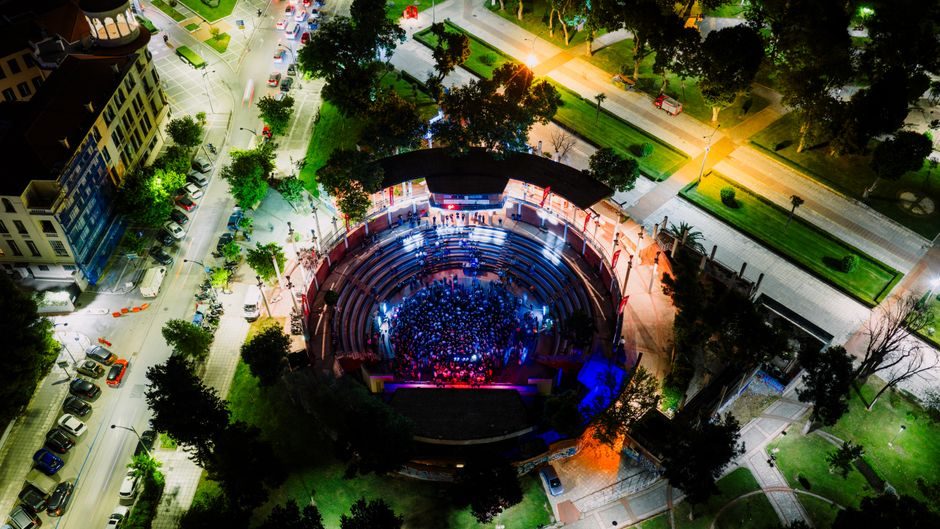
Describe how the event fits current fashion cycles or seasonal trends. This helps readers see relevance and makes your listing feel timely rather than generic. burbnews.com
- Lead with timing aligned to trends
- Describe venue ambiance succinctly
- Ensure access details are obvious
- Encourage readers to visualize the event
Mention the venue atmosphere and any design elements that affect photography or streaming. A vivid but brief image helps readers imagine the scene.
Clarify access: parking, rideshares, or transit routes. Accessibility fosters a wider audience and reduces friction.
- Tie timing to a trend arc
- Highlight venue visuals for photo-friendly content
- Provide clear access and arrival instructions
- Offer alternatives for attendees with mobility needs
Imagery and media notes
Fashion audiences respond to strong visuals. Include a note about photography policies and what shots you welcome or discourage.
Provide image guidelines: orientation, focal point, and any required alt text for accessibility.
If you offer a media RSVP, specify contact details and response times so press can plan coverage.
- Set photography guidelines early
- Provide alt text guidance for accessibility
- Offer a clear media RSVP channel
- Encourage high-impact imagery from the event
Options for different event types
Pop-ups vs. runway vs. showroom
Describe the differences in setup, crowd size, and promotion needs. Each format has distinct listing requirements and audience expectations. USA business listings
For pop-ups, emphasize location, duration, and exclusive products. For runways, focus on show timing, seating, and guest access. For showrooms, highlight designers, collections, and appointment scheduling.
Provide sample strings you can adapt for different formats to save time and ensure consistency.
- Specify format in the listing (pop-up, runway, showroom)
- Detail timing and access relevant to the format
- Tailor visuals to the format’s mood
- Keep branding consistent across formats
| Format | Key considerations | Best fit |
|---|---|---|
| Pop-up | Short window, high energy | Emerging brands and local audiences |
| Runway | Structured timing, live show | Established collections and media attention |
| Showroom | Appointment-based | Designer discovery and limited collections |
Budget-friendly options
Not all readers can afford big productions. Offer accessible angles like local hours, affordable ticket tiers, and a focus on emerging designers.
Describe cost-friendly elements such as shared venues, daylight photography, and curb appeal that doesn’t rely on lighting rigs.
Provide a short checklist to keep costs predictable while maintaining aesthetic appeal.
- Offer tiered ticketing
- Choose a simple venue
- Leverage natural light for photos
- Create a strong, cohesive look on a budget
Check platform rules to avoid disallowed content that could remove your listing.
Pitfalls to avoid
Overstuffing listings
Too much text distracts readers and dilutes the key details. Keep descriptions tight and scannable while preserving your voice. rooms and property to rent in the USA
Always include essential facts first: date, time, place, price, RSVP. Extra flair can follow in a single sentence.
Check platform rules to avoid disallowed content that could remove your listing.
- Prioritize core details
- Avoid long paragraphs
- Follow platform guidelines
- Test readability on mobile
Event timing misjudgments
Scheduling conflicts can kill turnout. Check major local events, holidays, and competing fashion happenings before locking dates.
Offer alternatives like pre-event previews or after-parties that don’t clash with bigger shows.
Communicate any schedule changes promptly to guests and media.
- Research local calendars
- Provide partial previews
- Communicate updates quickly
- Offer non-conflicting alternatives
Why submit events to fashion venues
Benefits for style calendars
Submitting events to fashion venues helps keep readers informed about timely happenings that influence wardrobes and shopping seasons. Curated listings build trust when readers see events tied to shows, pop-ups, and exclusive previews. The approach is practical: readers plan outfits around when and where these events occur. how to place an obituary in the USA
- Avoid vague titles: use the exact event name and venue
- Include a clear time window instead of generic evening
- State RSVP requirements clearly to prevent confusion
As a fashion site, you gain relevance by aligning events with trends, designers, and retail partnerships. Clear listings attract attendees who are actively shopping or refreshing their feeds for inspiration. Provide concise details: date, place, dress code, and link to RSVP to boost attendance.
A well-structured listing acts as a reference point for editors and contributors alike. It reduces back-and-forth and ensures consistency across posts. Readers benefit from a predictable format that fits into their busy schedules.
- Provide exact venue name and city
- Include start and end times
- Add a direct RSVP or ticket link
- Note any required credentials or doors open times
- Mention any style/theme notes for attendees
Digital tools for event listings
Platforms that suit editors
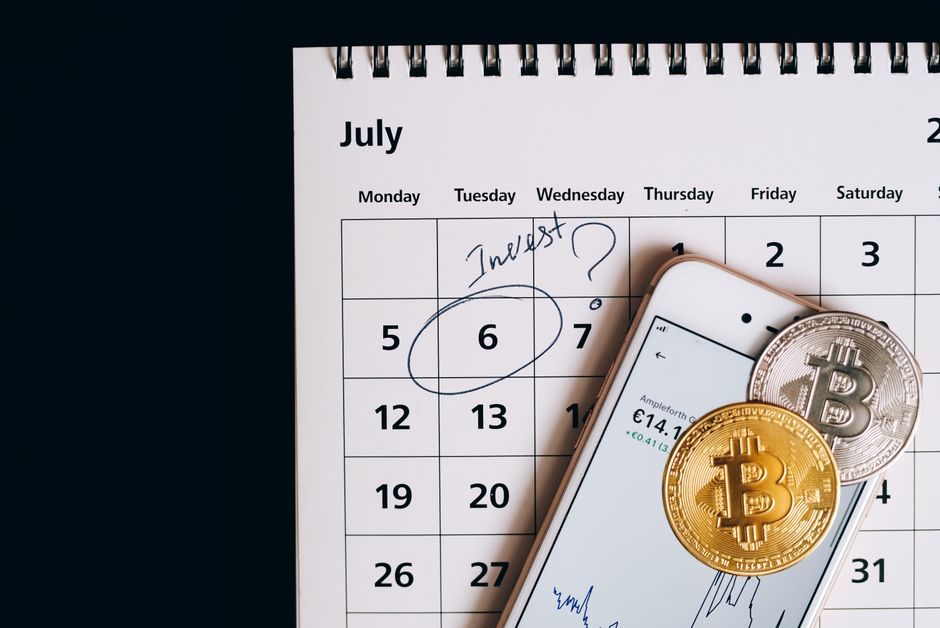
Choose tools that integrate with your CMS to publish event details quickly. Look for formats that support recurring events, ticketing, and map links. A simple template reduces errors when multiple editors contribute.
Opt for collaboration features: shared calendars, draft reviews, and version control. This helps avoid duplicate listings or outdated information. Test the workflow with a real event before going live to catch gaps.
Keep data tidy: standardize fields like date, venue, city, and category. Consistency makes it easier for readers to scan and for you to repurpose listings across social and newsletter sections.
- CMS-friendly templates
- Recurring event support
- Ticketing integration
- Map and venue links
- Role-based collaboration
Listing templates that fit fashion sites
Templates that read like fashion captions
Templates should read like fashion captions: concise, stylish, and informative. Start with the event name, then the key date and venue, followed by what makes it relevant to readers. Avoid jargon and keep language accessible to a broad audience.
Use consistent sections: what to expect, what to wear, how to RSVP, and where to find more details. A strong template helps readers quickly decide if the event fits their style week.
Finally, tailor the copy to your audience: emphasize designer guests, exclusive previews, and shopping incentives. Readers respond to clear value propositions, such as limited-edition drops or personal styling sessions.
- Event name, date, venue
- What to expect and dress code
- RSVP and ticketing links
- Where to find more details
- Visuals and media guidelines
Measuring event impact and reach
Trackable indicators you can use
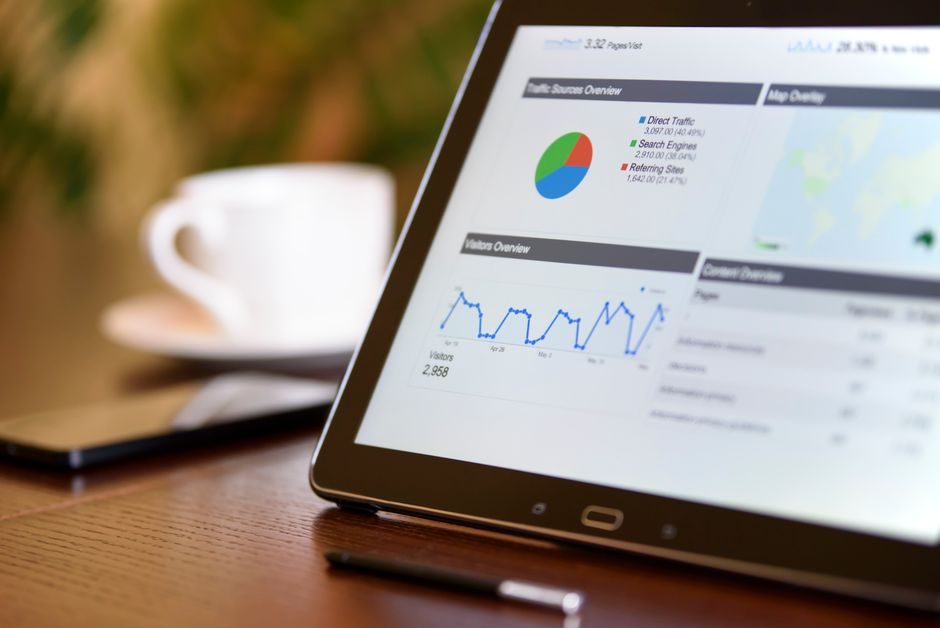
Start with reach metrics: page views, click-throughs, and social shares tied to the listing. These numbers show how widely the event appeals to readers. Use this to prioritize future listings.
Next, track engagement: time on page and scrolling depth reveal how compelling the copy is. Short, vivid descriptions tend to keep readers reading longer.
Finally, monitor conversions: RSVPs, ticket purchases, or signups via the listing page. Align future content with what readers actually attend or engage with.
- Page views
- Click-through rate
- Social shares
- RSVP conversions
- Time on page
Frequently asked questions
Who should manage event listings on the site?A small editorial team or a dedicated listings editor should verify event details, ensure consistency with the fashion voice, and update changes promptly. Clear ownership helps prevent stale or conflicting information.
What makes an event listing feel credible to readers?Credibility comes from precise venue details, dates, and a direct RSVP or ticket link. Readers also respond to context about why the event matters to fashion, such as designer guests or exclusive previews.
How far in advance should listings go live?Publish as soon as details are confirmed, with a note if any element is tentative. Update the listing promptly when new information is available to keep readers informed.
Should listings include multimedia?Yes. Include a clean hero image or mood shot that communicates the event vibe. High-quality visuals help readers decide if the event aligns with their style.
Conclusion
Publishers should treat event listings as an editorial resource that boosts reader planning and engagement. A consistent template helps editors move quickly while preserving voice and quality. The payoff is a more confident reader who can align outfits with upcoming happenings.
Start by piloting a revised listing format for major fashion weeks, then review reader interactions and refine fields and wording accordingly. The goal is to make every listing feel relevant, stylish, and actionable for a fashion audience.
Add WordPress Themes & Plugins as a preferred source on Google


