
Whats on in the USA: a fashion reader's practical guide
A clear guide for fashion readers: what’s on in the USA, how it matters for style, and simple steps to explore events, venues, and ideas.

Readers want ideas that fit a fashion calendar. This guide shows what’s on in the USA and why it matters for outfits, shoots, and seasonal planning. You’ll get practical steps you can apply this season, from event scouting to shopping smart.
The first question is simple: how do you spot relevant happenings without being overwhelmed? We break down essential sources, timing tips, and a fast filter to pick events that align with your style and budget.
By the end, you’ll have a reliable plan to track fashion weeks, pop-ups, and trend showcases across the United States, with concrete actions for the coming months.
- This guide helps you spot relevant fashion happenings in the USA and turn them into usable content for your site and shoots.
- You’ll learn where to find events, how to plan looks around them, and how to avoid common planning mistakes.
- Practical steps cover planning, shopping, and follow-through so you can create editorial-ready stories with confidence.
Basics: finding the scene
Planning your calendar
Start with major fashion hubs and city calendars to map key dates. Mark shows, markets, and talks that align with your own style notes. Use a simple spreadsheet to track venues, tickets, and travel time. what's on in the USA
- Identify a few core events each season
- Schedule ahead to balance travel and work
- Filter events to match your style and wardrobe needs
Begin with a weekly scan of trusted fashion sites and regional event boards. Note which events routinely attract designers or editors you follow, and which fit your budget.
Keep a running list of what you actually want to attend, not everything you see. Prioritize quality over quantity to avoid burnout and deadline pressure.
- Create a 6-month lookahead
- Set alert times for ticket drops
- Sync events with shoots or travel plans
- Discard events that clash with essential deadlines
Choosing sources
Start with official event pages and recognized fashion week calendars to avoid outdated listings. Compare at least two independent sources before committing. This helps you avoid duplicate tickets and misinformation.
Look for regional pop-ups and concept stores that run in-between major shows. They often reveal emerging aesthetics that can influence street style and editorials.
Create a short list of sources you trust for timely updates, then rely on that set rather than chasing every rumor on social feeds.
- Official calendars
- Independent guides
- Regional calendars
- Editorial roundups
How to plan looks around events
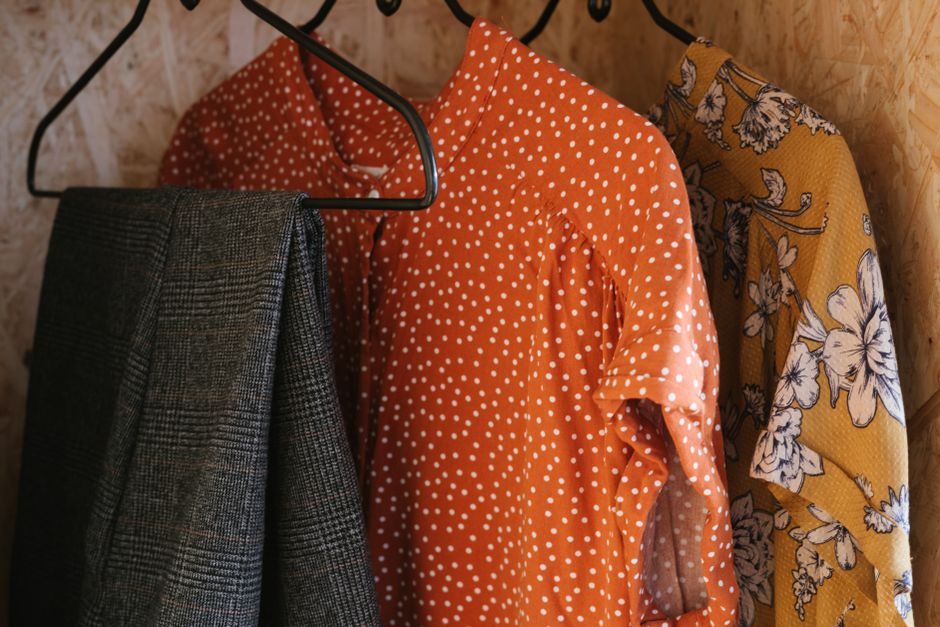
Coordinate outfits
Start with a neutral base and add one statement piece to fit the event’s mood. This makes photos cohesive across venues and days. USA news
- Check weather and venues
- Choose base neutrals
- Add statement piece
- Pack versatile layers
Plan outfits around location and weather to avoid last-minute tweaks. Layer pieces that can be mixed and matched for different looks.
Document your styling choices with quick notes: colors, fabrics, and accessories that create a consistent vibe.
- Base neutrals
- One statement item
- Layering for versatility
- Notes for consistency
Practical shopping tips
Shop smart by prioritizing versatile items that pair with several outfits. Avoid impulse buys that only fit one look.
Rent or borrow specialty pieces for specific events to keep your wardrobe fresh without overspending.
Keep a small toolkit for quick tweaks on site, like safety pins and portable sewing kit.
- Versatile over trendy
- Rent when feasible
- Pack a mini toolkit
Options: experiences and venues
Key venue types
Brick-and-mortar concept stores offer immersive styling experiences that translate to catalog shoots. They’re useful for color and texture notes you can apply seasonally. submit your business in the USA
- Overplanning visits that don’t fit your schedule
- Skipping smaller venues that spark ideas
- Forgetting to follow up with collaborators
Trade shows and panel talks can spark ideas for editorial angles and collaborations. Use them to identify potential partners or locales for shoots.
Pop-up events provide street-ready energy for fashion week weeks and city fashion seasons.
- Concept stores
- Trade shows
- Pop-up events
| Source type | Pros | Cons |
|---|---|---|
| Concept stores | Immersive, color-rich notes | Can require travel or higher spend |
| Trade shows | Editorial angles, partnerships | Often crowded, crowded schedules |
| Pop-ups | Spontaneous energy, regional variety | Limited access, shorter schedules |
Location-led planning
Choose venues in cities that align with your shoot calendar, not just fashion capitals. A regional show can shape a strong story for a feature.
Balance must-have venues with hidden gems to diversify your content and support local creators.
Prepare a loose itinerary that leaves room for spontaneous shoots or last-minute interviews.
- City balance
- Local collaborations
- Flexible schedule
Ignoring travel time leads to stressed shoots and late arrivals that wreck lighting and planning.
Pitfalls: common missteps to avoid
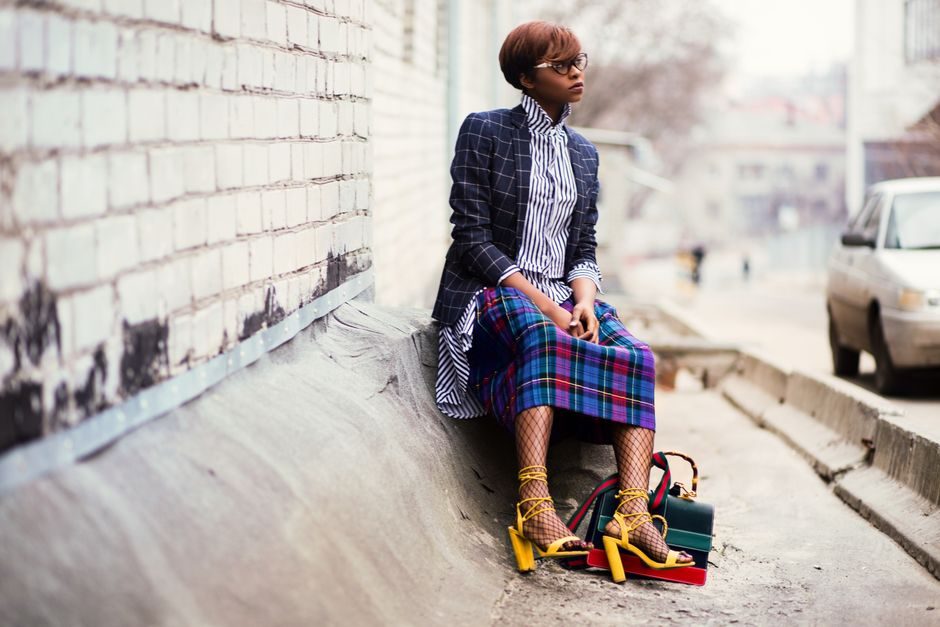
Overextension
Trying to attend too many events dilutes your focus and drains resources. Prioritize two to three key moments per month. second-hand items for sale in the USA
Buying fast-fashion copies at events undercuts quality looks and editorial credibility. Save for standout pieces you’ll wear repeatedly.
Ignoring travel time leads to stressed shoots and late arrivals that wreck lighting and planning.
- Limit events
- Invest in select pieces
- Factor travel into timing
Lacking follow-through
Collect business cards and note potential collaboration angles, then reach out with a clear proposal. Random contacts rarely convert.
Always photograph the set and note lighting, textures, and angles that worked for future reference.
Track outcomes of partnerships to learn what kinds of projects move forward.
- Document contacts
- Record lighting and texture notes
- Monitor collaboration results
How to verify sources for fashion relevance
Assess credibility of outlets
Begin with the outlet’s track record. Look for editors’ bylines, regular contributors, and a history of fashion-focused reporting. Compare claims to what is established in fashion circles to gauge reliability. online obituaries in the USA
Seek corroboration from multiple independent sources before taking a claim at face value. If several reputable outlets report a similar trend, it’s more likely to be fashion-relevant and timely.
Verify author expertise by checking prior work on similar topics. This helps you determine whether the writer understands garment construction, styling eras, or sustainability considerations.
- Cross-check with local fashion weeks or brand press releases
- Look for fashion-specific terminology and context
- Avoid outlets that lack a visible editorial standard
Balancing in-person events with digital coverage
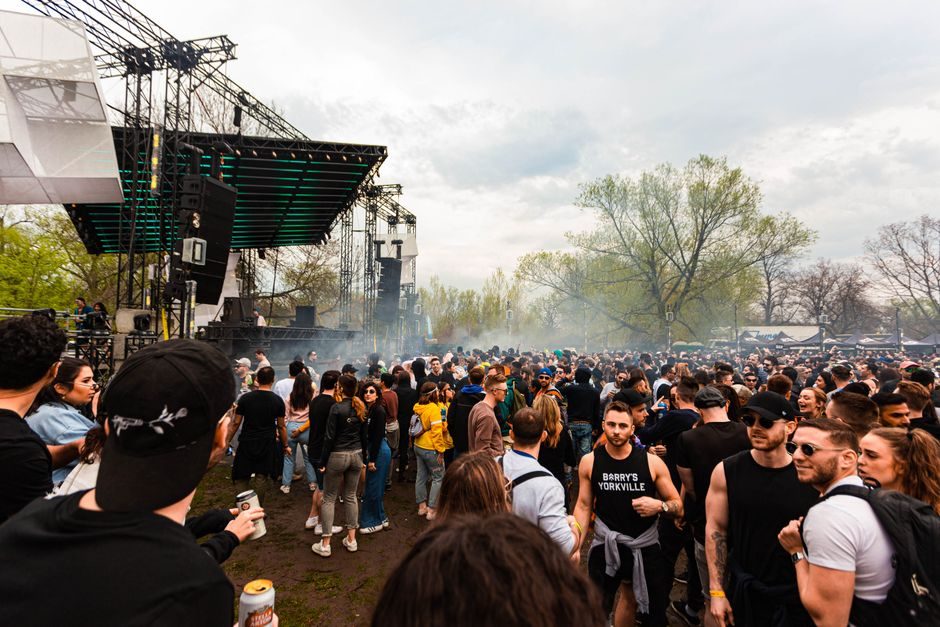
When to attend in person
In-person coverage captures texture, fit, and movement that photo and video can’t fully convey. Seeing a garment on a person reveals how it behaves in real life and under lighting. Use this to decide whether a trend translates to real dressing choices.
Pair attendance with live notes on accessibility, crowd energy, and practical details like seating or backstage access. These elements shape how a trend actually lands with readers.
Document takeaways in real time, then translate them into practical styling tips for readers who can’t be there.
- Note fabric drape and color under venue lighting
- Record quick, usable observations for captions
- Highlight practical styling ideas readers can imitate
Budget-smart fashion event scouting
Plan a cost-conscious itinerary
Create a rough schedule that prioritizes free or low-cost events, then fill gaps with digital streams or press conferences. This keeps your coverage broad without breaking the budget. Use calendar apps to track deadlines for RSVPs and ticket releases.
Photographing or filming backstage moments may require permission; plan a few bridge pieces that don’t depend on access. These can be recaps or trend rundowns.
Document cost-saving tips such as early-bird tickets, student rates, or community-run showcases that still offer authentic fashion insights.
- Map free events by city
- Leverage early RSVP perks
- Choose a few paid events only if their value is clear
Ethical considerations in event coverage
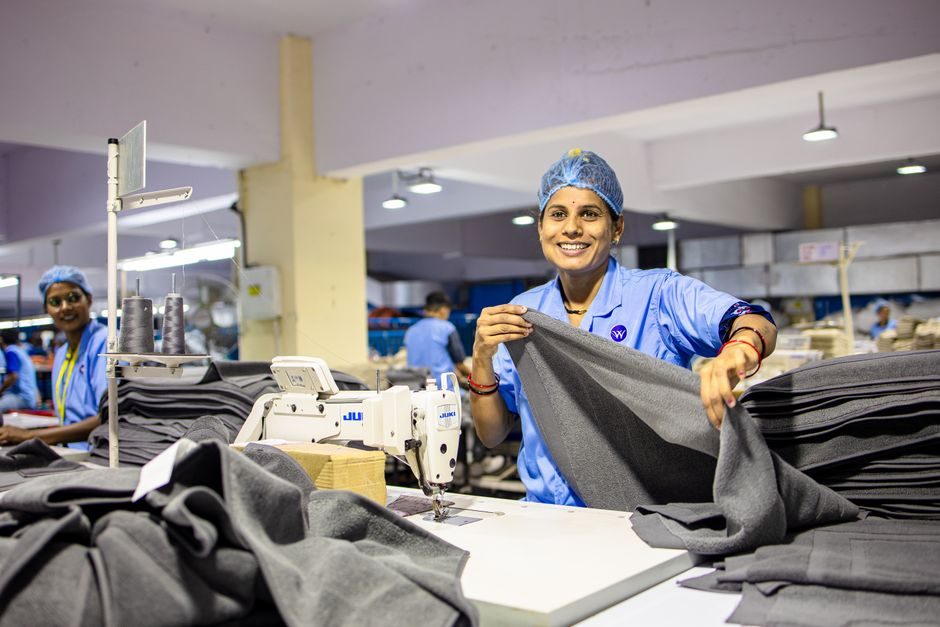
Respectful coverage practices
Covering events ethically means avoiding sensationalism and giving credit where due. Focus on sustainable practices, inclusive representation, and accurate reporting of trends without mockery. Readers rely on balanced perspectives to form opinions about fashion events.
Be mindful of image rights, consent, and privacy when photographing attendees. Seek permission for close-ups and avoid invasive angles. Provide context to prevent misinterpretation of a moment.
Close each piece with practical takeaways for readers, such as how a trend can be styled responsibly or what brands are advancing ethical standards.
Frequently asked questions
Why should a fashion site verify sources for relevance?Readers rely on clear, accurate guidance about what is worth trying and what isn’t. Verifying sources helps ensure coverage reflects true style impact, not hype. It also protects readers from chasing fleeting trends that don’t translate to real wardrobes.
How do you balance in-person and digital coverage without losing depth?Attend a strategic mix—key events in person for texture and nuance, with digital coverage for broader context. Pair vivid observations with practical styling notes, so readers can recreate looks even if they can’t attend.
What counts as budget-smart scouting?Prioritize free or low-cost events, optimize your schedule, and use digital streams when possible. Focus on events that offer clear styling insights readers can borrow, not just spectacle.
How should ethics shape coverage?Prioritize accuracy, consent, and inclusivity. Give credit to designers, models, and venues, and avoid sensationalism or misrepresentation to maintain reader trust.
Closing thoughts and next steps
The guide equips you to vet relevance, balance coverage methods, and cover events with integrity. It helps you deliver practical fashion intelligence readers can act on.
Take this momentum into your next feature calendar: choose moments that translate into real-world styling and share concise, useful tips that readers will actually use.
Add WordPress Themes & Plugins as a preferred source on Google


