
Practical guide to fashion-ready legal basics for readers
A clear, reader-focused guide linking fashion decisions to legal basics, with practical steps and common pitfalls explained for stylish professionals.

When fashion hinges on contracts, etiquette, or rights, even stylish readers benefit from clear, practical guidance. This article translates legal concepts into wardrobe decisions and shopping habits you can apply today. You’ll learn why a simple agreement or ID check matters for working events, shoots, and fashion-week access.
Think of this as a toolkit for handling legalities without slowing your personal style. Each paragraph offers concrete steps, examples from real-world fashion settings, and a reminder that smart legal prep helps avoid delays and headaches.
By the end, you’ll know what to ask, what to document, and how to balance creativity with compliance so your fashion plans stay smooth and stylish.
- Know the key legal touchpoints that affect fashion shoots and events.
- Document approvals, permits, and releases clearly and promptly.
- Use templates and checklists to keep teams aligned and compliant.
- Plan for contingencies with wardrobe and contracts to stay on schedule.
- Basics of style-legal awareness
- How to document what you do
- Options for handling legal risk
- Pitfalls to watch in fashion legalities
- Advanced legal routing for fashion
- International considerations and fashion
- Brand collaborations and IP
- Final prep and on-set compliance
- Frequently asked questions
- Next steps for ready-to-publish fashion legal prep
Basics of style-legal awareness
Çankaya İdare Hukuku Avukatı
Understanding how local governance impacts fashion events can prevent delays at venues and ensure proper permits are in place. Start by recognizing common requirements like event codes, permits, and vendor registrations that frequently affect shoots or pop-ups. This awareness helps you plan timelines and avoid last-minute scrambles. Çankaya İdare Hukuku Avukatı is a reference that may guide permissions and event compliance for shoots in complex regulatory environments.
- Legal basics save time at events
- Document approvals clearly
- Plan around venue rules
For readers facing international shoots, know which documents align with host-city regulations and how to present them. The right paperwork saves time and keeps the look on track from prep to premiere. A practical mindset is to map deadlines against venue rules so every detail aligns with style objectives.
Past issues in fashion logistics often stem from unclear authorizations. Clarify responsibilities with partners ahead of time and keep a simple record of approvals to reference during the event.
- Know venue permit needs early
- Always confirm vendor registrations
- Track approval timelines
- Maintain a shared document with partners
What fashion events demand
Events require different levels of legal readiness, from basic wristband policies to press credentialing. Start by listing the event’s stages—greeting guests, wardrobe checks, media access—and note where rules apply. This helps you preempt delays and keep your outfits on schedule.
Ask about photographer permissions and model releases early in the plan. Clear rights prevent disputes and ensure your looks can be featured without cluttered paperwork later. With a solid checklist, you keep creativity flowing while staying compliant.
If you’re managing a pop-up or collab, coordinate with partners to confirm liability boundaries and insurance needs. A simple, shared contract reduces surprises and protects your team’s outfits and timelines.
- Identify event stages and required rights
- Secure model releases early
- Coordinate liability and insurance
How to document what you do
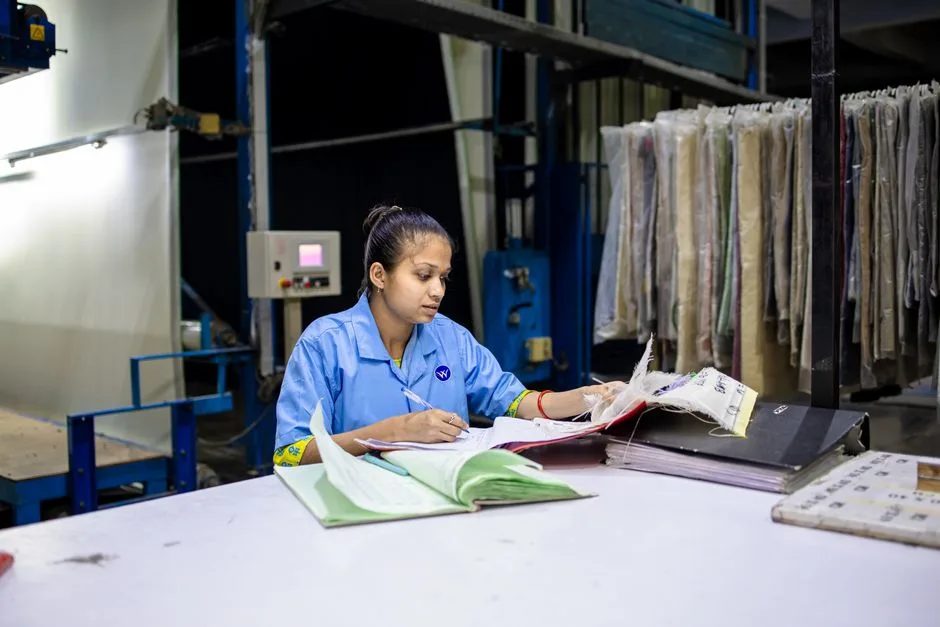
avukatlar için süre takip uygulaması
Efficient record-keeping reduces stress when timelines tighten around shoots or collections. Start with a dated log of decisions, approvals, and changes to outfits or schedules. This makes revisions transparent and traceable. avukatlar için süre takip uygulaması helps managers stay on track with deadlines in busy production calendars.
Digital notes are useful, but keep a bound backup for critical agreements. If a contract ever goes missing, you can still reconstruct the essentials from a single, organized notebook.
Regular reviews with your team prevent drift between design intent and legal constraints. Schedule short catch-ups to confirm that every change still aligns with permissions and brand guidelines.
- Keep a dated decision log
- Maintain a physical backup of key documents
- Hold brief team reviews to align goals
Practical consent strategies
Consent forms should be straightforward and context-specific. Use plain language and specify where the consent applies—photo use, locations, and duration. This minimizes back-and-forth and keeps shoots moving.
Consider layered consent for multi-location shoots or seasonal campaigns. Having adaptable templates saves time and preserves creative flexibility while protecting rights.
Preserve a culture of consent by sharing templates with collaborators so everyone knows what to expect. A clear start helps avoid last-minute changes impacting outfits or timing.
- Use plain-language, context-specific forms
- Prepare layered consent templates
- Share templates with collaborators
Options for handling legal risk
Legal-friendly wardrobe planning
Wardrobe planning that anticipates risk reduces last-minute scrambles. Build contingency outfits and documented approvals for tricky locations or weather changes. This keeps the look intact even if plans shift.
- ☐ Contingency wardrobe options
- ☐ Clear usage rights for materials
- ☐ Pre-approval of contracts
Choose fabrics and accessories with clear care instructions and usage rights to avoid wear-and-tear disputes or colorfast issues. Clear guidelines help maintain consistency across shoots.
Work with a trusted advisor to review contracts for essential terms—scope, usage, and duration—before finalizing a collaboration. A proactive review saves time during production.
- Create contingency outfits
- Choose compliant materials
- Review essential terms early
| Option | Use case | Pros/Cons |
|---|---|---|
| Light agreement | Small project | Faster; less formal but higher risk |
| Memo of understanding | Mid-size collaboration | Flexible; weaker rights protection |
| Formal contract | Large, multi-brand project | Strong protection; longer lead time |
Alternatives to heavy contracts
Sometimes a lighter agreement suffices when the scope is small or internal. Use a memo of understanding that records intent and key responsibilities without binding long terms. This keeps collaborations flexible while still protecting both sides.
For large shoots, prioritize a robust contract that clearly states rights, timelines, and deliverables. A simple structure with defined milestones can prevent scope creep and delays.
Recognize when a lawyer’s input is worth the investment: if a project involves multiple brands, enduring image rights, or international exposure, a formal agreement reduces risk.
- Memo of understanding can fit small projects
- Define milestones in contracts
- Engage a lawyer for complex, multi-brand work
Take time to verify where shoots will occur and who has permission to use the location.
Pitfalls to watch in fashion legalities

Common missteps to avoid
Rushing consent or ignoring location rights causes delays and reputational risk. Take time to verify where shoots will occur and who has permission to use the location. This prevents last-minute changes that disrupt styling and lighting.
Overlooking model releases or attribution rights can backfire. Ensure everyone involved understands usage limits and where images will appear. This reduces potential disputes and protects the crew.
Failing to maintain a simple, central archive makes reference checking slow and error-prone. Create a shared drive with organized folders for permits, releases, and contracts so the team can quickly verify details.
- Check location rights
- Confirm model releases
- Maintain a central archive
When things go wrong and recovery steps
If a dispute arises, document the incident with timestamps and witnesses. A calm, precise report supports faster resolution and less disruption to production. This helps preserve the shoot’s momentum and your reputation.
Engage a mediator or lawyer early when disagreements threaten timelines. Early intervention is usually cheaper and less stressful than court battles or settlement negotiations.
Post-incident debriefs should capture what worked and what didn’t, then update templates and checklists for future shoots. This closes the loop between experience and practice.
- Document incidents with timestamps
- Consider early mediation
- Debrief after incidents to improve
Advanced legal routing for fashion
Navigating permits and licenses
Develop a clear map of permits needed for photoshoots, pop-ups, and product launches. Identify whether you need street-use permissions, event licenses, or music clearances and align them with your calendar. Anticipate costs and timeline impacts to avoid last-minute scrambles.
Create a simple checklist that your production team can reference. Include responsible person, deadline, and required documents. This keeps compliance visible and reduces delays when schedules tighten.
A practical setup includes a shared calendar, a document folder, and a designated reviewer for permits. When issues arise, you can point to the process rather than scrambling for a fix. Being proactive saves both time and stress.
- Identify required permits early
- Coordinate with venue and local authorities
- Track renewals with reminders
- Maintain a central file for proofs
- Assign a permit owner
International considerations and fashion

Cross-border sourcing rules
If your line sources fabrics or trims from abroad, understand import duties and labeling requirements. Different countries may demand distinct care labels or language translations. This awareness helps you avoid product holds at customs.
- Map your suppliers
- Verify compliance documents
- Prepare customs paperwork
- Monitor deadlines and renewals
Maintain a firmware-like record of supplier invoices and material origins. This supports compliance checks and reduces surprises during audits.
Plan for exchange rates and shipment timelines when pricing and forecasting. Being proactive about compliance minimizes delays and keeps collections on schedule.
- Labeling standards matter
- Keep origin documents
- Forecast currency impacts
- Coordinate with logistics partner
Brand collaborations and IP
Drafting fair collaboration terms
Collaboration agreements should outline usage rights, compensation, and brand responsibilities. Clarify who owns design iterations and how creep in edits are managed across a collection. Clear terms prevent long negotiations after proofs.
Include a clear term sheet with milestones, deliverables, and approval hierarchies. This reduces back-and-forth and keeps the project on track.
Document approvals and consent for each creative input to avoid disputes when a product reaches market.
- Define ownership of designs
- Set usage scope and duration
- Outline approval process
- Include dispute resolution
Final prep and on-set compliance
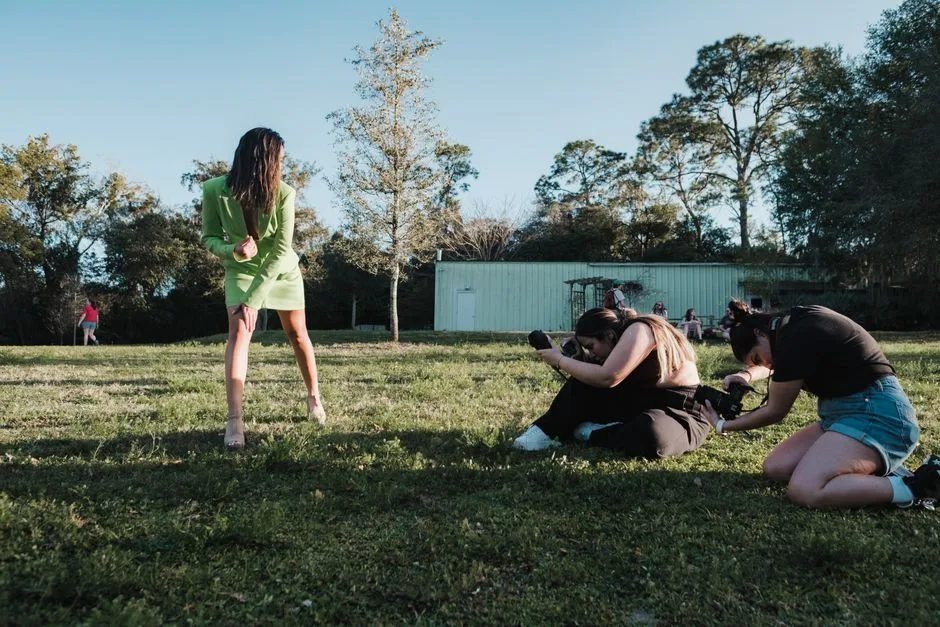
Preparing model and crew contracts
Draft clear contracts for models, makeup artists, and photographers. Include payment terms, image usage, and wardrobe responsibilities. A simple, precise contract reduces miscommunication and protects both sides.
Ensure consent forms cover public display and future licensing, making sure models understand where and how images may appear.
Review wardrobe and prop guidelines to avoid right-of-publicity issues and ensure all items can be legally photographed and used in marketing.
- Clarify payment terms
- Capture consent for use
- Define wardrobe guidelines
- Keep records organized
Frequently asked questions
How do I start a basic fashion-legal starter kit?Begin with a simple contract template for models and a model release form, then add an IP overview and a basic supply chain record. Keep digital copies that are easy to search, and assign a single owner for updates. This makes compliance manageable as you scale.
What should I do if a brand request conflicts with my rights?Document the request in writing and consult your IP lead or a lawyer to see if the usage is within the agreed scope. If it isn’t, propose an amendment that reflects both parties’ needs or negotiate alternative usage terms.
How can I avoid delays on set related to permits?Plan permits in advance and appoint a dedicated person to track them. Build a backstage calendar that flags renewals and approval deadlines, so no shoot date is jeopardized by missing paperwork.
Is there a quick way to verify labels and disclosures for a fashion collection?Create a simple labeling checklist that covers origin, care instructions, and material details. Compare each item against this list during pre-shoot checks to catch omissions early.
Next steps for ready-to-publish fashion legal prep
Summarize the key controls you now have in place—clear contracts, documented approvals, and a trackable file system. These elements protect your brand and keep production moving smoothly.
Set a concrete first milestone: finalize supplier disclosures and draft the initial IP usage terms for upcoming collabs. Then run a short internal review with your team to catch gaps before production begins.
For more insights on this topic, you might find What to Know Before Buying: Fashion particularly informative.
If you enjoyed this article, we recommend checking out From Mystery to Must‑Have: Navigating Çankaya for further reading.
You may also find Avukatlar için Süre Hesaplama Araçlarıyla Zamanı helpful as it covers related aspects of this subject.
Add WordPress Themes & Plugins as a preferred source on Google


