
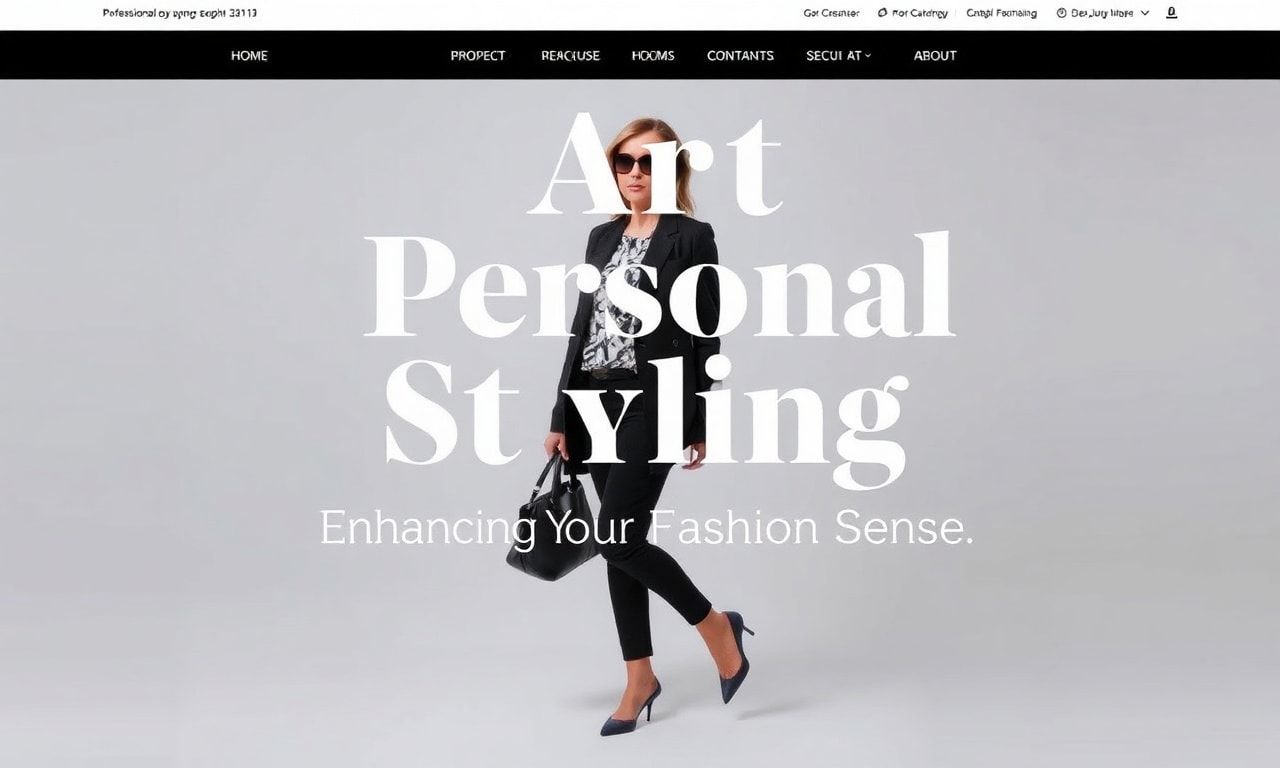
The Power of Personal Style
Fashion is more than just clothing; it’s a form of self-expression, a way to communicate without words. Developing your personal style can be a transformative journey, boosting your confidence and leaving a lasting impression. In a world where first impressions matter, understanding the nuances of fashion can set you apart. Whether you’re navigating the corporate ladder or enjoying a casual weekend, your style should reflect your unique personality and adapt to different situations.
Understanding Your Body Type
One of the fundamental aspects of personal styling is understanding your body type. Different body shapes require different styling approaches to enhance your natural silhouette. For instance, if you have an hourglass figure, you might want to accentuate your waist, while those with a rectangular body type might aim to create curves. Knowing your body type can help you make informed decisions about the cuts, fabrics, and styles that will flatter your figure the most. Investing time in understanding your body type is a crucial step in refining your fashion sense.
Fashion Styling Tips for Different Body Types
Here are some fashion styling tips tailored to different body types:
- Hourglass: Opt for fitted styles that highlight your waist. A-line skirts and wrap dresses are excellent choices.
- Pear-shaped: Balance your proportions with structured tops and darker bottoms. A-line skirts can also help create a harmonious silhouette.
- Apple-shaped: Draw attention upwards with V-necks and empire waists. Avoid tight-fitting clothes around the midsection.
- Rectangular: Create curves with peplum tops, ruffles, and belted dresses. Layering can also add dimension to your frame.
The Role of Color and Texture
Color and texture play pivotal roles in fashion styling. Different colors evoke different emotions and can significantly impact how you’re perceived. For example, wearing bold colors can convey confidence and energy, while softer hues might project a more approachable and calm demeanor. Similarly, textures can add depth and interest to your outfits. Mixing textures like silk, denim, and leather can create a visually appealing contrast. Understanding the psychology of color and the strategic use of textures can elevate your fashion game and make your outfits more dynamic.
Fashion Styling Tips for Different Fashion Expectations
When it comes to fashion styling, different occasions call for different approaches. For a professional setting, opt for classic, tailored pieces that exude sophistication. On the other hand, casual outings allow for more creativity and experimentation. Fashion styling tips for different fashion expectations can be found in various resources, but the key is to adapt your style to the context while staying true to your personal aesthetic. Whether you’re dressing for a job interview, a date, or a casual brunch, your outfit should reflect the occasion and your individuality.
Building a Versatile Wardrobe
A versatile wardrobe is the backbone of personal styling. Investing in timeless, high-quality pieces that can be mixed and matched is essential. These include classic items like a little black dress, a well-tailored blazer, and a pair of versatile jeans. Building a capsule wardrobe can simplify your life and ensure you always have something appropriate to wear. The goal is to create a collection of pieces that can be easily combined to create a variety of outfits, reducing the need for excessive shopping and clutter.
Essential Pieces for a Capsule Wardrobe
Here are some essential pieces to consider for a capsule wardrobe:
- Little black dress
- Tailored blazer
- Versatile jeans
- Classic white shirt
- Neutral-colored cardigan
- Comfortable yet stylish shoes
Accessories: The Finishing Touch
Accessories are the finishing touch that can elevate an outfit from ordinary to extraordinary. They add personality and flair, allowing you to express your unique style. From statement jewelry to scarves and hats, accessories can transform a simple outfit into a fashion statement. The key is to choose accessories that complement your outfit without overpowering it. Whether you’re adding a pop of color with a vibrant scarf or making a statement with bold earrings, accessories can enhance your overall look and make you stand out.
Accessory Styling Tips
Here are some tips for styling accessories:
- Match your accessories to your outfit’s color palette.
- Balance your accessories to avoid overwhelming your look.
- Experiment with different textures and materials.
- Don’t be afraid to mix and match different styles.
Conclusion
Personal styling is an art that requires understanding your body type, experimenting with colors and textures, building a versatile wardrobe, and mastering the use of accessories. By following these guidelines and staying true to your personal aesthetic, you can create a unique and stylish wardrobe that reflects your individuality. Remember, fashion is about expressing yourself and feeling confident in your own skin. With the right approach, you can elevate your fashion game and make a lasting impression wherever you go.
As the seasons change, so do our wardrobes, and this summer is no exception with a plethora of fresh styles to explore; dive into summer’s hottest fashion trends to keep your look on point.
As the world of fashion and sports collide, discover how the industry is embracing eco-friendly trends in sustainable sports fashion.
If you enjoyed this article, we recommend checking out The Future of E-Commerce: Trends and for further reading.
