
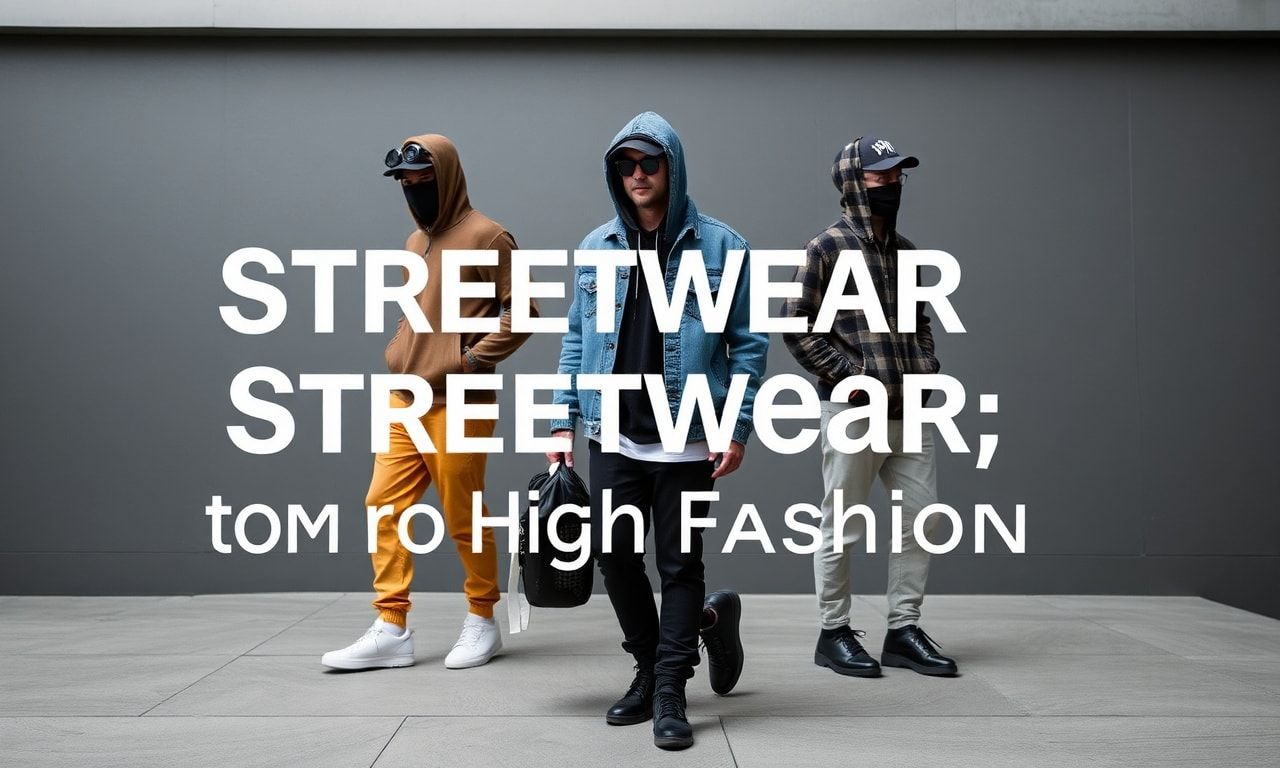
The Rise of Streetwear
Streetwear, once a niche subculture, has evolved into a dominant force in the fashion industry. Originating from the skateboarding and hip-hop scenes of the 1980s and 1990s, streetwear has transcended its humble beginnings to become a staple in high fashion. Brands like Stüssy, Supreme, and Off-White have played pivotal roles in this transformation, blending urban aesthetics with luxury design.
The rise of streetwear can be attributed to several factors, including the democratization of fashion through social media and the increasing influence of youth culture. As these brands gained popularity, they caught the attention of high-fashion houses, leading to collaborations that blurred the lines between streetwear and haute couture. This fusion has given birth to a new era of fashion where comfort, functionality, and self-expression take center stage.
For those interested in delving deeper into the intricacies of fashion trends, exploring popular articles recommended reading can provide valuable insights and inspiration. These resources often highlight the latest innovations and emerging trends, offering a comprehensive understanding of the ever-evolving fashion landscape.
The Influence of Social Media
Social media has been instrumental in the proliferation of streetwear. Platforms like Instagram, TikTok, and YouTube have enabled fashion enthusiasts to share their styles, creating a global community of trendsetters. Influencers and celebrities have further amplified this trend by showcasing streetwear brands in their daily outfits, making them accessible to a wider audience.
The viral nature of social media has allowed streetwear to evolve rapidly. Trends that once took months to gain traction now spread within days, thanks to the instant connectivity provided by these platforms. This rapid evolution has led to a dynamic fashion landscape where creativity and innovation are constantly rewarded.
Key Players in Streetwear
Several brands have been at the forefront of the streetwear revolution. Stüssy, founded in the 1980s, is often credited with pioneering the streetwear movement. Supreme, with its iconic box logo, has become a cultural phenomenon, collaborating with artists and designers to create limited-edition collections. Off-White, founded by Virgil Abloh, has bridged the gap between streetwear and high fashion, earning critical acclaim and commercial success.
These brands have not only shaped the aesthetic of streetwear but also its business model. Limited releases, exclusive collaborations, and strategic marketing have created a sense of urgency and exclusivity, driving demand and fostering a loyal customer base. This approach has proven to be highly successful, with streetwear brands achieving unprecedented levels of growth and influence.
The Intersection of Streetwear and High Fashion
The intersection of streetwear and high fashion has given rise to a new breed of designers who blend urban aesthetics with luxury materials and craftsmanship. This fusion has resulted in collections that are both edgy and elegant, appealing to a diverse range of consumers. High-fashion houses like Louis Vuitton, Gucci, and Balenciaga have embraced streetwear elements, incorporating them into their runway shows and ready-to-wear collections.
This collaboration has not only elevated the status of streetwear but also democratized high fashion. By incorporating streetwear aesthetics, luxury brands have made their designs more accessible and relatable to a younger, more diverse audience. This shift has led to a more inclusive fashion industry where creativity and individuality are celebrated.
The Future of Streetwear
The future of streetwear looks bright, with continued innovation and collaboration driving its evolution. As the fashion industry becomes more sustainable, streetwear brands are increasingly adopting eco-friendly practices, such as using recycled materials and reducing waste. This commitment to sustainability is not only beneficial for the environment but also aligns with the values of a new generation of consumers who prioritize ethical and responsible fashion.
Moreover, the rise of digital fashion and virtual influencers is set to redefine the streetwear landscape. Virtual fashion shows, digital collections, and NFTs are emerging as new frontiers for streetwear brands, offering unique opportunities for engagement and innovation. As technology continues to advance, the boundaries between physical and digital fashion will blur, creating a more immersive and interactive experience for consumers.
Conclusion
The evolution of streetwear from a subculture to a dominant force in high fashion is a testament to its enduring appeal and adaptability. Its rise has been fueled by the democratization of fashion through social media, the influence of key players, and the intersection of streetwear with high fashion. As the industry continues to evolve, streetwear will undoubtedly play a pivotal role in shaping the future of fashion, blending comfort, functionality, and self-expression in innovative and exciting ways.
As the world evolves, so does our love for style and beauty; discover how Thailand’s tech revolution is shaping the future of fashion in Thailand’s digital fashion leap.
Step into the world of contemporary style with our latest feature, sneaker culture’s fresh evolution, and discover how New Balance is making its mark on the fashion scene.
Curious about what’s next in the world of style? Dive into our latest feature, decoding fashion’s future trends, for an exclusive look at the trends set to define the next decade.
