
The Evolution of Fashion: A Glimpse into 2026
The fashion industry is a dynamic and ever-evolving landscape, constantly influenced by cultural shifts, technological advancements, and environmental concerns. As we look ahead to 2026, several key trends are emerging that promise to redefine our wardrobes and our approach to style. From sustainable innovations to the resurgence of classic silhouettes, the future of fashion is both exciting and unpredictable.
Sustainability Takes Center Stage
One of the most significant shifts in the fashion industry is the growing emphasis on sustainability. Consumers are increasingly aware of the environmental impact of their purchases, and brands are responding with eco-friendly materials, ethical production practices, and innovative recycling programs. In 2026, we can expect to see a rise in the popularity of sustainable fabrics such as organic cotton, hemp, and recycled polyester. Additionally, the concept of ‘slow fashion’ will gain traction, encouraging consumers to invest in high-quality, timeless pieces that last longer and reduce waste.
Brands are also exploring new technologies to minimize their environmental footprint. For instance, some companies are experimenting with lab-grown materials and 3D printing to create custom, on-demand clothing that reduces the need for mass production and excess inventory. This shift towards sustainability is not just a trend but a necessary evolution in the fashion industry.
The Influence of Technology
Technology continues to play a pivotal role in shaping the future of fashion. Virtual reality (VR) and augmented reality (AR) are transforming the way we shop, allowing consumers to try on clothes virtually and visualize how they would look in different outfits. This technology is particularly beneficial for online shoppers, providing a more immersive and interactive shopping experience.
Moreover, the integration of artificial intelligence (AI) in fashion is revolutionizing the way brands design and market their products. AI algorithms can analyze vast amounts of data to predict trends, personalize recommendations, and even create designs. This data-driven approach enables brands to cater to individual preferences and offer a more tailored shopping experience.
The Resurgence of Classic Silhouettes
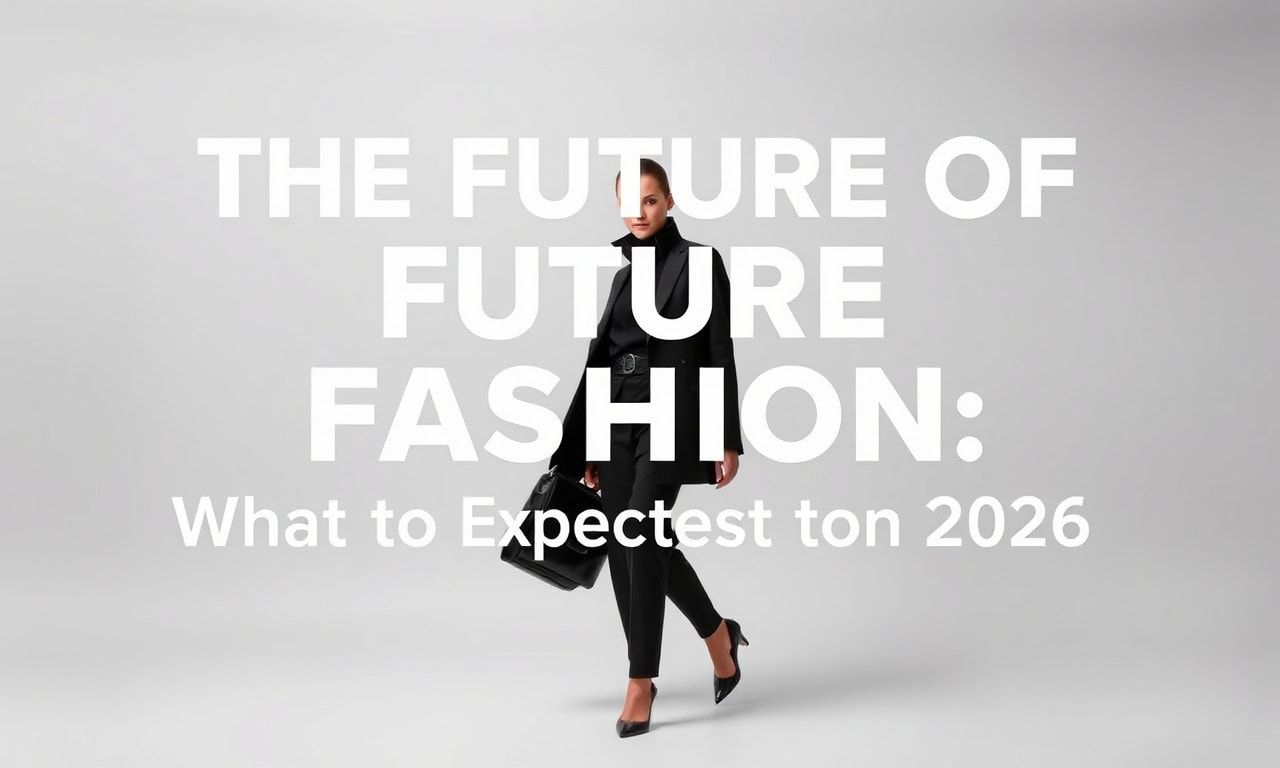
While technology and sustainability are driving much of the innovation in fashion, there is also a notable resurgence of classic silhouettes and timeless styles. In 2026, we can expect to see a return to the elegance and sophistication of past decades, with a modern twist. Think tailored blazers, high-waisted trousers, and timeless little black dresses that exude effortless chic.
This trend is a testament to the enduring appeal of classic fashion. As consumers seek to build more sustainable wardrobes, they are turning to timeless pieces that can be styled in multiple ways and worn for years to come. The resurgence of classic silhouettes also reflects a desire for simplicity and elegance in an increasingly fast-paced and complex world.
Cultural Influences and Diversity
Fashion has always been a reflection of cultural diversity, and in 2026, we can expect to see an even greater celebration of global influences. Designers are drawing inspiration from various cultures, incorporating traditional techniques, patterns, and fabrics into their collections. This cultural exchange not only enriches the fashion landscape but also promotes inclusivity and understanding.
Additionally, the fashion industry is becoming more inclusive, with brands embracing diversity in their campaigns and runway shows. Models of different ages, sizes, and ethnicities are taking center stage, reflecting the diverse and dynamic nature of society. This shift towards inclusivity is not just a trend but a necessary evolution in the fashion industry.
The Future of Accessories
Accessories play a crucial role in completing an outfit, and in 2026, we can expect to see some exciting innovations in this area. From sustainable materials to smart technology, accessories are evolving to meet the needs and preferences of modern consumers.
For instance, there is a growing trend towards eco-friendly accessories made from recycled materials such as leather, metal, and plastic. These accessories not only reduce waste but also offer a unique and stylish alternative to traditional options. Additionally, smart accessories are becoming increasingly popular, with features such as fitness tracking, health monitoring, and even virtual reality integration.
As we look ahead to 2026, the future of fashion is bright and full of possibilities. From sustainable innovations to the resurgence of classic silhouettes, the fashion industry is evolving to meet the needs and preferences of modern consumers. For more insights into the latest fashion trends and predictions, check out 2026 modası en çok beğenilen giysi türleri.
Conclusion
The fashion industry is constantly evolving, driven by technological advancements, cultural shifts, and environmental concerns. As we look ahead to 2026, several key trends are emerging that promise to redefine our wardrobes and our approach to style. From sustainable innovations to the resurgence of classic silhouettes, the future of fashion is both exciting and unpredictable. By embracing these trends and staying informed about the latest developments, we can build wardrobes that are not only stylish but also sustainable and inclusive.
Ever wondered how your wardrobe can inspire your home decor? Discover the captivating linking style across spaces in our latest feature.
Discover how to transform your look with jewelry styling secrets that will elevate your outfits effortlessly.
As digital trends shape our world, discover how the shift from streaming to downloading is influencing the fashion and beauty industries in our latest feature, digital content transformation.

