
The Power of First Impressions
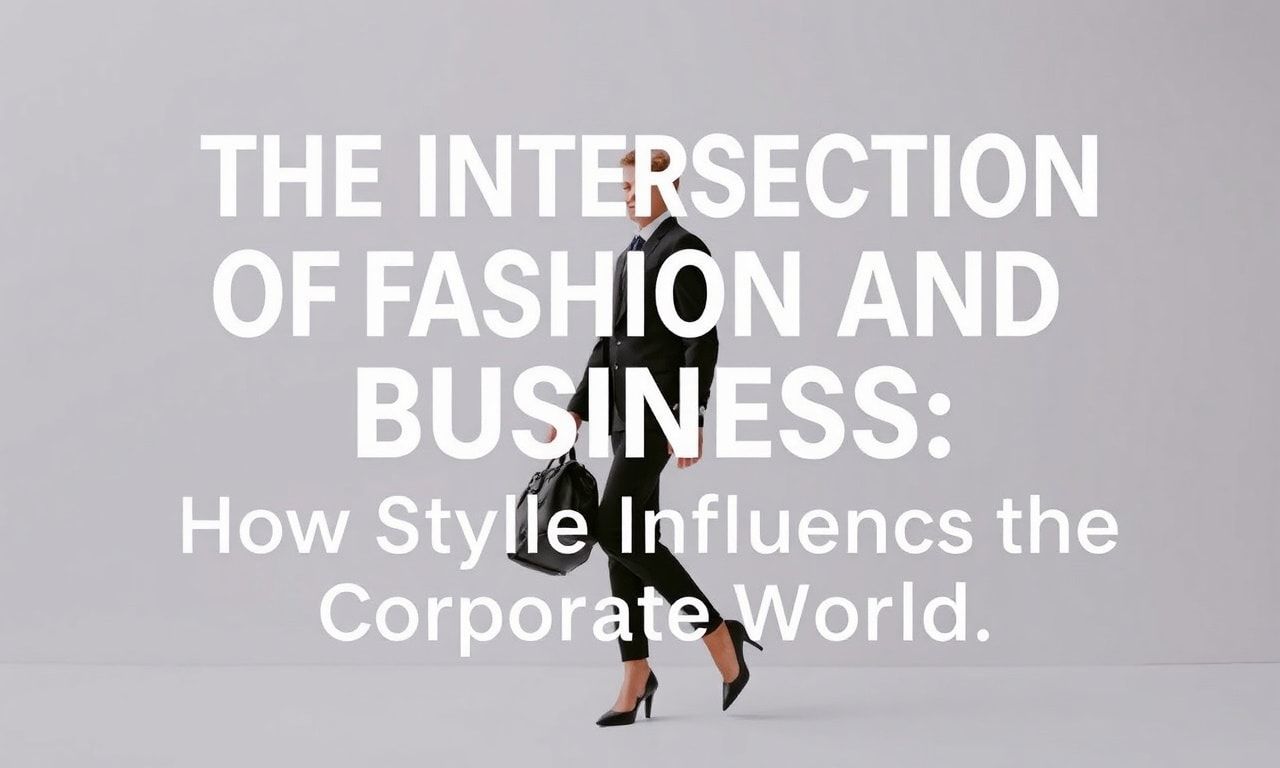
In the realm of fashion, first impressions are everything. The way we present ourselves can significantly influence how others perceive us, and this is especially true in the corporate world. Dressing well is not just about looking good; it’s about projecting an image of confidence, competence, and professionalism. Whether you’re a seasoned executive or a budding entrepreneur, understanding the nuances of corporate fashion can give you a competitive edge.
Corporate fashion is not just about donning a suit and tie. It’s about understanding the subtle messages that different styles and colors convey. For instance, a well-tailored suit can exude authority and power, while a more relaxed outfit might suggest creativity and approachability. The key is to find a balance that aligns with your personal style and the image you want to project.
The Role of Fashion in Business Success
Fashion plays a crucial role in business success. Studies have shown that people who dress well are often perceived as more competent and trustworthy. This is because clothing can act as a form of non-verbal communication, conveying messages about our personality, status, and intentions. In a business setting, this can translate into better opportunities, higher salaries, and greater respect from colleagues and clients.
Moreover, fashion can also boost your confidence, which in turn can improve your performance. When you feel good about the way you look, you’re more likely to feel confident and assertive. This can be particularly important in high-stakes situations, such as negotiations or presentations. So, investing in a good wardrobe is not just about looking good; it’s about setting yourself up for success.
The Impact of Fashion on Corporate Culture
Fashion also plays a significant role in shaping corporate culture. The dress code of a company can reflect its values and priorities. For example, a company that values creativity and innovation might have a more relaxed dress code, while a traditional company might have a more formal dress code. Understanding these nuances can help you navigate the corporate world more effectively.
Furthermore, fashion can also be a tool for fostering a sense of community and belonging. When employees dress in a similar style, it can create a sense of unity and shared purpose. This can be particularly important in large organizations, where it can be easy to feel isolated or disconnected. So, fashion is not just about individual expression; it’s also about fostering a sense of community and shared purpose.
Navigating the Corporate Fashion Landscape
Navigating the corporate fashion landscape can be challenging, especially for those new to the business world. The key is to find a balance between professionalism and personal style. This might involve experimenting with different styles and colors, and observing how others react. It’s also important to stay up-to-date with the latest trends, as fashion is constantly evolving.
One way to stay informed about the latest fashion trends is to follow industry publications and blogs. Websites like business news update often feature articles on the latest fashion trends and how they’re shaping the corporate world. This can provide valuable insights and inspiration for your own wardrobe.
Dressing for Different Business Settings
Different business settings require different styles of dress. For instance, a formal business meeting might require a suit and tie, while a casual networking event might allow for a more relaxed outfit. Understanding these nuances can help you navigate different business settings more effectively. It’s also important to consider the cultural context, as dress codes can vary significantly from one country to another.
When in doubt, it’s always better to err on the side of caution. A well-tailored suit is a versatile piece that can be dressed up or down, depending on the occasion. It’s also a good idea to invest in high-quality basics, such as a good pair of shoes and a classic watch. These can serve as the foundation of your wardrobe, and can be mixed and matched with other pieces to create a variety of looks.
The Future of Corporate Fashion
The future of corporate fashion is likely to be shaped by a number of factors, including technological advancements, cultural shifts, and environmental concerns. For instance, the rise of remote work is likely to lead to a more relaxed dress code, as employees are no longer required to dress for the office. Similarly, the growing awareness of environmental issues is likely to lead to a greater emphasis on sustainable fashion.
Moreover, the increasing diversity of the workforce is likely to lead to a more inclusive approach to fashion. This might involve a greater acceptance of different styles and a move away from traditional gender norms. The key is to embrace these changes and adapt your wardrobe accordingly. Fashion is not just about looking good; it’s about expressing yourself and adapting to the changing world around you.
Embracing Change and Innovation
Embracing change and innovation is key to staying relevant in the corporate world. This might involve experimenting with new styles and trends, or incorporating technology into your wardrobe. For instance, smart clothing that monitors your health and fitness can be a valuable tool for busy professionals. Similarly, virtual reality technology can be used to try on clothes and accessories, allowing you to experiment with different looks without leaving your home.
Ultimately, the key to success in the corporate world is to find a balance between professionalism and personal style. This might involve experimenting with different looks, staying up-to-date with the latest trends, and adapting to the changing world around you. Fashion is not just about looking good; it’s about expressing yourself and projecting an image of confidence and competence. So, embrace the power of fashion and use it to your advantage in the corporate world.

