
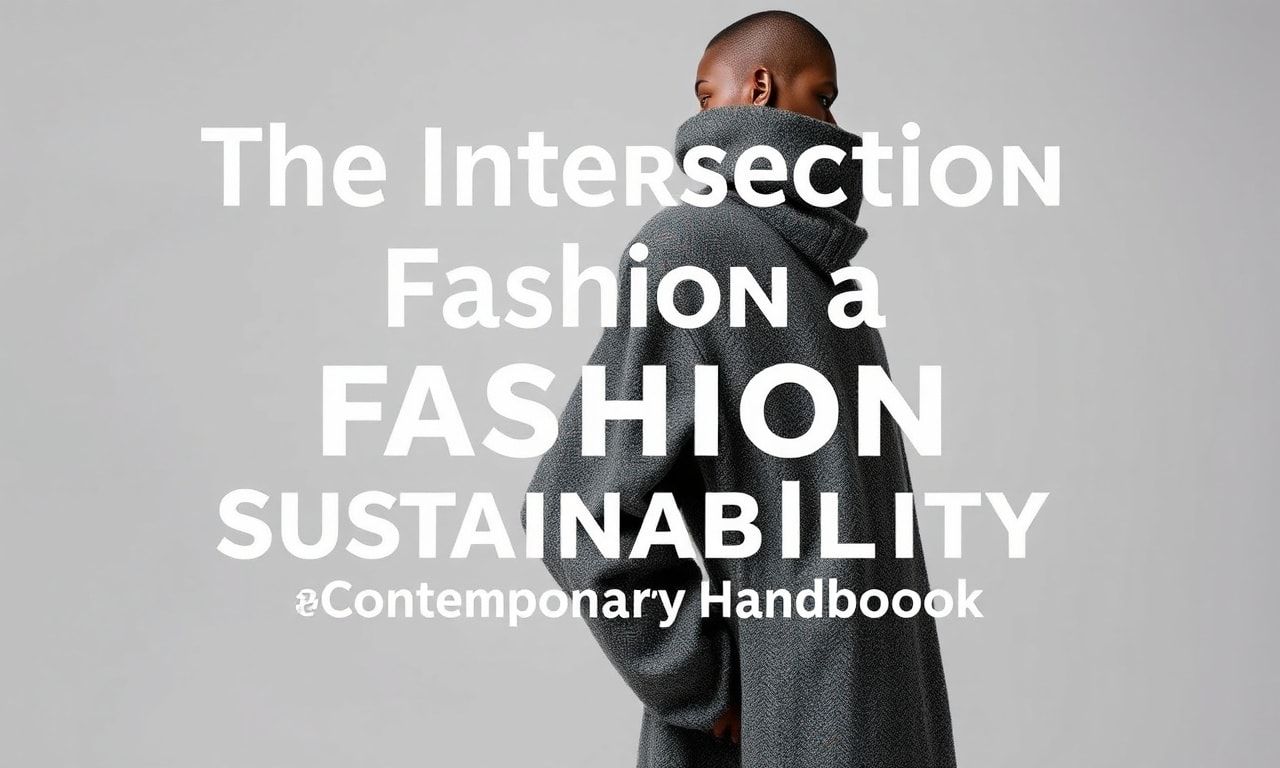
Embracing Sustainability in Fashion
The fashion industry is undergoing a significant transformation, with sustainability taking center stage. As consumers become more conscious of their environmental impact, brands are responding by adopting eco-friendly practices. This shift is not just a trend; it’s a movement towards a more responsible and ethical fashion future. From sustainable fabrics to ethical production processes, the industry is evolving to meet the demands of a new generation of shoppers.
The Rise of Eco-Friendly Fabrics
One of the most notable changes in the fashion industry is the rise of eco-friendly fabrics. Materials like organic cotton, hemp, and recycled polyester are becoming increasingly popular. These fabrics not only reduce the environmental footprint but also offer unique textures and qualities that enhance the overall appeal of the garments. Brands are investing heavily in research and development to create innovative fabrics that are both sustainable and stylish. This commitment to eco-friendly materials is reshaping the fashion landscape, making it more inclusive and environmentally conscious.
Moreover, the use of sustainable dyes and chemicals in the production process is gaining traction. Traditional dyeing methods often involve harmful chemicals that pollute water sources and harm marine life. In contrast, eco-friendly dyes derived from natural sources are becoming more prevalent. These dyes not only reduce environmental impact but also offer a wider range of colors and hues, making them a preferred choice for designers and consumers alike.
Ethical Production Practices
Ethical production practices are another critical aspect of sustainable fashion. Brands are increasingly focusing on fair labor practices, ensuring that workers are treated fairly and paid a living wage. This shift towards ethical production is not only beneficial for the workers but also enhances the brand’s reputation and customer loyalty. Consumers are now more informed and discerning, and they prefer to support brands that align with their values.
In addition to fair labor practices, brands are also adopting transparent supply chains. This transparency allows consumers to trace the origin of their clothing, ensuring that it is produced ethically and sustainably. By providing detailed information about the production process, brands can build trust and foster a stronger connection with their customers. This transparency is crucial in an era where consumers are increasingly concerned about the ethical implications of their purchasing decisions.
The Role of Technology in Sustainable Fashion
Technology is playing a pivotal role in the advancement of sustainable fashion. Innovations such as 3D printing, digital design, and virtual fitting rooms are revolutionizing the way clothing is produced and consumed. These technologies not only reduce waste but also offer a more personalized and efficient shopping experience. For instance, 3D printing allows designers to create intricate and unique pieces without the need for excessive material waste. Similarly, digital design tools enable brands to experiment with different styles and patterns, reducing the need for physical samples and minimizing environmental impact.
Furthermore, the rise of digital fashion shows and virtual fashion weeks is reducing the carbon footprint associated with traditional fashion events. These virtual events not only offer a more accessible platform for designers and consumers but also contribute to the overall sustainability of the fashion industry. By leveraging technology, brands can reach a global audience while minimizing their environmental impact.
Consumer Awareness and Education
Consumer awareness and education are essential for the growth of sustainable fashion. As more people become aware of the environmental and social issues associated with fast fashion, they are increasingly seeking out sustainable alternatives. Brands are responding by providing detailed information about their sustainability initiatives and encouraging consumers to make informed choices. Education plays a crucial role in this process, as it empowers consumers to understand the impact of their purchasing decisions and make more responsible choices.
In addition to consumer education, brands are also collaborating with environmental organizations and initiatives to promote sustainability. These collaborations not only raise awareness but also drive innovation and progress in the fashion industry. By working together, brands and organizations can create a more sustainable and ethical fashion ecosystem that benefits everyone.
Sustainable Fashion in the Spotlight
Sustainable fashion is gaining significant attention in the media and on social platforms. Influencers and celebrities are using their platforms to promote sustainable brands and raise awareness about the importance of ethical fashion. This increased visibility is helping to shift consumer behavior and drive demand for sustainable products. As more people become aware of the benefits of sustainable fashion, the industry is poised for significant growth and transformation.
Moreover, sustainable fashion is becoming a key topic in international forums and conferences. Events like the Copenhagen Fashion Summit and the United Nations Fashion Industry Charter for Climate Action are bringing together industry leaders, policymakers, and activists to discuss the future of sustainable fashion. These forums provide a platform for sharing best practices, fostering collaboration, and driving meaningful change in the industry.
In the midst of these global discussions, it’s also important to stay informed about broader environmental initiatives. For instance, understanding the impact of energy policies on sustainability can provide a holistic view of the challenges and opportunities ahead. Keeping up with sources like Bristol energy news today can offer valuable insights into how energy policies are shaping the fashion industry’s sustainability efforts.
The Future of Sustainable Fashion
The future of sustainable fashion looks promising, with continued innovation and collaboration driving the industry forward. As brands and consumers alike embrace sustainability, the fashion industry is poised for a transformative shift. This shift will not only benefit the environment but also create a more ethical and inclusive fashion ecosystem. By prioritizing sustainability, the fashion industry can contribute to a healthier planet and a more equitable society.
In conclusion, the intersection of fashion and sustainability is reshaping the industry in profound ways. From eco-friendly fabrics to ethical production practices, the fashion world is evolving to meet the demands of a new generation of conscious consumers. By embracing sustainability, the fashion industry can create a brighter and more sustainable future for all.
If you enjoyed this article, we recommend checking out Elevate Your Style: The Ultimate Guide for further reading.
