
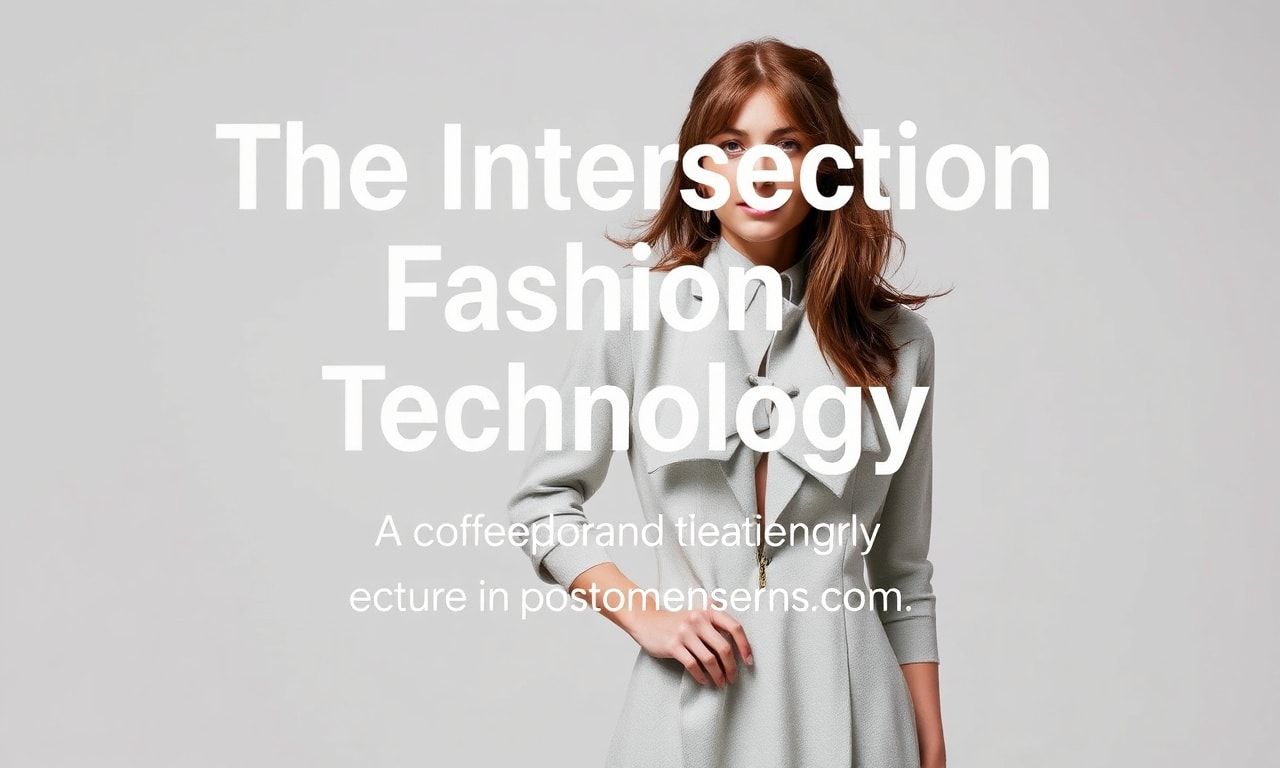
The Digital Runway
The fashion industry has always been at the forefront of innovation, and in recent years, technology has become an integral part of the fashion landscape. From virtual fashion shows to AI-driven design, the intersection of fashion and technology is creating a new era of creativity and accessibility. This article explores how technology is reshaping the fashion world, offering insights into the latest trends and the impact of digital innovation on style and design.
Virtual Fashion Shows and Digital Collections
One of the most significant shifts in the fashion industry has been the rise of virtual fashion shows. With the advent of COVID-19, many designers turned to digital platforms to showcase their collections. This trend has continued, even as in-person events have resumed, as it offers a unique way to reach a global audience. Virtual fashion shows allow designers to experiment with new formats, such as interactive 3D models and augmented reality (AR) experiences, which can provide a more immersive and engaging experience for viewers.
Digital collections have also become a popular trend, with many brands releasing NFTs (non-fungible tokens) and digital-only clothing items. These digital assets can be bought, sold, and traded on various online platforms, creating a new market for fashion enthusiasts. The rise of digital fashion has also led to the development of virtual fashion influencers, who promote these digital collections and engage with audiences on social media.
The Role of AI in Fashion Design
Artificial intelligence (AI) is revolutionizing the fashion industry by streamlining the design process and enhancing creativity. AI algorithms can analyze vast amounts of data to identify trends, predict consumer behavior, and even generate new designs. This technology is being used by both established brands and emerging designers to create innovative and personalized clothing items.
AI-powered design tools can generate countless variations of a design, allowing designers to experiment with different styles, colors, and patterns. This not only speeds up the design process but also opens up new possibilities for creativity. Additionally, AI can be used to create personalized recommendations for consumers, helping them find the perfect outfit based on their preferences and body type.
As AI continues to evolve, it is likely that we will see even more innovative applications in the fashion industry. For example, AI could be used to create sustainable and eco-friendly materials, or to develop smart clothing that can adapt to the wearer’s environment. The potential for AI in fashion is vast, and it is an exciting time for both designers and consumers.
The Impact of Social Media on Fashion Trends
Social media has become a powerful tool for shaping fashion trends and influencing consumer behavior. Platforms like Instagram, TikTok, and Pinterest have made it easier than ever for fashion enthusiasts to discover new styles and share their own looks with a global audience. This has led to the rise of influencer culture, where individuals with large followings can promote brands and products to their audiences.
Social media has also democratized the fashion industry, allowing emerging designers and small businesses to gain visibility and reach a wider audience. This has led to a more diverse and inclusive fashion landscape, with a greater emphasis on individuality and self-expression. As a result, consumers are increasingly seeking out unique and personalized styles that reflect their personality and values.
In addition to influencing trends, social media has also changed the way that brands market their products. Many brands now use social media to engage with their audiences, share behind-the-scenes content, and gather feedback on new designs. This has created a more collaborative and interactive relationship between brands and consumers, which is benefiting both parties.
The Future of Fashion Technology
The future of fashion technology is bright, with many exciting developments on the horizon. One area of particular interest is the use of blockchain technology to create transparent and sustainable supply chains. By using blockchain, brands can track the origin of their materials and ensure that they are ethically and sustainably sourced. This not only benefits the environment but also helps to build trust with consumers.
Another area of innovation is the development of smart fabrics and wearable technology. These materials can monitor the wearer’s health, track their activity levels, and even adjust their properties based on the environment. For example, smart fabrics can regulate temperature, repel moisture, or even change color based on the wearer’s mood. As these technologies continue to evolve, we can expect to see even more innovative applications in the fashion industry.
Finally, the rise of virtual and augmented reality (VR and AR) is set to transform the way that we shop for and experience fashion. VR and AR technologies can create immersive shopping experiences, allowing consumers to try on clothes virtually and visualize how they will look in different outfits. This not only makes the shopping process more convenient but also enhances the overall experience.
The Role of güncel olaylar analizi değerlendirme in Fashion
As the fashion industry continues to evolve, it is essential to stay informed about the latest trends and developments. Websites like güncel olaylar analizi değerlendirme provide valuable insights into the current state of the fashion industry, offering analysis and commentary on the latest trends and innovations. By staying up-to-date with these developments, fashion enthusiasts and industry professionals can better navigate the ever-changing landscape of fashion and technology.
In conclusion, the intersection of fashion and technology is creating a new era of creativity, accessibility, and innovation. From virtual fashion shows to AI-driven design, the fashion industry is embracing technology in exciting and transformative ways. As these technologies continue to evolve, we can expect to see even more innovative applications in the years to come. Whether you are a fashion enthusiast, a designer, or a consumer, the future of fashion technology is something to be excited about.
As our digital worlds continue to evolve, so does the way we consume entertainment—discover how this shift can influence your fashion and beauty routines by exploring the rise of online media.
Ever wondered how nightwear transformed from mere practicality to a statement of style? Dive into the fascinating journey of sleepwear and discover how it became a staple in high fashion.
Dive into the world of style with our latest feature, fashion meets lifestyle essentials, and discover how to seamlessly blend your wardrobe with your everyday life.

