
How to Submit an Event: Dublin Guide for Fashion Finders
A practical, checklist-style guide for fashion readers on how to submit an event in Dublin, with steps, tips, and common mistakes to avoid.

If you want your fashion event seen, you need a simple, reliable submission path. This guide explains how to submit an event in Dublin in clear, concrete steps, from gathering details to confirmation. You’ll learn practical checks to ensure your listing fits a fashion-forward audience and stands out without fuss.
First, collect the basics: what, when, where, and why your event matters to style readers. Then choose the right channel—plausible platforms and publications—so your event doesn’t get lost. Finally, follow a clean, repeatable process so you can reuse it for future listings.
This approach keeps fashion events legible and accessible, turning curbside buzz into organized exposure. It also helps you align your listing with Dublin’s fashion community calendars, ensuring you reach the right readers at the right time. Use the steps here as a dependable workflow rather than a one-off task.
- This guide walks you through submitting a fashion event in Dublin with a practical, step-by-step approach.
- You’ll learn what information to gather, where to post, and how to craft listings that appeal to Style readers.
- Consider potential pitfalls and how to avoid them while keeping listings timely and clear.
- The plan includes a reusable workflow and tips to improve performance over time.
Basics to prepare
Collect core details
Start with the essentials: event name, date, time, venue, and ticketing. Include a brief description that highlights why the style crowd should care. Gather contact info for follow-up questions and a primary image for the listing. Submit an event in Dublin is the core action, and this guide shows how to do it smoothly.
- Event name clearly stated
- Date and time exact
- Venue address with accessibility notes
- Ticketing or RSVP link
- Fallback contact method
Identify the audience
Think about which fashion readers would attend and why. Note dress code, anticipated activities, and potential media angles. This helps tailor the description and image choice to the right crowd.
- In-store or pop-up focus
- Runway or street-style resonance
- Local designer spotlight
- Seasonal relevance
- Youth or premium segment spotlight
Where to submit
Choose the right channel
Select platforms that publish fashion events in Dublin and cater to readers like yours. A cross-post strategy increases visibility, but keep each listing snappy and platform-friendly. Avoid duplicating long text across sites. A useful resource on this topic: dublinreport.com news.
- Overloading listings with jargon
- Ignoring platform word limits
- Forgetting platform-specific image rules
- Not updating listings if details change
Prepare the media
Use a high-quality image that represents the look and feel of the event. Include a caption with the location and date. If you have a press kit, link to it but keep the primary listing lean and legible.
- One strong feature image
- Clear caption with key details
- Accessible alt text included
- Consistent styling with brand
Exact submission steps
Write a precise description
Draft a concise description that communicates the event’s appeal to fashion readers. Use two to three sentences and avoid filler. Include any special guests or collaborations that add credibility. A useful resource on this topic: get your business listed in Dublin.
- Lead with the most compelling angle
- Include date, venue, and price
- Offer a call to action
| Method | Pros | Cons |
|---|---|---|
| Platform listing | Broad reach | Potential clutter of similar events |
| Direct publication on site | Control over details | Requires access or approval |
| Cross-posting with tweaks | Max exposure | More admin work |
Submit and confirm
Finish the submission with contact details for follow-up and a verification step to confirm listing accuracy. Once submitted, monitor responses and be ready to provide missing assets quickly.
Align with Dublin’s fashion calendar and avoid clashing with major local events.
Pitfalls to avoid

Red flags in listings
Ambiguity, vague timings, or unclear location kill interest. Ensure every listing answers who, what, where, and when in a single glance. Readers should not guess details from the description. Post a classified ad in Dublin helps reach an audience looking for smaller scale happenings.
- No date or venue
- Unverified links
- Overly broad descriptions
- Missing accessibility notes
Timing and visibility
Publish early enough for readers to plan, but avoid outdated posts. Align with Dublin’s fashion calendar and avoid clashing with major local events. Update listings if plans change to maintain trust.
Advanced listing options
Amplified event details for listings
Start with a succinct event name and key details like date, time, and venue. Include a brief one-line descriptor that captures the style or mood of the event, so readers know what to expect. If possible, add a guest list or highlight that appeals to fashion enthusiasts, such as a designer appearance or styling session. place a death notice in Dublin
Provide media-ready information. Attach high-quality photos of the venue or a runway moment, and if permitted, a short video clip that previews looks or themes. Clear contact details and a link to the event page help readers act quickly.
Offer a practical call to action. Tell readers how to register, reserve seating, or RSVP, and note any age or dress code requirements. Mention accessibility options briefly so everyone can plan their evening.
- Include date, time, venue clearly
- Add a brief fashion angle descriptor
- Provide RSVP or ticket details
- Attach media and contact links
Regional guides
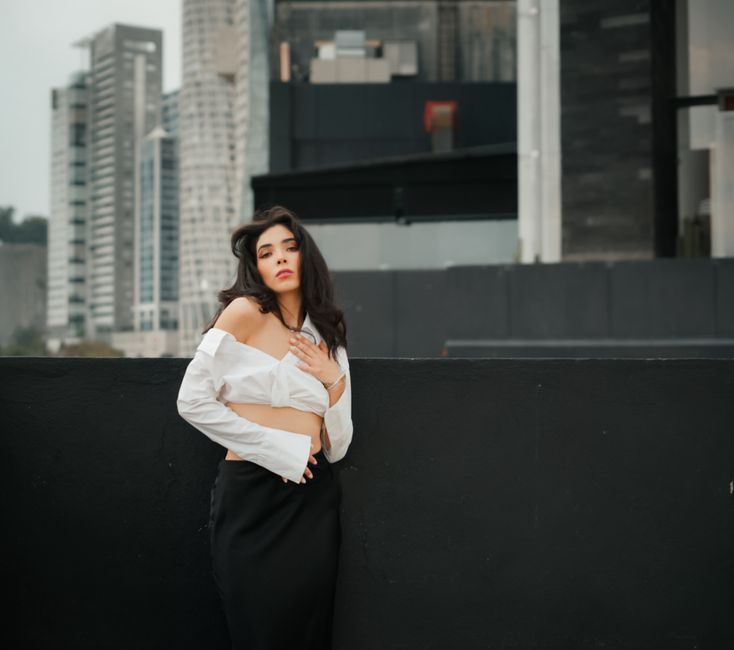
Dublin fashion scenes for readers
Outline major districts or venues where fashion events regularly appear, such as design studios, concept stores, or galleries. Mention what makes each area feel distinct—international vibes, indie labels, or sustainable showcases. Offer a quick map-style tip so readers can plan a week of outfits around these spots.
- ☐ Identify the venue and date
- ☐ Gather media assets
- ☐ Write a fashion-forward description
- ☐ Include RSVP or ticketing details
Describe regional timing and rhythm. Note typical event calendars, including pop-ups, sample sales, and panel talks, so readers can anticipate busy periods. Encourage readers to follow local organizers for last-minute drops and styles.
Suggest practical planning steps. Recommend a simple two-week pre-submission checklist tailored to Dublin’s venues, transport options, and crowd sizes. Emphasize how to gauge whether an event suits fashion-forward readers.
- Identify key districts and venues
- Note typical event rhythms
- Provide a two-week pre-submission plan
- Recommend following local organizers
Collaborations and features
Pitch ideas for partners and editors
Propose collaborations that offer value beyond a single listing, such as a designer takeover, styling workshop, or Q&A with a guest celebrity. Outline how the event aligns with the site’s audience and current fashion themes. Include suggested angles for social coverage to maximize reach.
Explain why editors should consider features over listings. Features provide storytelling, longer engagement, and a chance to showcase trends with real looks from attendees or designers. Include a provisional timeline and deliverables.
Provide concrete samples of past collaborations. If you have a mockup or mood board, describe its elements and tone to help editors visualize the feature. Offer a few ready-to-use photo prompts to speed up production.
- Suggest collaboration formats
- Align with audience and trends
- Offer a ready-made media package
Editorial calendars
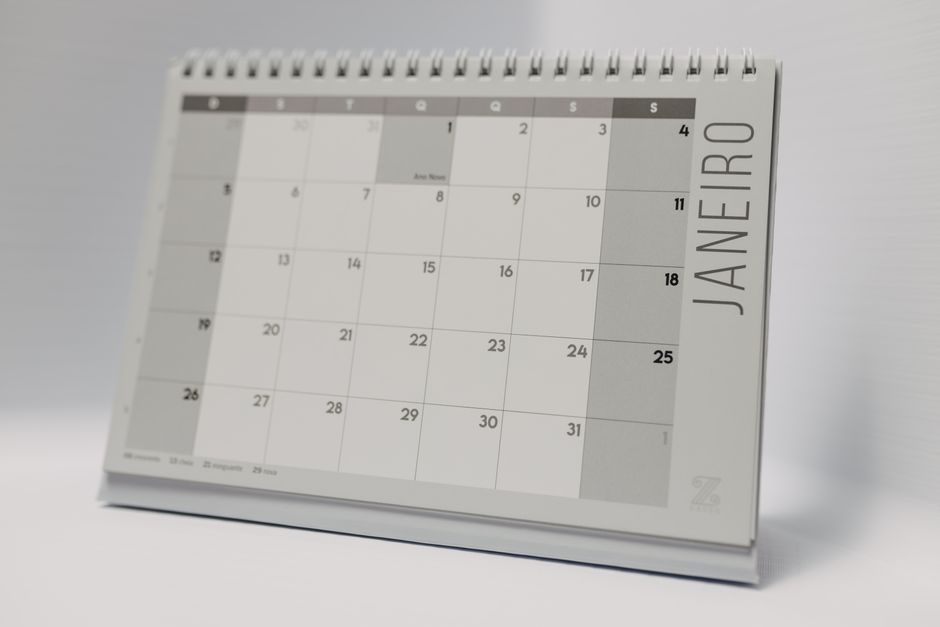
Plan submissions with a calendar mindset
Create a monthly or seasonal calendar that shows when to submit events for peak coverage. Include lead times for reviews, approvals, and scheduling slots. A predictable cadence helps readers plan outfits and attendance.
- Common misconception: events must be large or official to count.
- Correct fact: well-curated, timely listings serve niche fashion communities just as well.
Describe how to batch-submit. If several events share a theme, group them by category (sustainability, streetwear, couture) and present a combined guide. This makes it easier for readers to find what matches their interests.
Offer practical batching tips. Use a shared document with deadlines, contact info, and asset requirements. Set reminders to refresh listings as details change so the audience always sees current information.
- Set submission lead times
- Group by theme for clarity
- Use a shared asset checklist
- Keep listings current
Frequently asked questions
Who can submit an event for Dublin fashion listings?Readers, event organizers, and brand partners can submit events. Focus on clarity and a clear fashion angle to help editors assess relevance. Include date, venue, and a link for more information so editors can verify details quickly.
What makes a listing more likely to be published?Listings that are easy to read, visually supported, and clearly tied to fashion moments—like runway-wear themes, stylist sessions, or pop-up launches—stand out. Provide practical information such as RSVP steps and accessibility notes to help readers plan.
How far in advance should I submit?Submit with enough lead time for review and scheduling. A simple rule is to provide essential details at least two weeks before the event, with media and updates as soon as they’re available.
Is there a preferred format for images or media?Editors favor high-quality images that clearly show the event vibe or venue. Include captions and credits when possible, and provide a downloadable press kit or mood board to speed up production.
Closing thoughts for readers
Submitting events becomes easier when you think like a reader: what would help me plan a stylish evening? Start with the basics and then add context that makes the occasion feel like a moment in fashion.
Keep a simple kit ready: a one-line descriptor, three to five strong images, and a quick link list. This helps editors assemble compelling roundups and keeps Dublin’s fashion scene visible to the audience.
Add WordPress Themes & Plugins as a preferred source on Google


