
Sell second-hand items in the USA: practical guide for fashion readers
A practical checklist for fashion lovers to sell second-hand items in the USA, with steps, pitfalls, and tips that fit a style-focused site.

You want to turn closet castoffs into stylish gains. This guide gives a clear, actionable path for selling second-hand items in the USA, tailored to fashion readers who value curation and care. Each step shows how to prepare, present, and price pieces so they reach the right buyer.
Start with honesty about condition, style story, and era. Then choose the best platform and craft listings that feel like magazine editorials. Finally, protect your time and money with smart shipping and returns decisions.
From condition checks to shipping safeguards, this checklist is crafted for real wardrobes and real selling, without fluff or hype.
- Start by honest condition checks and clear photos to build trust.
- Choose channels that fit the item’s audience, then keep listings concise but rich in detail.
- Price thoughtfully, with room to adjust, and track what works across platforms.
- Protect yourself with good packaging, transparent policies, and careful record-keeping.
Basics you should know
Assess your items clearly
Begin with a thorough condition check: note stains, tears, or shrinkage, and photograph these details. A clear appraisal speeds trust with buyers and reduces disputes. Cite any alterations or non-original parts so the listing stays transparent. sell second-hand items in the USA is a practical step for any fashion reader seeking greener closets.
- Overlooking flaws in photos; better to photograph every issue
- Overinflating condition in descriptions; stick to facts
- Ignoring fabric care details; mention cleaning steps and storage
- Photograph flaws up close
- Describe measurements
- Mention materials and care
- Photograph flaws clearly
- Describe measurements
- Note materials and care
Choose the best channel
Different platforms serve different audiences. A curated, designer-focused item may perform best on specialty apps, while everyday pieces suit broad marketplaces. Consider combining channels to maximize reach, but track where each item performs.
Use simple, consistent titles and honest sizing to minimize returns. Provide clear shipping options and a fair return policy to build buyer trust.
Plan a small batch approach: start with a handful of items to learn listing rhythms, then scale up as you gain experience.
How to present items that sell
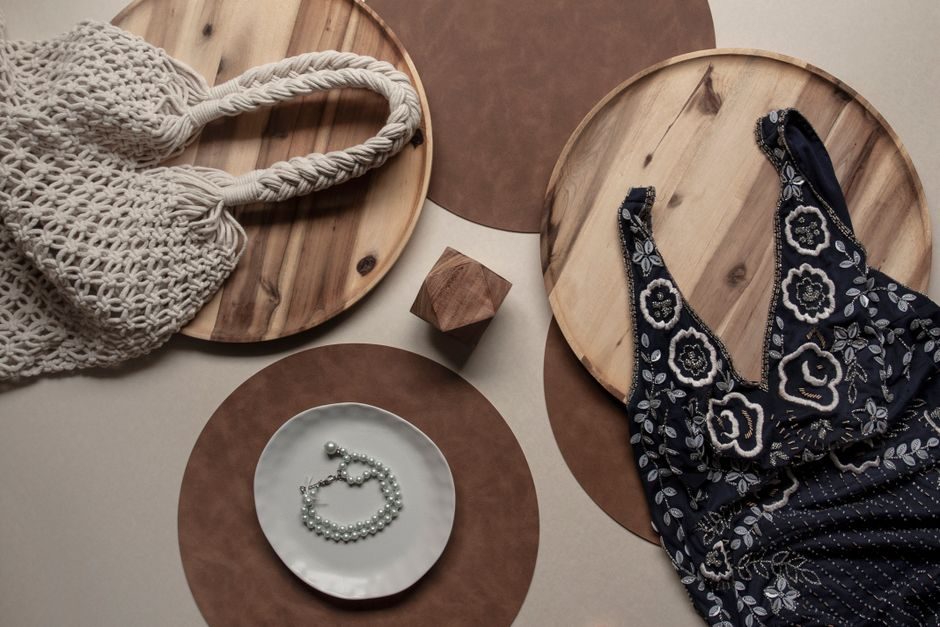
Story first, specs second
Lead with a short style narrative that helps buyers imagine how the piece fits their wardrobe. Follow with concrete specs like size, measurements, fabric, and care. This balance makes listings feel editorial and trustworthy. Blog Book World website offers a perspective on fashion content that can inspire your selling narrative.
Show a lifestyle photo where the item is worn, plus a clean product shot. Contrast is key: light, texture, and color should read true on camera.
Keep descriptions to the point; readers skim for specs, then stories.
- Lead with a storytelling sentence
- Provide size and measurements
- Include care instructions
Set fair, clear prices
Research similar items to anchor price, but avoid chasing exact matches. Consider condition, rarity, and demand when naming a price range. A transparent pricing approach reduces negotiation friction.
Offer a reasonable starting price with a bottom line in the notes, and be prepared to adjust if activity is slow.
- Compare with comparable items
- State price range clearly
- Be willing to adjust within limits
Options for selling
Direct sale vs. consignment
Direct sales give you immediate control and payment, while consignment shifts risk to the buyer and platform. Weigh logistics, fees, and your comfort with handling shipping. Choose one path or a hybrid model for mixed wardrobes. post your event in the USA is a phrase to consider when planning pop-up sales or collaborations.
- Underestimating shipping costs for fragile items
- Not clarifying ownership or authenticity
- Ignoring platform policies on returns
Direct sales often require faster turnaround; consignment can reach broader audiences over time.
Document each transaction to keep records straight.
- Direct sale gives control
- Consignment expands reach
- Keep records of listings and payments
| Option | Pros | Cons |
|---|---|---|
| Direct sale | Faster payout, full control | Higher effort, shipping risks |
| Consignment | Lower upfront work, broader reach | Platform fees, payout delays |
| Hybrid | Balance control and reach | Complex tracking of items |
Rely on trusted platforms
Use established marketplaces to reach buyers who trust the process. Check seller protections, return terms, and payment safety before listing. A well-chosen platform can make the difference between a fast sale and a stagnant listing.
For niche fashion, consider community-driven sites or regional groups that match your item’s vibe.
Always photograph and describe according to the platform's best practices.
Track price bands for your item category and adjust as inventory shifts.
Pitfalls to avoid with second-hand fashion
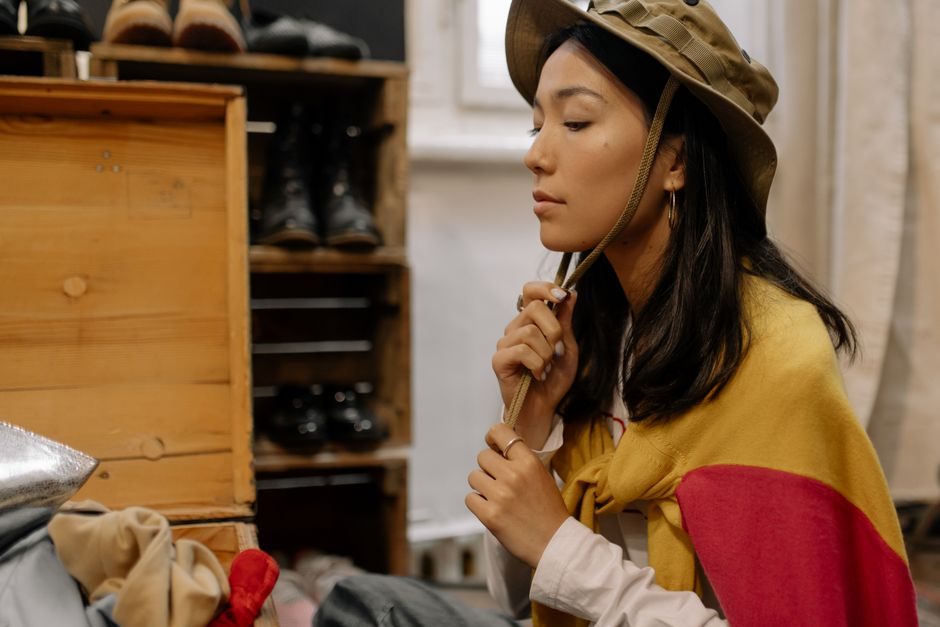
Common mispricing pitfalls
Mispricing is the quickest route to low turnover. Compare similar items across platforms to gauge value and adjust for condition, age, and demand. Don’t rely on intuition alone; patterns in pricing pace reveal where expectations diverge from reality. promote your business in the USA can help you reach new buyers via fashion-focused channels.
Overtime, mispricing erodes margins and can sour buyer trust. Track price bands for your item category and adjust as inventory shifts. Use slow, steady reductions rather than large, abrupt cuts that confuse shoppers.
Keep a pricing log and revisit it weekly. Small tweaks based on how quickly items move can maintain interest and prevent stale listings.
- Compare prices across platforms
- Note item condition in pricing
- Adjust gradually over time
Creative promotion without oversell
Narrative-friendly product copy
Clear, concise copy helps buyers envision wear. Describe fabric feel, care needs, and outfit pairings to spark ideas. Avoid hype and stick to tangible details and real-use scenarios. online obituaries in the USA
Highlight small, verifiable details—stitching quality, print fade, or hardware condition—to build trust. This creates a grounded story that resonates with style-conscious shoppers.
Conclude with practical next steps, like suggested accessories or a simple care tip, to empower the reader without pressuring a purchase.
- Describe fabric and fit
- Mention care instructions
- Suggest styling ideas
Seasonal timing and trends for resale

Timing your listings for peak interest
Seasonal demand guides when items should be listed. For example, jackets and boots gain traction in fall, while light dresses move during spring. Align listings with local weather patterns to maximize visibility.
Monitor fashion calendars and regional climates to time drops. A sweater packed away for months may lose momentum if posted off-season.
Use a gentle cadence of new listings to catch early shoppers and then refresh as trends shift, avoiding long gaps that let items fade from attention.
- Seasonal alignment matters
- Regional weather influences buyers
- Refresh to maintain visibility
Sustainable practices that improve value
Responsible sourcing and presentation
Show how an item fits into a sustainable wardrobe by emphasizing durable materials and timeless design. Buyers respond to longevity signals and easy care, which reduce perceived risk.
Present the item's provenance if applicable—where it came from, how it was stored, and whether it’s been kept in a protective bag. Small touches can reassure buyers about condition.
Offer honest care tips to extend life, like proper washing methods or storage steps, which can justify a higher perceived value over time.
- Highlight durability and timeless design
- Provide provenance details when possible
- Share care guidance for longevity
Frequently asked questions
What counts as good photos for second-hand fashion?Good photos show multiple angles, close-ups of fabric, seams, and any flaws. Natural lighting helps color accuracy, and a plain background reduces distractions. Include a full-body shot and a clothing tag or label if visible.
How quickly should I respond to buyer questions?Respond promptly, ideally within a few hours during peak shopping times. Clear, concise answers build trust and reduce the chance of a stalled sale. If you need time to check specifics, acknowledge and follow up quickly.
Should I offer free shipping?Free shipping can attract more buyers, but factor shipping costs into your price. If you offer it, state the threshold clearly and ensure packaging remains affordable and reliable.
What if an item doesn’t sell after a long time?Reassess pricing, photos, and description. Consider relisting with updated angles or timing, and try a fresh platform or a limited discount to re-engage interest.
Next steps for savvy resellers
Adopt a consistent listing workflow and track what works. The more data you collect on each item, the more precise your future pricing and promotion become.
Take one actionable step this week, such as retaking three photos, adjusting two prices, or drafting new copy for a backlog of items. Small bets compound into faster sales and steadier revenue.
Add WordPress Themes & Plugins as a preferred source on Google


