
What’s New in Climate Change: A Fashion Reader’s Guide
A clear, practical guide for fashion lovers: how climate change affects style, sourcing, and beauty, with steps to stay informed and stylish.

Climate change is reshaping how we style, shop, and care for ourselves. This guide translates big questions into practical steps you can take now, from fabrics and supply chains to beauty routines that endure. You’ll learn what matters for wardrobe planning, trend reliability, and responsible choices without getting overwhelmed.
First, you’ll get a basic sense of the latest climate context and why it matters for fashion—what to watch, what to ignore, and where to look for reliable, calm reporting. Then we turn to your closet and its partners: designers, retailers, and beauty brands that respond with smarter materials, lower waste, and better transparency.
Finally, we’ll map a simple path: notice trends, verify sources, and apply tips that fit real life—so you can stay stylish while supporting a cooler, clearer fashion future.
- A concise, practical guide to climate change for fashion readers. It explains why climate news matters for wardrobes, sourcing, and beauty routines. It offers steps to audit, plan, and shop with a cooler, clearer future in mind.
- The guide translates climate information into wardrobe strategies, sourcing decisions, and care habits that reduce waste. It highlights reliable signals, transparent brands, and repair-friendly practices.
- Readers gain concrete actions: audit your closet, ask for data from brands, choose durable pieces, and plan purchases around seasons rather than impulses.
Basics you can trust
Global context and fashion
Most readers want a straightforward view: climate change affects what we can wear, where garments are produced, and how long items last. Start with a reliable briefing that highlights weather patterns, supply chain risks, and material innovation. This helps you spot which trends are durable rather than faddish. latest climate change news
- Identify the main climate concern for your region before buying
- Ask brands about fabric disposal and recycling programs
- Choose pieces designed for long wear and repairability
- Keep a small wardrobe overhaul plan to reduce waste
From there, compare two common fabrics—synthetics vs. natural fibers—by how they tread lightly or heavy-handedly on the environment. The goal is a practical lens for choosing pieces that perform and endure.
Be mindful of mixed messages; seek sources that explain tradeoffs clearly and offer concrete alternatives for every season.
- Check fabric origin and production methods
- Prefer durable pieces over fast replacements
- Favor certified, transparent brands
- Look for repair and resale options
- Limit impulse buys when weather forecasts suggest volatility
What the latest climate news means for you
The latest climate news often centers on temperature trends, extreme events, and policy shifts. For fashion readers, the takeaway is pragmatic: more reliable forecasts help plan collections, shipments, and seasonal campaigns. You’ll benefit from knowing which stories affect supply and which inform consumer behavior.
Avoid overwhelming detail by focusing on three signals: how storms affect ports, how heat changes dyeing outcomes, and how policy nudges sustainability labeling. These signals guide the choices you make in tailoring, sourcing, and styling.
Treat each update as a briefing to adjust wardrobes, accompany travel plans, or support brands that align with your values.
- Port disruptions alter fabric availability
- Heat levels influence dye stability and colorfastness
- Policy nudges affect labeling and transparency
- Seasonal forecasts guide capsule collections
- Consumer awareness grows for greener options
What to do next with climate info

Plan your wardrobe with climate in mind
A climate-aware wardrobe focuses on versatility and durability. Start by auditing what you own, noting which pieces endure, which need repairs, and which to replace. Use climate forecasts to time purchases and avoid wasteful impulse buys. A useful resource on this topic: what's on in the USA.
In practice, build a core palette and have a few seasonal accents that can be swapped without a full overhaul. This lowers decision fatigue while keeping style consistent through shifting weather patterns.
Keep an eye on dye performance and fabric care; choosing items that withstand heat, humidity, and abrasion reduces housekeeping and extends life.
- Audit every category: outerwear, basics, footwear
- Create a repair and refresh routine
- Choose pieces with universal fit and mixable colorways
- Schedule seasonal refreshes to align with weather shifts
- Prefer timeless cuts over ultra-trendy silhouettes
Sourcing and supply awareness
Smart sourcing is about knowing where your clothes come from and how they’re made. Seek brands that share supplier lists, water use, and energy data in plain language. This transparency helps you compare ethics and impact alongside style.
Ask retailers about their commitment to local suppliers, circular programs, and repair services. These conversations steer you toward brands that treat climate risks as a design constraint, not a marketing hook.
Real-world calm: prioritize items you’ll actually wear, and choose options with repairability and resale value in mind.
- Request supply chain transparency from brands
- Prefer local or regional production when possible
- Choose items with repair and resale potential
- Avoid items that require frequent replacement
- Support brands with clear environmental goals
Options that fit your life
Materials that travel well
Materials matter for both comfort and climate resilience. Natural fibers like wool and cotton have different energy footprints, while recycled synthetics can lower waste yet raise concerns about microplastics. Compare maintenance needs, durability, and end-of-life options before choosing. A useful resource on this topic: add your business listing in the USA.
Consider blends that balance weight, breathability, and care requirements. The right mix is a practical compromise that keeps you comfortable without demanding excessive upkeep.
Stay open to newer fibers that offer better performance with lower impact, but verify claims with third-party certifications and real-world tests.
- Test breathability and wrinkle resistance
- Check care labels for washing and drying
- Prefer fabrics with repairable seams and minimal pilling
- Choose garments designed for multi-season use
- Evaluate end-of-life options like recycling programs
| Option A | Option B | Option C |
|---|---|---|
| Durability | Moderate upkeep | Lower cost upfront |
| Care needs | Medium | Low |
| End of life | Repair or recycle | Buy new within limits |
Clothes that last, and why
Building pieces that last reduces waste and supports steadier production. When you buy fewer, higher-quality items, you lessen the demand for frequent production cycles and the associated emissions. This mindset also simplifies styling because fewer, better pieces mix well across outfits.
Invest in sturdy staples—coats, shoes, denim—that wear well over seasons. A single quality item can replace several cheaper options, saving time and money in the long run.
Care routines matter: air-drying, proper storage, and prompt repairs preserve shape and color. These habits extend life and keep your wardrobe looking intentional.
- Choose classic silhouettes with strong construction
- Prioritize fit and fabric quality
- Keep an at-hand repair kit
- Rotate items to slow wear and tear
- Schedule periodic professional cleaning and care
Avoid over-optimistic fabric claims; look for real-world testing and transparent materials data.
Common pitfalls and how to avoid them

Beware quick fashion resets
The trap is buying many new items to chase every trend influenced by climate coverage. This creates waste and cycles you through quickly. Instead, focus on versatile foundations and a few climate-aware accents that mix with your existing pieces. A useful resource on this topic: local classifieds in the USA.
- Don’t chase every trend tied to weather stories
- Avoid brands with opaque supply chains
- Don’t skip repairs to save money
- Don’t neglect care and storage routines
Avoid over-optimistic fabric claims; look for real-world testing and transparent materials data. If a claim sounds vague, ask for specifics on care, durability, and end-of-life options.
Remember that planning beats panic: map a simple calendar for seasonal updates aligned with local weather patterns.
- Limit seasonal purchases to one or two key items
- Ask for performance metrics and care data
- Recycle or repair instead of replacing immediately
- Use receipts to track wear and value over time
Avoid greenwashing
Greenwashing misleads shoppers with vague language or cosmetic changes. Look for clear, concrete claims tied to third-party standards, and verify with readable sustainability reports."
This matters for fashion because you’re voting with your wallet every time you buy. Demand specifics and demand accountability.
If a claim can’t be substantiated, treat it as a warning sign and choose more transparent options.
- Question vague claims like sustainable and eco-friendly
- Seek independent certification and data
- Prefer brands with measurable goals
- Avoid labels that lack transparency
Practical care and storage
Smart closet maintenance
Keep fabrics safe by washing with gentle cycles and air-drying where possible. Store seasonal pieces in breathable bags to reduce moisture buildup and prevent mold. Rotate garments regularly to prevent permanent creases and fabric fatigue. announce a death in the USA
Use cedar blocks or silica packs to deter moths and dampness in long-term storage. Label containers with dates and contents for easier reorganization. Inspect wool, silk, and leather pieces quarterly for signs of wear and odor, treating issues early.
Incorporate a simple care routine that fits your lifestyle: a quick lint check, a stain treatment plan, and a seasonal refresh. This keeps fashion sustainable by extending garment life and reducing waste.
- Air-dry delicate fabrics
- Use breathable storage
- Add moisture control
- Inspect quarterly
- Label storage boxes
- Rotate seasonal items
Digital tools and climate savvy shopping

Apps that track impact
Use apps that show fabric care tips and estimated lifecycle impacts to guide purchases. Compare items by durability and repairability, not just price or trendiness. Prioritize brands with transparent material sourcing and repair policies.
Plan wardrobe swaps through digital catalogs to minimize impulse buys and reduce waste. Save favorites for a cooling-off period, then reassess their usefulness in your real-life routines.
Seek tools that suggest replacement parts or repair services when a garment shows wear. Treat digital planning as a way to extend the life of what you already own.
- Durability vs trendiness
- Repairability scores
- Transparent sourcing
- Digital wardrobe planning
- Replacement parts availability
Celebrity fashion and climate impact
Public influence with care
Celebrity choices shape what audiences perceive as stylish. Emphasize outfits that favor timeless silhouettes and high-quality fabrics that last beyond a season. This reduces demand for throwaway fashion and supports responsible production practices.
- Public choices influence demand patterns
- Durable fabrics amplify longevity
- Stylists can prioritize reuse in big events
Highlight designers and brands known for sustainable methods when coverage allows. Show how a single iconic look can be achieved with a versatile capsule rather than multiple micro-trends.
Discuss how stylists curate outfits for public events with durability and reuse in mind, illustrating practical ways readers can recreate similar looks at home.
- Timeless over trend
- Sustainable designer selection
- Reuse and remix
- Public influence responsibility
Community and local action
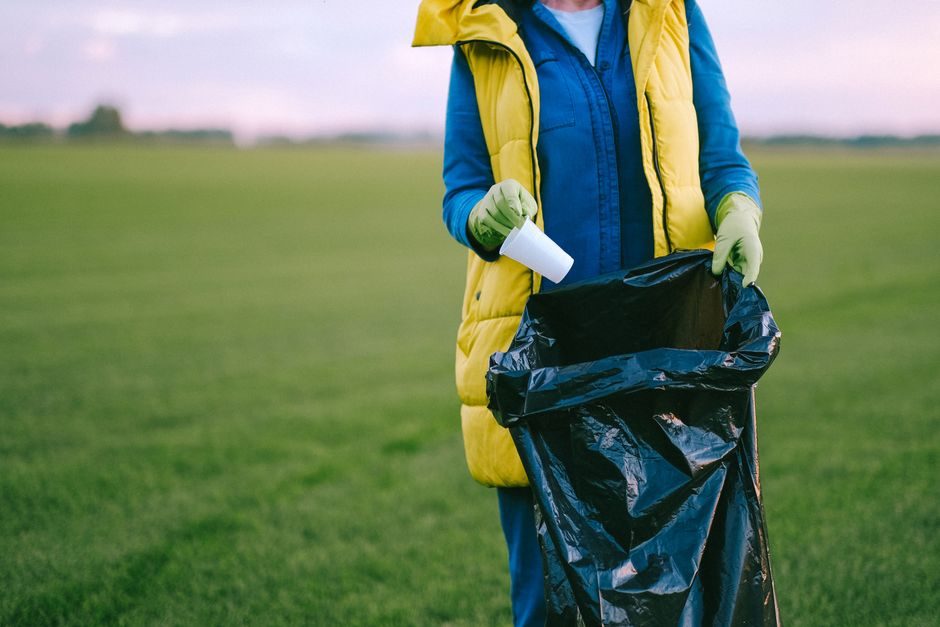
Neighborhood climate efforts
Organize a local clothing swap to extend garment lifetimes and reduce textile waste. This builds community while cutting down on new purchases. Include repair stations to teach basic mending skills.
Support local makers who use upcycled materials for fashion or accessories, which strengthens regional economies and reduces transport emissions. Attend pop-ups that prioritize recycled or reclaimed fabrics to see practical alternatives.
Volunteer with city planning groups to map climate-friendly fashion infrastructure, such as garment repair hubs or neighborhood recycling drop-offs. Small actions add up to meaningful shifts in behavior.
- Clothing swap
- Repair workshops
- Support local upcycling
- Volunteer for climate-friendly infrastructure
Frequently asked questions
What is the latest on climate change and fashion?The overall picture emphasizes that the climate conversation now stresses resilience and responsibility within wardrobes. Shifts in seasons affect fabric performance, while care routines determine how long clothing lasts. Readers should prioritize durable materials, repairability, and mindful consumption to lessen fashion’s environmental impact.
How can I make my closet more climate-friendly?Start with a closet audit, identify pieces to repair or remix, and limit new purchases to essentials. Favor high-quality fabrics, tough stitching, and versatile designs that suit multiple occasions. Pair this with a simple care routine to extend life and reduce waste.
What role do brands have in this plan?Brands gain influence when they disclose sourcing practices and offer repair or take-back programs. Support labels that provide transparent information and practical end-of-life options, which makes responsible fashion choices easier for readers.
Is there a quick win for busy readers?Yes. Choose a single item you will repair or resell this month, set a reminder to address minor upkeep, and rotate one existing piece into a new look rather than buying something new.
Conclusion: Next steps for a fashion-forward climate mindset
Take stock of what you own and identify items suitable for repair, resale, or repurposing. Establish a simple calendar for seasonal care tasks and shop with intention, prioritizing durability over novelty.
Experiment with a mini wardrobe overhaul by keeping pieces you truly love and can wear across moods and events. This reduces clutter and lowers the pressure to buy more, while proving that style can remain strong with fewer pieces.
Track outcomes over two months and use insights to refine your approach for ongoing climate-minded fashion. The goal is steady, small improvements that compound over time.
Add WordPress Themes & Plugins as a preferred source on Google


